Contagem de Hemácias na Câmara de Neubauer | Hemoglobina | Reticulócitos
Summary
TLDRThis practical lesson guides viewers through the laboratory procedures for counting red blood cells using a Neubauer chamber, measuring hemoglobin levels, and evaluating reticulocytes. It details the materials, step-by-step dilution and pipetting techniques, microscope usage, and calculations including correction factors for cell counts. The session also explains hemoglobin analysis using a biochemical analyzer and demonstrates reticulocyte staining with brilliant cresyl blue, followed by preparation of blood smears and microscopic counting. Clear visual aids, examples, and formula explanations are provided to ensure accurate quantification, interpretation of results, and understanding of anemia evaluation and red blood cell regeneration.
Takeaways
- 😀 The first practical lesson covers the counting of red blood cells (hemácias) using a Neubauer chamber, hemoglobin testing, and reticulocyte analysis.
- 😀 The main tools used for counting red blood cells include a Neubauer chamber, micropipettors, and a test tube.
- 😀 A dilution of the blood sample with saline solution (1:200 ratio) is necessary before placing the sample in the Neubauer chamber.
- 😀 The blood sample should be homogenized by aspirating and dispensing the solution several times to ensure uniform distribution.
- 😀 Hematocrit counting in the Neubauer chamber is performed by counting red blood cells in a specific 5-square quadrant, including only those touching the triple line.
- 😀 The correction factor for counting is calculated based on the dilution method used and the height of the chamber.
- 😀 Hemoglobin levels are analyzed using a biochemical analyzer to measure the amount of hemoglobin in the blood sample, which is essential for evaluating anemia or polycythemia.
- 😀 Reticulocyte analysis is important for evaluating bone marrow function and anemia regeneration, and involves staining the reticulocytes with Brilliant Cresyl Blue.
- 😀 After staining, blood smears are prepared and analyzed under a microscope to count reticulocytes, with a specific formula used to calculate the absolute count.
- 😀 The reticulocyte count can help diagnose different types of anemia, and the results are compared with reference values to assess regeneration in the bone marrow.
- 😀 The script includes various demonstrations of techniques such as blood sample preparation, pipetting, homogenization, and microscopy for accurate results in hematology testing.
Q & A
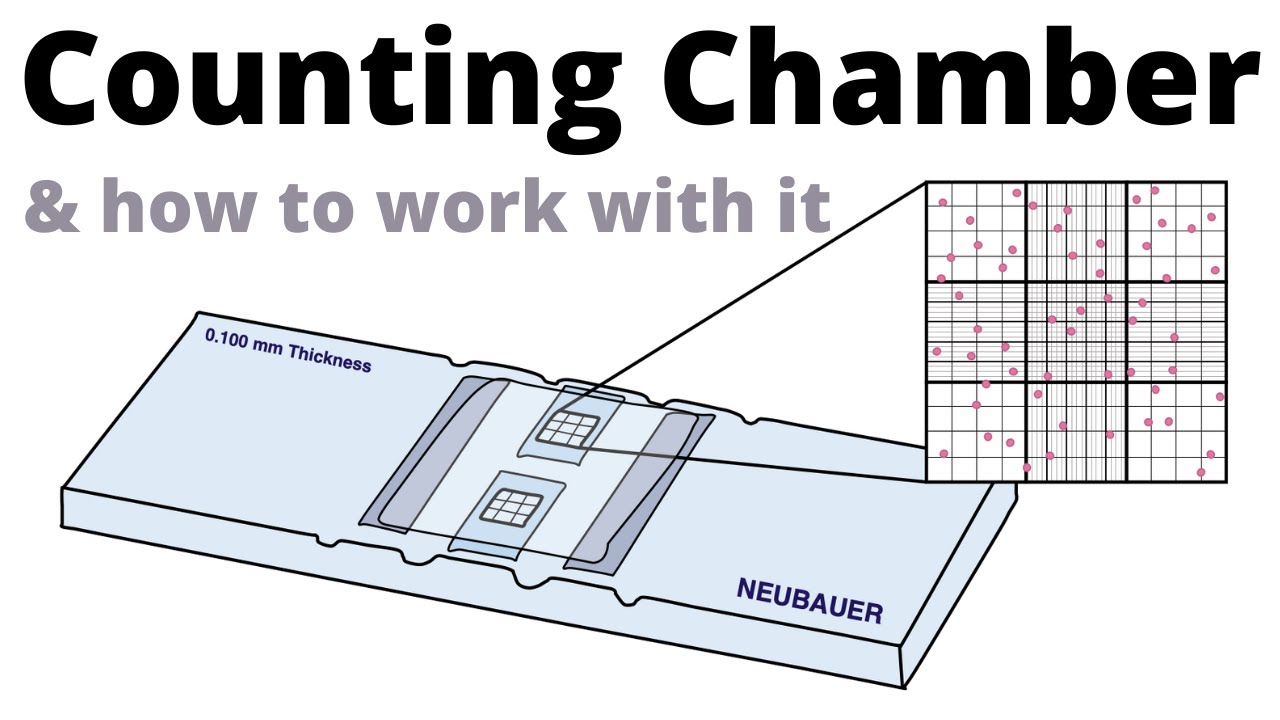
What is the purpose of using a Neubauer chamber in this practical class?
-The Neubauer chamber is used to manually count the total number of red blood cells (erythrocytes) in a blood sample, providing an important measure for evaluating blood composition.
Which materials are needed to perform a red blood cell count using the Neubauer chamber?
-The materials include a test tube, Neubauer chamber, physiological saline solution, micropipettes (10 µL and 1000 µL), a beaker for saline, a test tube rack, and a total blood sample with EDTA.
How is the blood sample diluted before being placed in the Neubauer chamber?
-Two milliliters of physiological saline solution are placed in a test tube, and then 10 µL of whole blood is added. The mixture is homogenized by gently aspirating and dispensing multiple times to ensure proper dilution.
How should the Neubauer chamber be prepared and fixed for counting?
-The sides of the chamber are moistened, and the coverslip is placed carefully to fix it. The chamber is then lightly tapped on the bench to ensure stability before filling it with the diluted blood sample.
What is the correct procedure for counting red blood cells in the Neubauer chamber?
-Five specific squares are counted: the four corner squares and the central square. Hemocytes on two sides of the lines are included, while those on the other sides are ignored. The total count is then multiplied by a correction factor to obtain the absolute number of red blood cells.
How is hemoglobin measured and what does it indicate?
-Hemoglobin is measured using a biochemical analyzer after lysing red blood cells with a reagent. It indicates the blood's capacity to transport oxygen and helps evaluate the severity of anemia or polycythemia, as well as monitor treatment response.
Which reagent is used to measure hemoglobin and how is it prepared?
-A hemolytic reagent is used. 2,500 µL of the reagent is placed in a test tube, and 10 µL of whole blood is added. The mixture is homogenized and left for 5 minutes to lyse the red blood cells before analysis.
What is the role of reticulocyte counting in blood analysis?
-Reticulocyte counting helps assess bone marrow function and the regenerative capacity of erythrocytes. It is particularly useful in evaluating the type and severity of anemia.
How are reticulocytes stained and prepared for microscopic examination?
-200 µL of whole blood is mixed with 20 µL of Brilliant Cresyl Blue stain in a test tube and homogenized. The sample is then incubated in a water bath at 37°C for 20 minutes, after which a blood smear is made on a microscope slide for examination.
How is the number of reticulocytes calculated?
-First, the number of fields to count is determined by dividing 1,000 by the number of red blood cells in one field. After counting reticulocytes in the required number of fields, the fraction is divided by 10 and then multiplied by the total number of red blood cells from the complete blood count to obtain the absolute reticulocyte count.
What are some common mistakes to avoid when counting cells in the Neubauer chamber?
-Common mistakes include overfilling the chamber, tilting it while under the microscope (which causes cells to move), not following the correct inclusion/exclusion rules for cells touching the lines, and failing to apply the correct dilution and correction factors.
Why is it important to homogenize blood samples properly during these procedures?
-Proper homogenization ensures even distribution of cells or stain, which prevents inaccurate counts and ensures reliable measurement of hemoglobin, red blood cells, and reticulocytes.
Outlines

Esta sección está disponible solo para usuarios con suscripción. Por favor, mejora tu plan para acceder a esta parte.
Mejorar ahoraMindmap

Esta sección está disponible solo para usuarios con suscripción. Por favor, mejora tu plan para acceder a esta parte.
Mejorar ahoraKeywords

Esta sección está disponible solo para usuarios con suscripción. Por favor, mejora tu plan para acceder a esta parte.
Mejorar ahoraHighlights

Esta sección está disponible solo para usuarios con suscripción. Por favor, mejora tu plan para acceder a esta parte.
Mejorar ahoraTranscripts

Esta sección está disponible solo para usuarios con suscripción. Por favor, mejora tu plan para acceder a esta parte.
Mejorar ahoraVer Más Videos Relacionados
Anaemia (anemia) - classification (microcytic, normocytic and macrocytic) and pathophysiology
How to count cells with the Neubauer Counting Chamber

What is Hemoglobin - How to improve ? | By Dr. Bimal Chhajer | Saaol

Exame de reticulócitos: para que serve e como é feito? Entenda de uma vez por todas!
CRISPR gene-editing treatment for sickle cell disease explained

Hemoglobin
5.0 / 5 (0 votes)

