Le Moyen-Âge pour les enfants - 5 Choses que tu devrais savoir - L'histoire pour les enfants
Summary
TLDRThe Middle Ages, spanning from the fall of the Roman Empire in 476 AD to the discovery of America in 1492, was a period of significant historical change. Society was dominated by feudalism, with kings, nobles, and clergy at the top, while peasants worked the land. The era was marked by knights, castles, and guilds, with key divisions between the Early and Late Middle Ages. Agricultural and economic production evolved, leading to the growth of towns and trade. The video explores these key aspects, offering an engaging look into life during this complex period of history.
Takeaways
- 😀 The Middle Ages lasted for nearly 1000 years, from the fall of the Roman Empire in 476 to the discovery of America in 1492.
- 😀 The fall of the Roman Empire led to the division of Europe into smaller territories, many ruled by monarchies.
- 😀 Feudalism governed society, with a hierarchy where kings were at the top, followed by the nobility and clergy, and peasants at the bottom.
- 😀 Nobles held power over vassals and peasants, providing them protection in exchange for loyalty and military support.
- 😀 The Middle Ages are divided into two periods: the High Middle Ages (5th-10th century) and the Late Middle Ages (11th-15th century).
- 😀 In the High Middle Ages, the nobility and clergy held significant power, while in the Late Middle Ages, monarchies grew stronger.
- 😀 The economy in the High Middle Ages was based on subsistence farming, while in the Late Middle Ages, production increased, and trade revived.
- 😀 Castles were built for defense, usually located in elevated areas for better visibility and protection.
- 😀 Knights were a key figure in the Middle Ages, trained in combat and serving as protectors of kings and nobles, participating in wars and tournaments.
- 😀 Medieval markets were hubs for trading food, spices, textiles, and other goods, with peasants selling products from the countryside and artisans selling handmade objects.
- 😀 Artisans formed guilds to organize their work, with examples including blacksmiths, bakers, and stonemasons.
Q & A
What marks the beginning and end of the Middle Ages?
-The Middle Ages began with the fall of the Roman Empire in 476 AD and ended with the discovery of the Americas in 1492, which also marks the fall of the Byzantine Empire and the invention of the printing press.
How was Europe divided after the fall of the Roman Empire?
-After the fall of the Roman Empire, Europe was divided into many territories, most of which were governed by monarchies where kings held the power.
What is feudalism, and how did it work in the Middle Ages?
-Feudalism was a social and economic system where the king granted land to nobles in exchange for loyalty and defense during wars. The nobles ruled over vassals and peasants who lived and worked on their lands, offering protection in return for labor and goods.
How was medieval society structured?
-Medieval society was structured like a pyramid. At the top were the kings, followed by the clergy and nobility. The nobles held land and power over vassals and peasants, who worked the land and received protection in return.
What were the two main periods of the Middle Ages?
-The Middle Ages is divided into two periods: the Early Middle Ages (5th to 10th centuries) and the Late Middle Ages (11th to 15th centuries). The Early Middle Ages were marked by the dominance of nobles and the clergy, while the Late Middle Ages saw the strengthening of monarchies.
What changes occurred in agriculture and trade between the Early and Late Middle Ages?
-In the Early Middle Ages, agriculture and livestock farming were primarily for subsistence, just covering basic needs. However, by the Late Middle Ages, production increased, and trade became more active, leading to economic growth.
How did cities evolve during the Late Middle Ages?
-In the Late Middle Ages, cities began to emerge as new economic centers, replacing the feudal estates as the hubs of commerce and trade.
What role did knights play in medieval society?
-Knights were crucial figures in defending kings and nobles. They were well-trained in combat and weapons, wore heavy armor, and participated in tournaments. Many knights also belonged to the noble class.
What were castles, and why were they built in specific locations?
-Castles were large fortified buildings built in elevated, easily defendable locations. They were designed for protection and to give rulers a strategic vantage point over surrounding territories.
What kind of goods were traded in medieval markets?
-Medieval markets were bustling with the trade of food, cereals, spices, textiles, jewelry, and animals. Farmers sold products from the countryside, and artisans sold handmade items.
What were guilds in the Middle Ages?
-Guilds were associations formed by artisans who practiced the same craft. They helped regulate trades such as blacksmithing, baking, and stone cutting, ensuring quality and fair competition among members.
Outlines

Esta sección está disponible solo para usuarios con suscripción. Por favor, mejora tu plan para acceder a esta parte.
Mejorar ahoraMindmap

Esta sección está disponible solo para usuarios con suscripción. Por favor, mejora tu plan para acceder a esta parte.
Mejorar ahoraKeywords

Esta sección está disponible solo para usuarios con suscripción. Por favor, mejora tu plan para acceder a esta parte.
Mejorar ahoraHighlights

Esta sección está disponible solo para usuarios con suscripción. Por favor, mejora tu plan para acceder a esta parte.
Mejorar ahoraTranscripts

Esta sección está disponible solo para usuarios con suscripción. Por favor, mejora tu plan para acceder a esta parte.
Mejorar ahoraVer Más Videos Relacionados

Storia2_UD 0: Il Medioevo (ripasso)

The Middle Ages for kids - 5 things you should know - History for Kids (Updated Version)

Overview of the Middle Ages | World History | Khan Academy
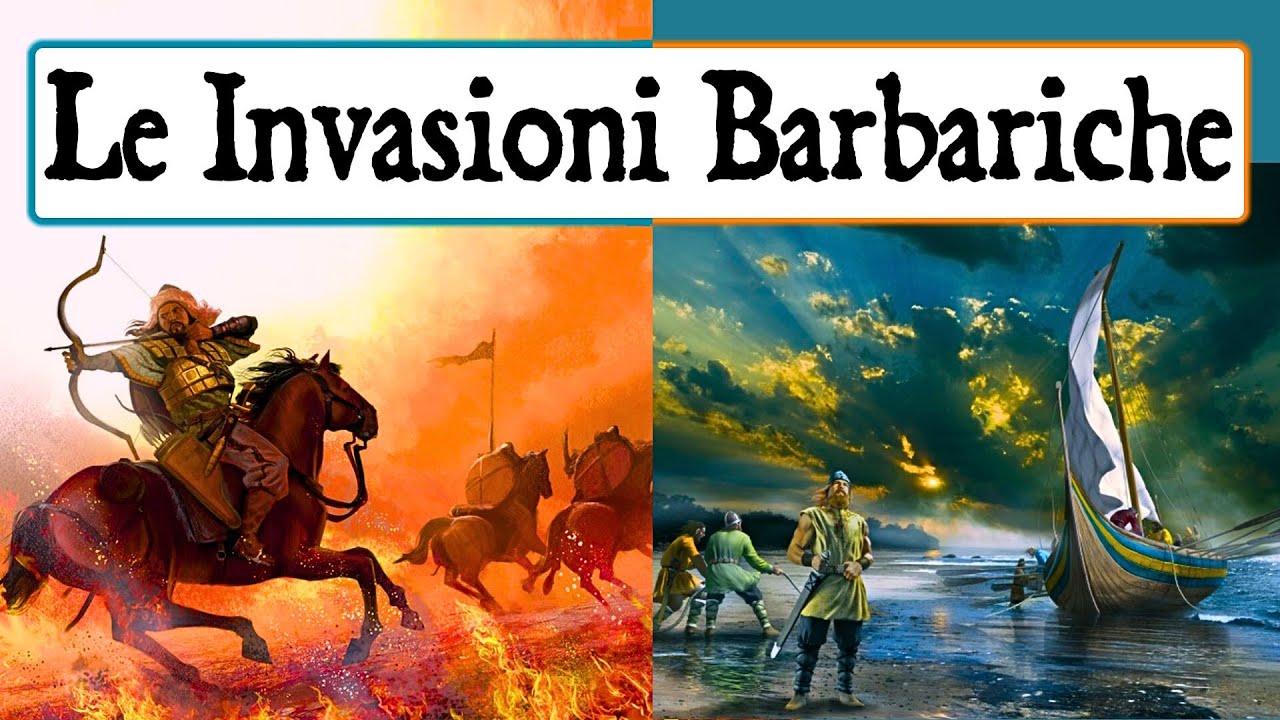
🔥⚔ Le INVASIONI BARBARICHE e la CADUTA dell'IMPERO ROMANO d'OCCIDENTE ⚔🔥 Chi erano i BARBARI? 🧔🏼👨🏼🦰

Medieval Art History Overview from Phil Hansen

Idade média
5.0 / 5 (0 votes)

