🔴 ARQUITECTURA CLIENTE SERVIDOR | 🌎 ¿Cómo FUNCIONA LA WEB? | ✅ PROGRAMACIÓN WEB + HTML + CSS 2022
Summary
TLDRIn this video, Luisina introduces viewers to the basics of web development, focusing on how the web works, the client-server architecture, and the role of protocols like HTTP and HTTPS. She explains how browsers, as clients, send requests to servers for web resources and highlights the importance of secure communication with HTTPS. The video also covers URL structure, including domains, subdomains, and file paths. Luisina encourages viewers to engage by liking, subscribing, and leaving comments to help grow the channel as they explore web technologies like HTML, CSS, and Spring Boot.
Takeaways
- 😀 Introduction to web development: The video focuses on explaining the basics of how the web works, including HTML, CSS, and web development courses like Spring Boot.
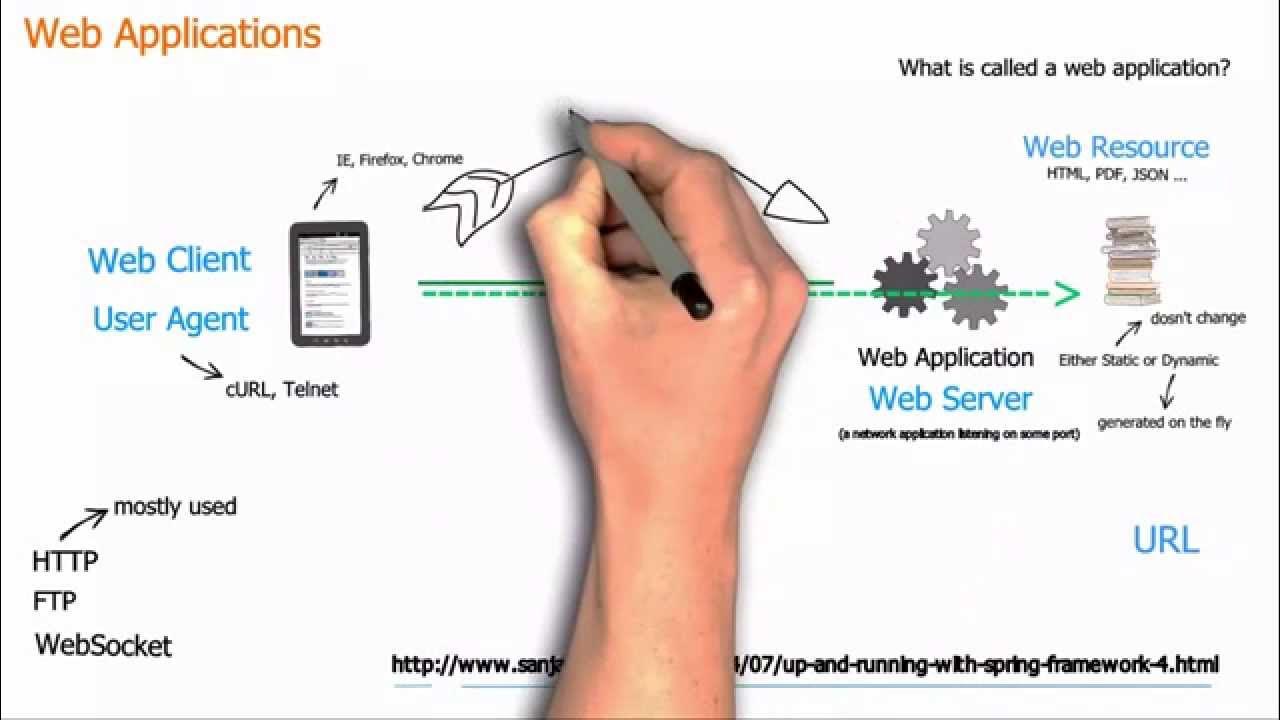
- 😀 Client-server architecture: Web communication happens through client-server interaction, where the client (e.g., a browser) makes requests to the server, which processes them and returns a response.
- 😀 HTTP vs HTTPS: HTTP is the basic protocol for web communication, while HTTPS is a secure version of HTTP that encrypts data with an SSL certificate.
- 😀 What is a URL?: A URL (Uniform Resource Locator) is a unique address for resources on the web. It specifies the protocol, domain, and resource location on the server.
- 😀 Components of a URL: The URL consists of the protocol (HTTP or HTTPS), subdomain (e.g., www), domain name (e.g., google.com), domain extension (e.g., .com, .net), and path (e.g., /courses).
- 😀 Importance of HTTPS: Websites must use HTTPS for secure communication, ensuring that data between the client and server is encrypted and protected.
- 😀 The role of a web browser: Web browsers like Mozilla Firefox, Chrome, and Safari act as clients that make requests to web servers for specific resources.
- 😀 Backend vs frontend: The video touches on the difference between frontend (client-side) and backend (server-side) development and mentions how browsers and web servers interact.
- 😀 Services in a client-server model: The client-server architecture supports various services like web services, database services, and application services.
- 😀 Web development courses upcoming: The video mentions upcoming courses on web development, including HTML, CSS, JavaScript, and Spring Boot, available through the creator's academy.
Q & A
What is the primary goal of this video?
-The primary goal of the video is to introduce viewers to how the web works, particularly focusing on web development concepts such as HTML, CSS, and server-client architecture, as well as the difference between frontend and backend development.
What is the client-server architecture mentioned in the video?
-The client-server architecture is a model where a client (usually a browser or computer) sends requests to a server (another computer or application) that processes those requests and sends back responses. This architecture is fundamental to web interactions.
What is the HTTP protocol and why is it important?
-HTTP (HyperText Transfer Protocol) is the protocol used for transferring requests and responses between a client (e.g., a web browser) and a server. It’s crucial because it defines how data is exchanged on the web.
What is the difference between HTTP and HTTPS?
-HTTP is the standard protocol for web communication, but it lacks security. HTTPS is a more secure version that uses SSL/TLS encryption to protect data during transmission, ensuring privacy and integrity of the information exchanged.
What does URL stand for and what is its purpose?
-URL stands for Uniform Resource Locator. It is a unique address used to locate resources on the internet, such as web pages. A URL specifies the protocol, domain, and the path to a specific resource.
Why is HTTPS important for web applications?
-HTTPS is important because it ensures that the communication between the client and the server is encrypted, protecting the data from being intercepted by malicious actors. It is especially critical for web applications handling sensitive information.
What is the role of a domain name in a URL?
-The domain name is part of the URL and represents the unique address of a website. It is typically followed by a top-level domain (TLD) like .com, .net, or .org, and helps users easily access web resources.
What are some common examples of web browsers mentioned in the video?
-The video mentions popular web browsers such as Mozilla Firefox, Chrome, Opera, and Safari. These browsers act as the client in the client-server architecture.
What are the main components of a URL?
-A URL is composed of several parts: the protocol (e.g., HTTP or HTTPS), the subdomain (e.g., www), the domain name (e.g., google.com), the TLD (e.g., .com), and the path to a specific resource (e.g., /courses).
How do URLs link to specific resources on the web?
-Each URL corresponds to a unique resource on the web, such as a webpage or a file. When a client (like a browser) requests a URL, the server processes that request and sends back the corresponding resource, whether it's a webpage, an image, or another type of content.
Outlines

Esta sección está disponible solo para usuarios con suscripción. Por favor, mejora tu plan para acceder a esta parte.
Mejorar ahoraMindmap

Esta sección está disponible solo para usuarios con suscripción. Por favor, mejora tu plan para acceder a esta parte.
Mejorar ahoraKeywords

Esta sección está disponible solo para usuarios con suscripción. Por favor, mejora tu plan para acceder a esta parte.
Mejorar ahoraHighlights

Esta sección está disponible solo para usuarios con suscripción. Por favor, mejora tu plan para acceder a esta parte.
Mejorar ahoraTranscripts

Esta sección está disponible solo para usuarios con suscripción. Por favor, mejora tu plan para acceder a esta parte.
Mejorar ahora


5.0 / 5 (0 votes)

