AKM Awal 3 Pendudukan Jepang Di Indonesia
Summary
TLDRIn March 1942, Japan established a military government in Indonesia, with Lieutenant General Hitoshi Imamura as the head. The government aimed to socialize Japanese policies to the Indonesian people, forming movements like the 3A to promote Japan's vision for Asia. Despite attempts to win Indonesian support, the movement faced little success. Japan also freed nationalist leaders like Soekarno and Hatta, hoping to secure collaboration. Throughout 1943, Japan pushed for a system of total resistance with military organizations like Seinendan and Keibodan, which trained youth and provided security. These efforts were part of Japan's broader strategy to maintain control during WWII.
Takeaways
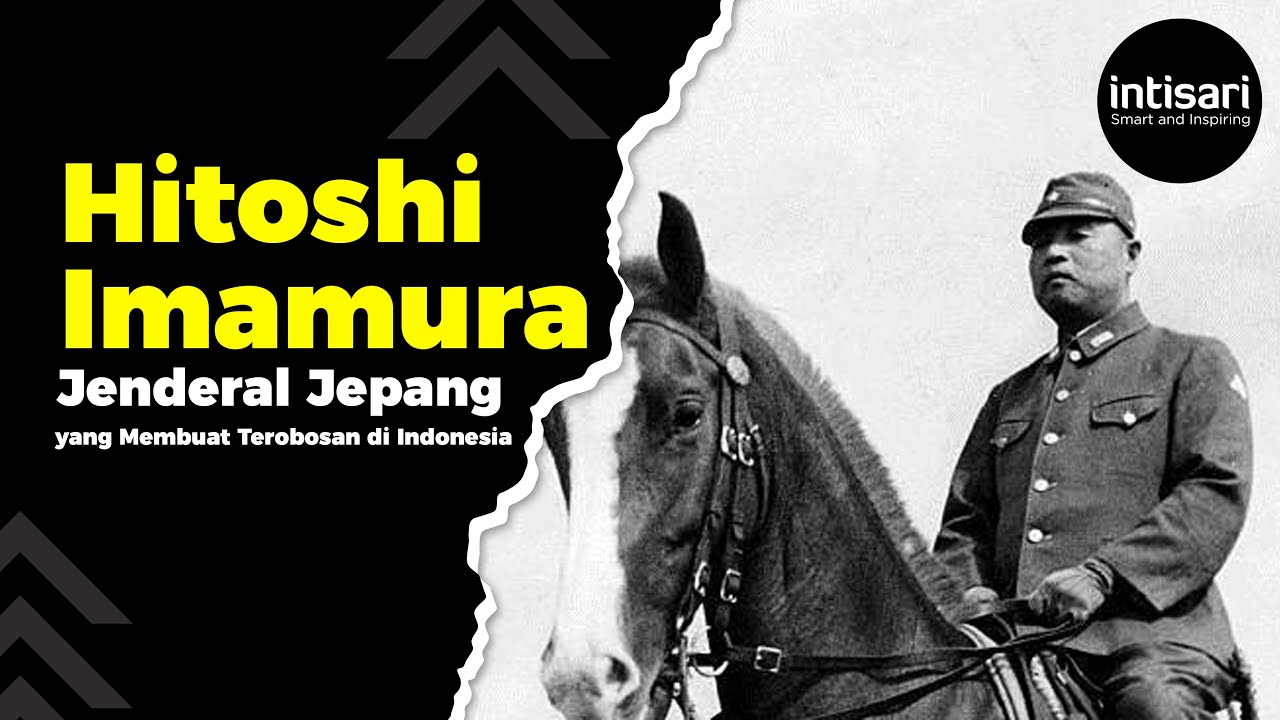
- 😀 In March 1942, Japan established a military government in Indonesia, with Lieutenant General Hitoshi Imamura as the highest leader and military commander.
- 😀 The Japanese military government in Indonesia was structured with five departments: General Affairs, Finance, Industry and Crafts, Traffic, and Justice.
- 😀 The government aimed to implement Japan's policies to the Indonesian people through these departments.
- 😀 Japan attempted to win over the Indonesian people with propaganda movements, such as the 3A movement created on April 29, 1942, promoting slogans like 'Japan leads Asia,' 'Japan protects Asia,' and 'Japan is the light of Asia.'
- 😀 The 3A movement was intended to gain Indonesian support for Japan's ambitions in the Greater East Asia Co-Prosperity Sphere but failed to capture much attention from the public.
- 😀 In July 1942, Japan released prominent nationalist figures like Sukarno and Mohammad Hatta to win the Indonesian people's favor.
- 😀 The cooperation between Sukarno, Hatta, and Japan during World War II was more of a high-level theatrical performance, with both sides strategically maneuvering amidst the war.
- 😀 In August 1942, Japan formed the Sendenbu department of propaganda to promote support for the Japanese war efforts and spread their message across Indonesia.
- 😀 Japan also recruited indigenous youth to strengthen its defenses against Allied forces in Indonesia through various military and semi-military organizations.
- 😀 In early 1943, Japan intensified its propaganda efforts, promoting a universal resistance system and military discipline among the Indonesian youth, leading to the formation of organizations like Seinendan and Keibodan.
- 😀 The Seinendan (Youth Corps) focused on community development, physical and mental training, and skill-building, while Keibodan functioned as a local security organization under Japan's police force, similar to modern-day neighborhood watch programs.
Q & A
What was the role of the Japanese military government in Indonesia in March 1942?
-In March 1942, Japan formed a military government in Indonesia, with Lieutenant General Hitoshi Imamura serving as the supreme commander. The government aimed to implement Japanese policies and oversee the island's administration through five key departments.
What were the five departments under the Japanese military government in Indonesia?
-The five departments were: 1) General Affairs, 2) Finance, 3) Industry and Handicrafts, 4) Transportation, and 5) Judiciary.
What was the purpose of the 3A movement established in April 1942?
-The 3A movement, created on April 29, 1942, was a Japanese propaganda campaign aimed at winning the sympathy of the Indonesian people. Its slogan promoted Japan as the 'leader,' 'protector,' and 'light' of Asia, encouraging support for Japan’s domination of the Greater East Asia region.
Why did the 3A movement fail to gain significant support from the Indonesian people?
-The 3A movement failed to gain much support because it was seen as a mere propaganda tool of the Japanese Empire, and the Indonesian population remained skeptical of Japan's true intentions.
What significant action did Japan take in July 1942 regarding Indonesian nationalist leaders?
-In July 1942, Japan freed Indonesian nationalist leaders, such as Sukarno and Mohammad Hatta, from Dutch colonial imprisonment. This move was aimed at gaining favor and cooperation from Indonesian political figures.
What was the nature of the collaboration between Sukarno, Hatta, and Japan?
-The collaboration between Sukarno and Hatta with Japan was largely a strategic one. Both sides played dangerous political games in the midst of World War II, and the cooperation was seen as a form of pragmatism rather than genuine alliance.
What was the role of the Japanese Propaganda Department (Sendenbu) formed in August 1942?
-The Sendenbu (Propaganda Department) was tasked with spreading Japanese propaganda throughout Indonesia, urging the people to support Japan’s war efforts. It operated from the central government to local levels, aiming to present Japan’s war as a 'holy war' for prosperity in Asia.
What steps did Japan take to recruit the Indonesian youth during the war?
-Japan began recruiting Indonesian youth in early 1943 to strengthen their defense against Allied forces. This included forming youth-based military and semi-military organizations, such as the Seinendan and Keibodan, aimed at training and involving young Indonesians in the war effort.
What were the functions of the Seinendan and Keibodan organizations created by Japan in 1943?
-The Seinendan was focused on youth development, providing community training, physical and mental discipline, and skill-building. The Keibodan, on the other hand, functioned as a village security force, similar to modern-day neighborhood watch programs, and operated under Japan’s police department.
What was the primary task of the Keibodan organization during its early stages?
-The primary task of the Keibodan was to maintain security in the villages and act as an extension of the Japanese police force. They were trained in basic policing skills, including physical exercises, drills, and even combat techniques using bamboo spears.
What was the Heiho, and when was it established?
-The Heiho was a volunteer force created by the Japanese military in Indonesia, formed in September 1942. It consisted of auxiliary troops who assisted the Japanese army during their operations in Indonesia.
Outlines

Esta sección está disponible solo para usuarios con suscripción. Por favor, mejora tu plan para acceder a esta parte.
Mejorar ahoraMindmap

Esta sección está disponible solo para usuarios con suscripción. Por favor, mejora tu plan para acceder a esta parte.
Mejorar ahoraKeywords

Esta sección está disponible solo para usuarios con suscripción. Por favor, mejora tu plan para acceder a esta parte.
Mejorar ahoraHighlights

Esta sección está disponible solo para usuarios con suscripción. Por favor, mejora tu plan para acceder a esta parte.
Mejorar ahoraTranscripts

Esta sección está disponible solo para usuarios con suscripción. Por favor, mejora tu plan para acceder a esta parte.
Mejorar ahoraVer Más Videos Relacionados
Hitoshi Imamura, Jenderal Jepang yang Berbeda dari yang Lain - Sejarah Indonesia

Masuknya Jepang Ke Indonesia Dan Jatuhnya Hindia Belanda | Sejarah

sejarah Gerakan 3A||Propaganda Jepang #NTPerjalanan #jepang #jamandahulu
Bagaimana Strategi Jepang Menguasai Indonesia? Part 2
Tahun 1942, Belanda dan Sekutu Menyerah kepada Jepang di Hindia-Belanda (Indonesia)

Alasan Jepang Disambut Baik Di Indonesia
5.0 / 5 (0 votes)

