If I Started Running In 2026, I’d Do This
Summary
TLDRThis comprehensive guide breaks down the science of running faster and longer, covering biomechanics, physiology, training strategies, nutrition, recovery, and gear. Nicholas, a sport scientist and former professional triathlete, explains how to optimize running form, build consistent habits, structure training with zones and periodization, and improve running economy through strength, plyometrics, and endurance work. He provides precise guidance on fueling, hydration, protein intake, and supplements, while emphasizing the importance of rest and gradual progression. The video also highlights which gear and technologies genuinely enhance performance, offering a complete, research-backed roadmap to help runners of all levels maximize speed, endurance, and efficiency safely.
Takeaways
- 🏃 Biomechanics matters, but it only explains 5–12% of running efficiency differences; focus on personal adjustments rather than chasing a 'perfect' form.
- 💪 Physiology and fitness account for the majority of improvement; consistency in training is the foundation for progress.
- 🌀 Habit-building for running can be structured as a loop: Cue → Craving → Response → Reward, making consistency easier to achieve.
- 📊 Training zones simplify intensity into three categories: Zone 1 (easy), Zone 2 (moderate), Zone 3 (hard), with heart rate as a rough guide.
- 📈 Training intensity distribution and periodization help optimize results: Base (distance), Build (intensity), Peak (race-specific), Taper (recovery).
- ⚡ Effective workouts include VO2 max intervals, short sprints or hill sprints, tempo runs, and long easy runs to build endurance, speed, and efficiency.
- 🏋️♂️ Running economy can be improved with strength training, plyometrics, sprint/HIIT work, altitude training, long-term volume, and minor supplements like beetroot juice and caffeine.
- 🥗 Nutrition is crucial: Carbs fuel performance, protein supports recovery (spread throughout the day), fats maintain long-term health, and hydration with electrolytes is essential.
- ⏱️ Meal timing matters: Pre-run (2–3 hours prior) carbs and protein, during long runs 30–90g carbs/hour, post-run carbs + protein + electrolytes for recovery.
- 👟 Gear can help, but selectively: Carbon-plated shoes improve running economy, heart rate monitors help pacing, and lactate devices are optional if properly used.
- 🛌 Rest and recovery are vital: Overtraining and RED-S risk injury and poor performance; rest days must complement training intensity and volume.
- ⚠️ Supplements should be evidence-based: Caffeine and nitrates improve performance, creatine aids recovery and strength, while most other supplements have minimal effect.
Q & A
What are the three main ways to run faster according to the video?
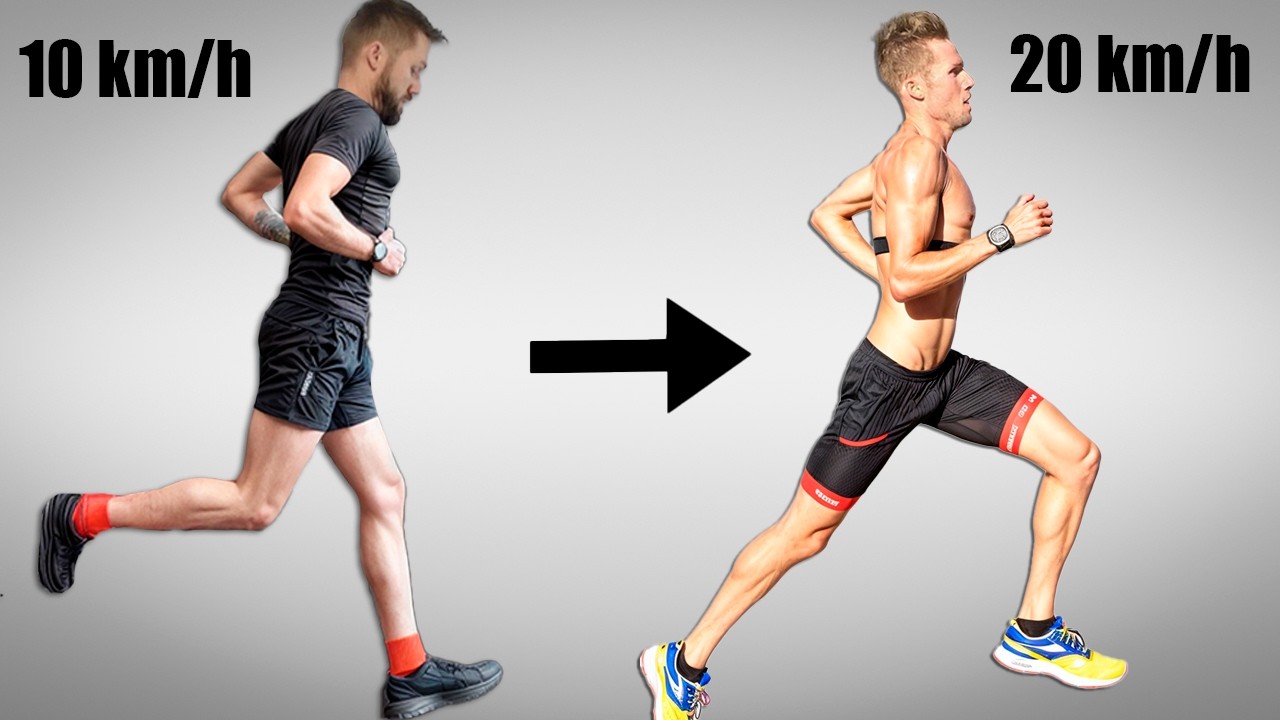
-You can run faster by taking more steps, taking longer steps, or combining both approaches. Improving these involves focusing on biomechanics and physiology.
Does everyone have a 'perfect' running form that works best for them?
-No. Biomechanics affects running efficiency by about 5–12%, but no single running form is optimal for everyone. Your natural form may not automatically be the most efficient.
What is the most important focus for new runners or those running less than 20 km per week?
-Consistency and gradual progression are most important. Establishing a running habit is key before focusing on advanced training strategies.
How can runners build consistency in their training?
-Using the habit loop: Cue → Craving → Response → Reward. Example: Lay out shoes (Cue), desire fitness/stress relief (Craving), run (Response), track miles or enjoy a small treat (Reward).
What are the three main training zones and how are they determined?
-Zone 1: Easy, below first lactate threshold (LT1). Zone 2: Medium, between LT1 and LT2. Zone 3: Hard, above second lactate threshold (LT2). Heart rate can be used as an approximate guide: <70%, 70–90%, >90% of max HR.
What is periodization and why is it important in training?
-Periodization is the planning of training in phases to gradually increase volume, intensity, and specificity, helping avoid injury and maximize performance. Typical phases include Base, Build, Peak, and Taper.
What are the key workouts to include in a running plan to improve endurance, speed, and efficiency?
-Five main workouts: 1) VO2 max intervals (e.g., 4×4 min at 95% effort), 2) Short or hill sprints (~10 sec), 3) Tempo runs at challenging pace (LT1–LT2), 4) Long, easy runs, 5) Strength and plyometric training for running economy.
How can running economy be improved?
-Six ways: 1) Heavy resistance training, 2) Plyometric training, 3) Sprint/HIIT sessions, 4) Altitude training (2,000–3,000 m, ~12 hrs/day for 3 weeks), 5) Long-term endurance training, 6) Minor supplementation with beetroot/nitrates and caffeine.
What is the recommended carbohydrate intake for runners based on training intensity?
-Light days: 3–5 g/kg body weight; Moderate days: 5–7 g/kg; Heavy/race days: 8–12 g/kg. During runs: 30–60 g/hour for 60–150 min, 60–90 g/hour for >150 min.
Why are rest days and proper recovery important in running?
-Overtraining increases injury risk and hormonal imbalance. Proper rest prevents relative energy deficiency in sport (RED-S) and ensures training adaptations occur.
What role does gear play in improving running performance?
-Carbon plate shoes can improve running economy by about 4%. Heart rate monitors and foot pods can help with pacing, but excessive tracking may hinder performance. Use gear wisely.
What are the main hydration and electrolyte recommendations for runners?
-Daily water intake: 35–45 mL/kg. During exercise: 500–750 mL/hr depending on sweat rate. Sodium: 300–600 mg/hr; Potassium: 100–200 mg/hr, though most get enough from food. Sports drinks, electrolyte tabs, or coconut water are practical sources.
How should runners time their nutrition around workouts?
-Pre-run (2–3 hrs before): 1–4 g/kg carbs + 10–20 g protein, low fat. During runs >60 min: 30–90 g carbs/hr and small sodium/potassium. Post-run: 1–1.2 g/kg carbs + 20–40 g protein and rehydrate fully.
Outlines

Dieser Bereich ist nur für Premium-Benutzer verfügbar. Bitte führen Sie ein Upgrade durch, um auf diesen Abschnitt zuzugreifen.
Upgrade durchführenMindmap

Dieser Bereich ist nur für Premium-Benutzer verfügbar. Bitte führen Sie ein Upgrade durch, um auf diesen Abschnitt zuzugreifen.
Upgrade durchführenKeywords

Dieser Bereich ist nur für Premium-Benutzer verfügbar. Bitte führen Sie ein Upgrade durch, um auf diesen Abschnitt zuzugreifen.
Upgrade durchführenHighlights

Dieser Bereich ist nur für Premium-Benutzer verfügbar. Bitte führen Sie ein Upgrade durch, um auf diesen Abschnitt zuzugreifen.
Upgrade durchführenTranscripts

Dieser Bereich ist nur für Premium-Benutzer verfügbar. Bitte führen Sie ein Upgrade durch, um auf diesen Abschnitt zuzugreifen.
Upgrade durchführenWeitere ähnliche Videos ansehen
The Smartest Way To Run Faster For Longer (Science Explained)

The Smartest Way to Run a Faster 5K (Science Explained)

Ultimate Beginner's Guide to Running

COMMENT COURIR LONGTEMPS ?

3 OPÇÕES para QUEM QUER BAIXAR O PACE (SEM PLACA!) // PERGUNTAS DA SEMANA

The Secret to Riding Faster for Longer (Proven in 50 Days)
5.0 / 5 (0 votes)

