Styrofoam and your health
Summary
TLDRThis health alert highlights the hidden dangers of Styrofoam, or polystyrene, commonly used in cups, takeout containers, and food packaging. Beyond environmental concerns, Styrofoam can harm your health: it may disrupt hormones, damage DNA, and has been linked to certain cancers. Holistic expert Dr. Jane Dabou advises avoiding it entirely, especially with hot, oily, or acidic foods, and warns against microwaving it. Safer alternatives exist, and consumers can check for plastics labeled with a recycle number six to identify styrene-containing items. The segment emphasizes awareness and conscious choices to protect both health and the environment.
Takeaways
- ⚠️ The report warns that Styrofoam, also known as polystyrene foam, may pose potential health risks in addition to environmental concerns.
- ☕ Many people use Styrofoam products daily for coffee cups, takeout containers, and food storage.
- 🧬 A holistic doctor interviewed in the segment claims that chemicals in Styrofoam may disrupt hormones and damage genetic material.
- 🦠 The chemical styrene, found in polystyrene, is described as potentially carcinogenic and mutagenic.
- 📚 According to the National Toxicology Program mentioned in the report, styrene may leach into food and drinks from polystyrene containers.
- 🔥 Hot foods and beverages may increase the likelihood of chemicals leaching from Styrofoam containers.
- 🍅 Acidic, oily, and tomato-based foods are specifically highlighted as foods that should not be placed in Styrofoam containers.
- ☕ Coffee and alcoholic beverages are also mentioned as drinks that may interact negatively with Styrofoam.
- 📡 The report strongly advises against microwaving Styrofoam because heat may increase chemical release.
- 🏥 The segment connects prolonged exposure to styrene with studies that have correlated it to various cancers.
- ♻️ Consumers are encouraged to look for the recycling triangle with the number 6, which indicates the presence of polystyrene.
- 🌱 The report encourages people to seek safer alternatives to Styrofoam and become more conscious of the materials they use daily.
- 🏗️ Styrofoam was originally invented in the 1940s for building insulation before becoming widely used in food packaging.
- 💰 The script notes that Styrofoam is commonly used because it is inexpensive to manufacture and helps businesses reduce costs.
Q & A
What is Styrofoam and when was it invented?
-Styrofoam, properly known as polystyrene, is a material invented in the 1940s originally to insulate buildings.
Why is Styrofoam considered harmful to health?
-Styrofoam is harmful because it can leach styrene, a chemical that is mutagenic, disrupts the hormonal system, damages DNA, and has been correlated with various cancers.
Who in the transcript shared advice about avoiding Styrofoam, and what is their background?
-Dr. Jane Dabou from Lotus Acupuncture in Virginia Beach advised avoiding polystyrene foam completely due to its health risks.
What types of food and drinks should not be consumed in Styrofoam containers?
-Hot foods, oily foods, acidic foods like tomato-based or citrus foods, beverages such as coffee and alcohol, and anything microwaved should be avoided in Styrofoam containers.
How does Styrofoam affect the body on a genetic level?
-Styrofoam contains styrene, which is mutagenic, meaning it can alter the way DNA expresses itself, potentially causing long-term genetic damage.
Besides Styrofoam, where else can styrene be found?
-Styrene can also be found in some plastic containers. These can be identified by a recycling triangle with the number six inside.
Why is Styrofoam still widely used despite its risks?
-Styrofoam is cheap to produce, lightweight, and widely available, making it a common choice for packaging and containers despite its health and environmental risks.
What precautions can people take if they must use Styrofoam?
-People should avoid using it with hot, oily, or acidic foods and beverages, avoid microwaving it, and be conscious of finding safer alternatives.
How did Crystal Harper come to investigate Styrofoam’s health risks?
-After battling cancer herself, Crystal Harper researched ways to prevent its recurrence, which led her to discover the health risks associated with Styrofoam.
What is the environmental concern related to Styrofoam mentioned in the transcript?
-Styrofoam is widely known to be harmful to the environment because it does not biodegrade and persists for a very long time in ecosystems.
What general advice does Dr. Dabou give for avoiding Styrofoam in daily life?
-Dr. Dabou recommends being more conscious of available alternatives, reading labels, avoiding high-risk foods and beverages in Styrofoam, and using safer containers whenever possible.
Outlines

Dieser Bereich ist nur für Premium-Benutzer verfügbar. Bitte führen Sie ein Upgrade durch, um auf diesen Abschnitt zuzugreifen.
Upgrade durchführenMindmap

Dieser Bereich ist nur für Premium-Benutzer verfügbar. Bitte führen Sie ein Upgrade durch, um auf diesen Abschnitt zuzugreifen.
Upgrade durchführenKeywords

Dieser Bereich ist nur für Premium-Benutzer verfügbar. Bitte führen Sie ein Upgrade durch, um auf diesen Abschnitt zuzugreifen.
Upgrade durchführenHighlights

Dieser Bereich ist nur für Premium-Benutzer verfügbar. Bitte führen Sie ein Upgrade durch, um auf diesen Abschnitt zuzugreifen.
Upgrade durchführenTranscripts

Dieser Bereich ist nur für Premium-Benutzer verfügbar. Bitte führen Sie ein Upgrade durch, um auf diesen Abschnitt zuzugreifen.
Upgrade durchführenWeitere ähnliche Videos ansehen
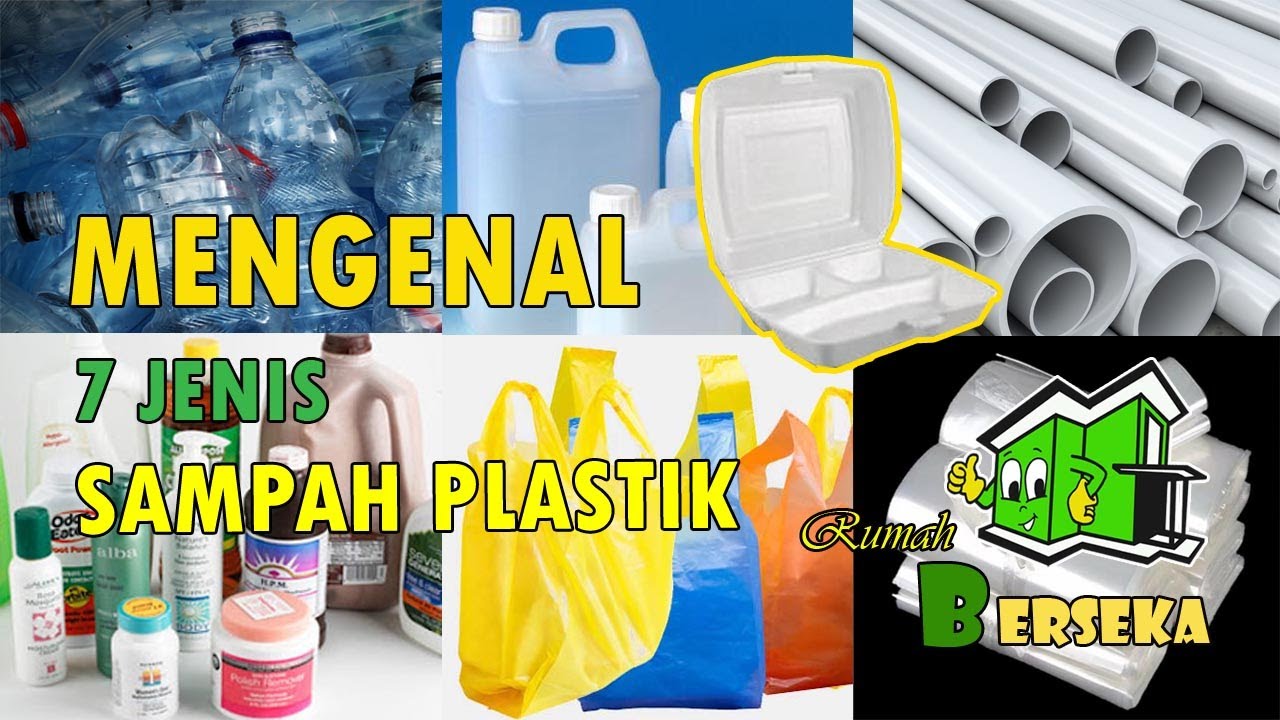
YUK ❗KENALI 7 JENIS SAMPAH PLASTIK | RUMAH BERSEKA
Kemasan Makanan Ini Berbahaya Untuk Tubuh!

O PERIGO OCULTO das VASILHAS DE PLÁSTICO

TERNYATA MIGRASI KEMASAN BERBAHAYA!!!!! YUK KENALI MIGRAN.. INTERAKSI KEMASAN PANGAN TICK PNJ
IBU WAJIB TAHU! Ini Dia Pembungkus Makanan Penyebab Kanker | Hidup Sehat tvOne

Mengenal Jenis-Jenis Kemasan Produk - Kemas Kemis Ep.4
5.0 / 5 (0 votes)

