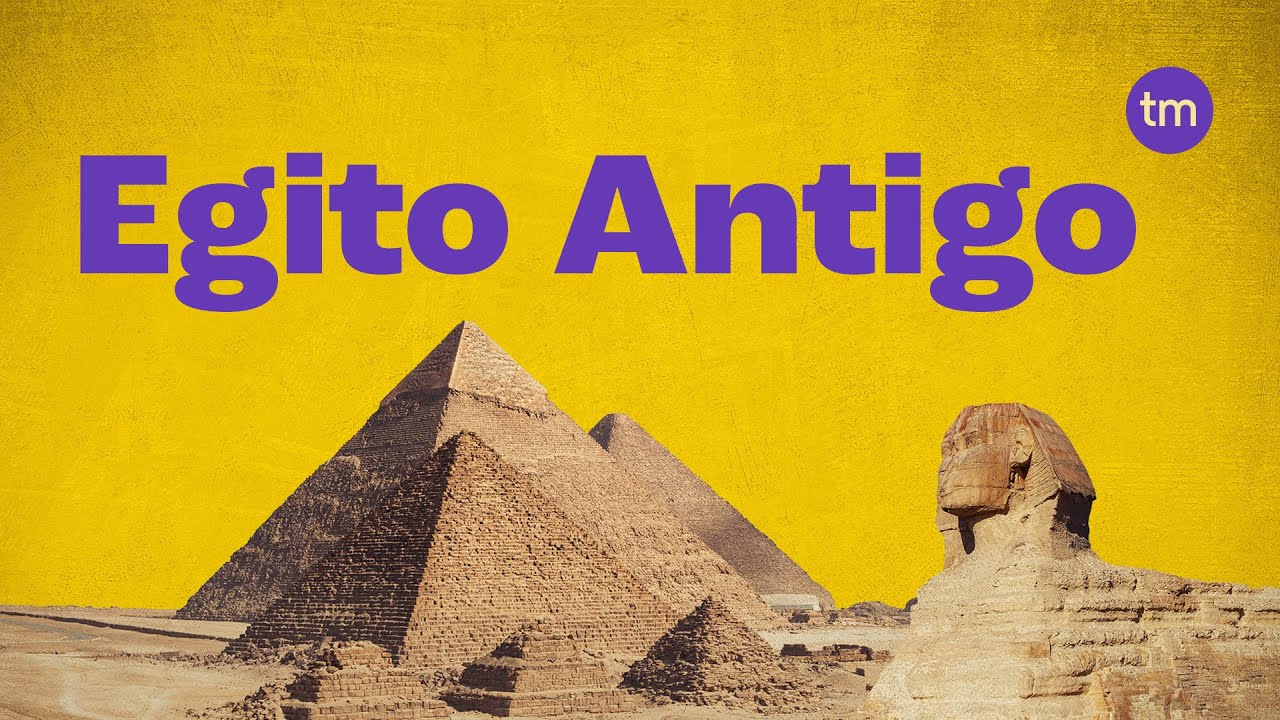
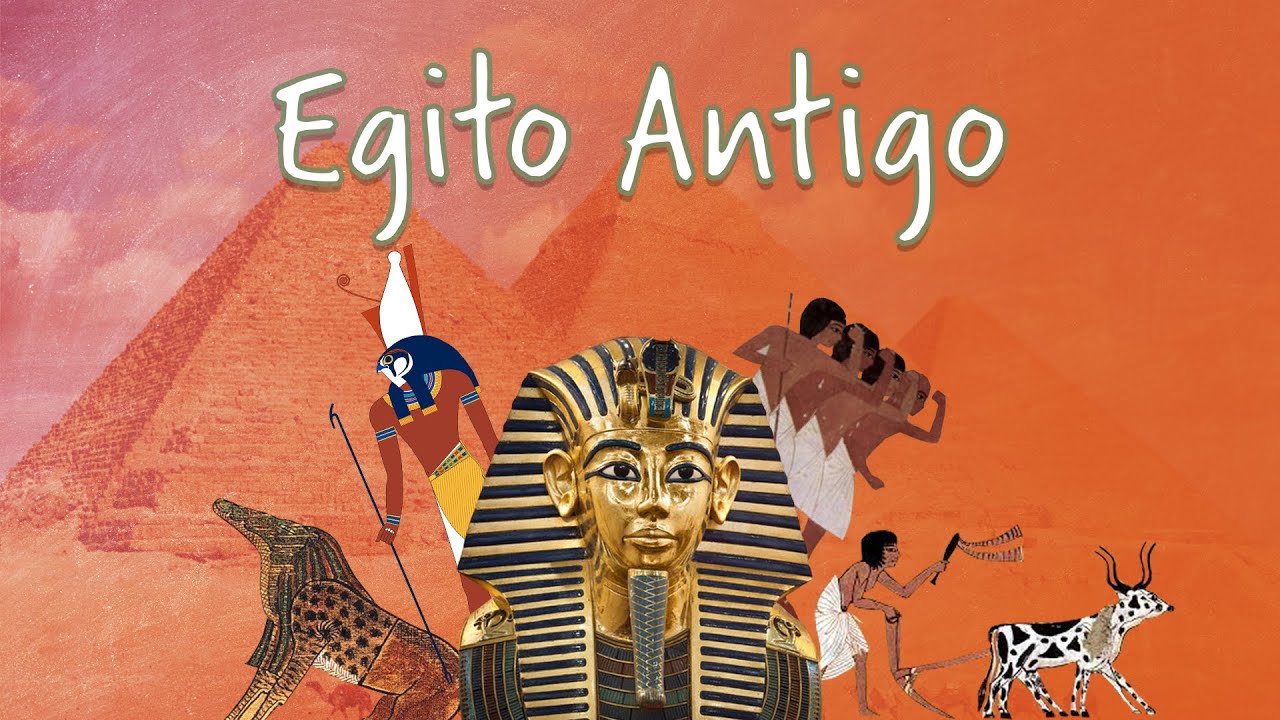
EGITO ANTIGO - O SURGIMENTO DE UM IMPÉRIO
Summary
TLDRThis video explores the origins and development of Ancient Egypt, from the stabilization of the Nile River around 10,000 years ago to the unification of Upper and Lower Egypt around 3100 BCE. It covers the emergence of agriculture, early settlements, and mini-kingdoms that eventually led to the rise of pharaohs as both political and religious leaders. The script explains the social hierarchy, the role of scribes, artisans, and merchants, and the importance of Nile-based agriculture, irrigation, and infrastructure. Viewers also learn about the introduction of writing, state organization, and the cultural and economic prosperity that shaped the early Egyptian empire.
Takeaways
- 🌊 The Nile River was crucial in the formation of ancient Egyptian civilization, providing fertile land for agriculture and enabling population settlement around 10,000 years ago.
- 🏞️ Early Egyptian settlements developed later than Mesopotamia, around 4000 BCE, with agriculture based primarily on cereals.
- 👑 Egypt was initially divided into two kingdoms: Upper Egypt in the south and Lower Egypt in the north, due to conflicts between small villages and regional rulers.
- ⚔️ Around 3100 BCE, the unification of Upper and Lower Egypt occurred, likely under King Narmer (also known as Menes), establishing the foundation of the Egyptian state.
- ✍️ The Egyptian writing system emerged shortly after unification, inspired by Mesopotamian cuneiform but adapted for use on papyrus and for religious purposes.
- 🕌 The Pharaoh became both the political and religious leader, considered a living god and the intermediary between the gods and humans.
- 🌾 State-controlled agriculture under the unified kingdom increased food production, economic stability, and enabled large-scale construction projects like irrigation canals.
- 📅 Ancient Egyptians developed a calendar to manage agricultural cycles, particularly tracking the Nile's flooding and dry periods, which later evolved into a standardized annual calendar.
- 🏗️ Social hierarchy was structured with the Pharaoh at the top, followed by nobles, priests, scribes, merchants, artisans, and farmers, while slaves were a minority.
- 🎨 Art, crafts, and writing were highly valued, offering social mobility for skilled individuals, whereas farmers formed the majority but had limited upward mobility.
- 🚤 River transportation and internal trade allowed Egypt to maintain cultural cohesion and self-sufficiency, limiting dependence on the outside world.
Q & A
When did the formation of the Egyptian civilization begin and what triggered it?
-The formation of Egyptian civilization began around 10,000 years ago, triggered by the stabilization of the Nile River due to climate changes, which created fertile land for semi-nomadic populations to settle and practice agriculture.
How does the timeline of Egyptian settlement compare to that of Mesopotamia?
-Egyptian settlements began around 4,000 BCE, which is later than Mesopotamia, where the first established settlements appeared around 5,000 BCE.
What were the two main regions of early Egypt, and how were they geographically positioned?
-Early Egypt consisted of two regions: Upper Egypt in the south, near the Nile's origin in modern-day Sudan, and Lower Egypt in the north, around the Nile Delta where it flows into the Mediterranean Sea.
Who were the key figures in the unification of Egypt, and when did it occur?
-The unification of Egypt occurred around 3,100 BCE, led by early rulers such as King Scorpion and King Narmer (possibly the same person as Menes), who unified Upper and Lower Egypt.
What was the significance of the unification of Egypt?
-The unification centralized political power, reduced conflicts among small kingdoms, facilitated agricultural organization, promoted economic prosperity, and established the basis for a cohesive Egyptian culture.
How did Egyptian writing develop and what influenced it?
-Egyptian writing, known as hieroglyphics, developed after contact with Mesopotamian civilizations. While inspired by cuneiform, it was adapted to the Egyptian papyrus and evolved into a unique writing system.
What role did the Pharaoh play in ancient Egyptian society?
-The Pharaoh was the central figure, considered a living god and both political and religious leader. He was the intermediary between the gods and humans and held the highest authority in the state.
How was Egyptian society structured under the Old Kingdom?
-Egyptian society was hierarchical: Pharaoh at the top, followed by royal family and nobles, then priests and military leaders, followed by scribes, merchants, and artisans, and at the bottom, farmers and slaves.
What role did agriculture play in the development of the Egyptian state?
-Agriculture was central to Egypt’s economy, enabling state-controlled irrigation, large-scale cereal production, stability, and planning through the use of calendars based on the Nile's flooding and dry periods.
How did public works and regional leaders contribute to Egyptian society?
-Regional leaders, called nomarchs, oversaw construction of canals, dikes, and other public works. These projects ensured efficient irrigation, boosted agriculture, and helped organize society under the centralized state.
Why were artisans, scribes, and merchants important in Egyptian society?
-Artisans, scribes, and merchants formed the middle class and were crucial for cultural, economic, and religious life. Scribes enabled administration and record-keeping, artisans preserved religious practices through art, and merchants facilitated trade.
What factors made the Egyptian civilization somewhat insular?
-The Nile’s abundance and efficient internal commerce made Egypt largely self-sufficient, which reduced reliance on external contacts and led to a more closed-off society compared to other contemporary civilizations.
Outlines

Dieser Bereich ist nur für Premium-Benutzer verfügbar. Bitte führen Sie ein Upgrade durch, um auf diesen Abschnitt zuzugreifen.
Upgrade durchführenMindmap

Dieser Bereich ist nur für Premium-Benutzer verfügbar. Bitte führen Sie ein Upgrade durch, um auf diesen Abschnitt zuzugreifen.
Upgrade durchführenKeywords

Dieser Bereich ist nur für Premium-Benutzer verfügbar. Bitte führen Sie ein Upgrade durch, um auf diesen Abschnitt zuzugreifen.
Upgrade durchführenHighlights

Dieser Bereich ist nur für Premium-Benutzer verfügbar. Bitte führen Sie ein Upgrade durch, um auf diesen Abschnitt zuzugreifen.
Upgrade durchführenTranscripts

Dieser Bereich ist nur für Premium-Benutzer verfügbar. Bitte führen Sie ein Upgrade durch, um auf diesen Abschnitt zuzugreifen.
Upgrade durchführen



5.0 / 5 (0 votes)

