Materi pelajaran prakarya kelas 7 semester 1 BAB lV Budi daya tanaman sayuran
Summary
TLDRThis video explores vegetable cultivation for 7th-grade students, covering types of vegetables categorized by edible parts, essential cultivation materials, and step-by-step planting techniques. It details seed selection, soil preparation, fertilization, watering, pest control, and harvesting, using kangkung (water spinach) as a practical example. Additionally, it introduces alternative hydroponic methods, explaining necessary equipment, nutrient solutions, and planting procedures. The content emphasizes proper planning, maintenance, and post-harvest care to maximize yield, offering both traditional and modern approaches to vegetable farming in a clear, educational, and engaging manner suitable for middle school learners.
Takeaways
- 🌱 Vegetables are plant-based foods high in water, fiber, vitamins, and minerals essential for the body.
- 🥬 Vegetables can be classified by the part of the plant used: leaves, stems, tubers, flowers, fruits, and stalks.
- 🌿 Common examples of vegetable types include pakcoy (leaves), lettuce (leaf stalks), onion (tuber), carrot (root), cauliflower (flower), tomato (fruit), and asparagus (stalk).
- 🌾 Successful vegetable cultivation requires proper inputs including seeds or seedlings, planting media, fertilizers, and pesticides.
- 🛠️ Essential tools for vegetable farming include garden forks, hoes, watering cans, and sprayers to facilitate soil preparation and plant care.
- 📋 Key stages in vegetable farming include planning, preparing tools and materials, seedling, soil preparation, planting, maintenance, and harvesting.
- 🌊 Example of conventional vegetable cultivation: planting water spinach (kangkung) with bed preparation, proper spacing, watering, weeding, fertilization, and pest control.
- ⏱️ Water spinach is ready to harvest at 27–30 days, usually by cutting 2–3 of the lowest leaves, with multiple harvests possible over several weeks.
- 💧 Post-harvest care involves cleaning and keeping vegetables fresh, such as soaking water spinach in clean water.
- 💧 Hydroponic cultivation offers an alternative method, using nutrient solutions, sterile planting media, and containers such as recycled bottles or pots.
- 🔬 Hydroponic techniques include basic setups and NFT systems, involving seedling, nutrient preparation, planting, maintenance, and harvesting.
- 📐 Planning vegetable cultivation involves selecting the type of vegetable, determining location, scheduling, and assigning tasks to individuals.
Q & A
What are vegetables and why are they important for the human body?
-Vegetables are plant-based foods that contain high water content, fiber, vitamins, and minerals. They are important because they provide essential nutrients that the body needs for growth, health, and proper functioning.
How can vegetables be classified based on the part of the plant that is used?
-Vegetables can be classified by the part used: leaves (e.g., spinach), leaf stalks (e.g., celery), bulbs (e.g., onion), seeds (e.g., kidney beans), roots (e.g., carrot), flowers (e.g., cauliflower), fruits (e.g., tomato), and stems (e.g., asparagus).
What are the main materials needed for vegetable cultivation?
-The main materials include seeds or seedlings (e.g., spinach, chili, broccoli), growing media such as soil mixed with compost, fertilizers (organic and inorganic), and pesticides.
What types of tools are commonly used in vegetable cultivation?
-Tools include hand tools for soil preparation like hoes and forks, and tools for plant maintenance like watering cans, sprayers, and rubber gembor.
What are the general stages of vegetable cultivation?
-The main stages are: 1) Seedling preparation, 2) Soil preparation, 3) Planting, 4) Plant maintenance, and 5) Harvesting.
How should soil and compost be prepared for growing kangkung?
-Soil should be mixed with compost or organic fertilizer such as urea (0.1 kg per bed). Beds should be 0.8–1.2 meters wide, 3–5 meters long, and 15–20 cm high, with 50 cm between beds.
What is the recommended spacing and planting depth for kangkung seeds?
-Seeds should be planted in holes spaced 20 cm by 20 cm, at a depth of 5 cm, with one or two seeds per hole. Kangkung is best planted in the afternoon.
What are key maintenance practices for growing kangkung?
-Maintenance includes regular watering, especially in dry weather, weeding every two weeks, soil mounding two weeks after planting, fertilization, and pest control against insects like grasshoppers and caterpillars.
How long does it take for kangkung to be ready for harvest and how is it harvested?
-Kangkung is ready to harvest in 27–30 days. Harvesting involves cutting 2–3 of the lowest leaves, preferably in the afternoon, and can be done every 2–3 weeks, yielding 5–11 harvests.
What is an alternative method for vegetable cultivation besides soil planting?
-Hydroponics is an alternative method. It uses water-based nutrient solutions and can involve simple setups or more advanced systems like NFT (Nutrient Film Technique).
What materials and equipment are needed for simple hydroponic cultivation?
-Materials include vegetable seeds, nutrient solutions, fibrous growing media, seedling trays, containers for nutrient solution, racks, pH meters, and TDR meters to measure nutrient levels.
What are some types of containers used for hydroponic planting?
-Containers can be recycled items such as used tea or water bottles, empty cans, or new pots and polybags specifically for planting.
Outlines

Dieser Bereich ist nur für Premium-Benutzer verfügbar. Bitte führen Sie ein Upgrade durch, um auf diesen Abschnitt zuzugreifen.
Upgrade durchführenMindmap

Dieser Bereich ist nur für Premium-Benutzer verfügbar. Bitte führen Sie ein Upgrade durch, um auf diesen Abschnitt zuzugreifen.
Upgrade durchführenKeywords

Dieser Bereich ist nur für Premium-Benutzer verfügbar. Bitte führen Sie ein Upgrade durch, um auf diesen Abschnitt zuzugreifen.
Upgrade durchführenHighlights

Dieser Bereich ist nur für Premium-Benutzer verfügbar. Bitte führen Sie ein Upgrade durch, um auf diesen Abschnitt zuzugreifen.
Upgrade durchführenTranscripts

Dieser Bereich ist nur für Premium-Benutzer verfügbar. Bitte führen Sie ein Upgrade durch, um auf diesen Abschnitt zuzugreifen.
Upgrade durchführenWeitere ähnliche Videos ansehen

Rangkuman Materi Prakarya Kelas 7 Bab 4: Budidaya Tanaman Sayuran

PRAKARYA | Budidaya Tanaman Sayuran
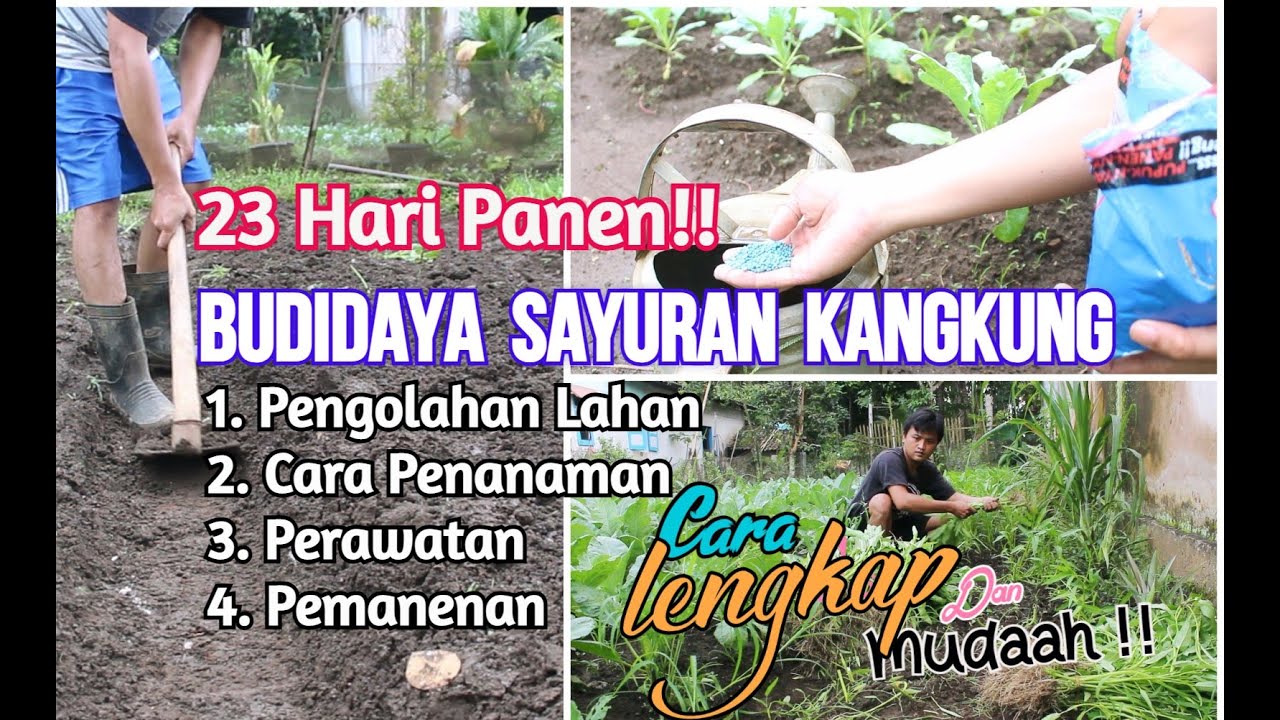
LENGKAP | Cara Menanam Kangkung dari Awal Sampai Panen
7 TIPS MENANAM SAYURAN DI POLYBAG

Materi Seni Rupa - BERKARYA SENI LUKIS - SMP Kelas 9 / Semester 1 (Kur.2013)
Cara Menanam Tebu Agar Cepat Besar - Tahapan Dalam Budidaya Tanaman Tebu
5.0 / 5 (0 votes)

