Fase Bulan | Mengapa Bulan Berubah Bentuk? | Belajar IPA Menyenangkan
Summary
TLDRThis video takes viewers on a delightful journey to explore the Moon and its changing phases. Using a friendly, conversational style, it explains that the Moon does not produce its own light but reflects sunlight, and its appearance shifts as it orbits the Earth over a 29-day cycle. The video clearly describes each lunar phase—from the New Moon to the Full Moon and back—highlighting how the illuminated portion gradually changes. Through vivid imagery and simple explanations, it encourages viewers to observe the night sky, understand the lunar cycle, and appreciate the beauty of the stars and the Moon shining above.
Takeaways
- 🌌 The night sky can be beautiful, filled with stars and a shining moon.
- 🌙 The moon appears in different shapes, sometimes full, half, or not visible at all.
- ☀️ The moon does not produce its own light; it reflects sunlight.
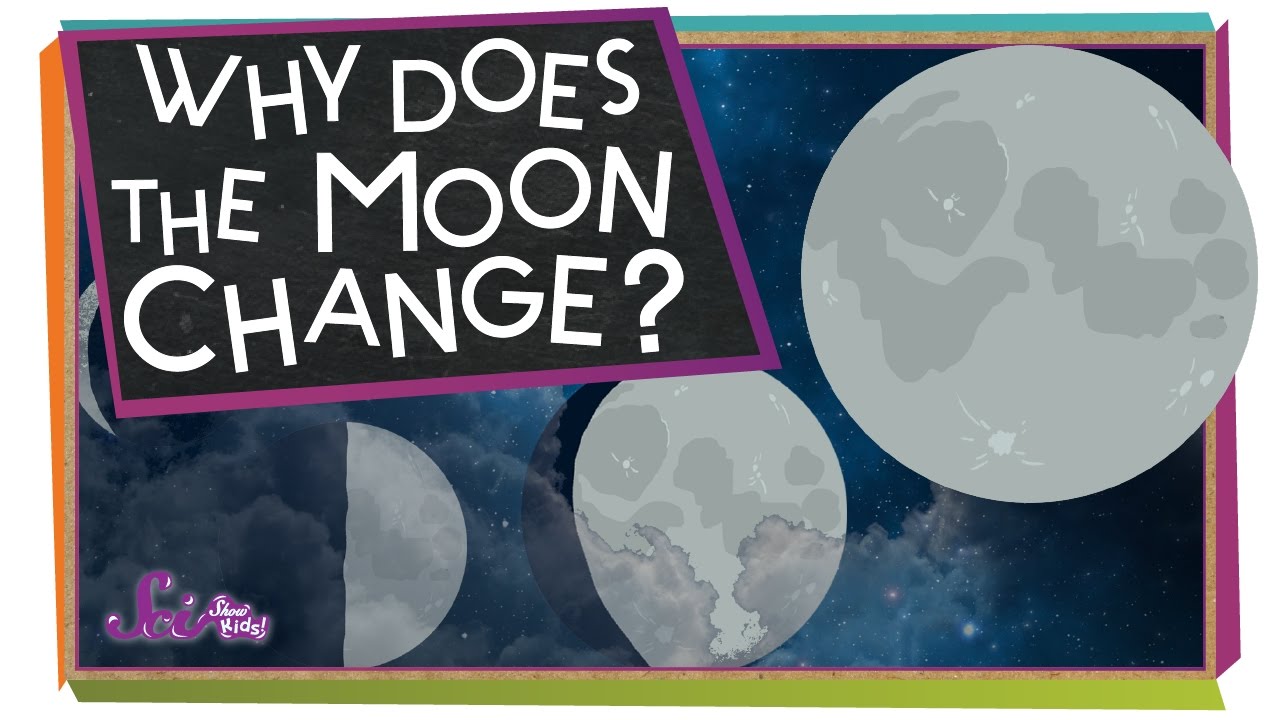
- 🌓 The changing shapes of the moon are called lunar phases.
- 🌍 The moon orbits the Earth in a cycle called the Lunar Cycle, which takes about 29 days.
- 🌑 New Moon occurs when the moon is between the Earth and the Sun, making it invisible from Earth.
- 🌒 Waxing Crescent appears a few days after the New Moon when a small part of the moon is lit.
- 🌓 First Quarter is when half of the moon's surface is visible from Earth.
- 🌕 Full Moon happens about 14 days after the New Moon when the moon is opposite the Sun.
- 🌗 Waning Gibbous and Last Quarter phases show the moon gradually decreasing in visibility.
- 🌘 Waning Crescent occurs just before returning to the New Moon, completing the lunar cycle.
- 🔄 The lunar cycle repeats continuously, offering a predictable pattern of moon phases.
Q & A
Why does the Moon appear to change shape in the night sky?
-The Moon appears to change shape because different portions of its sunlit surface become visible from Earth as the Moon revolves around the Earth.
Does the Moon produce its own light?
-No, the Moon does not produce its own light. The light we see from the Moon is sunlight reflected off the Moon’s surface.
What is the lunar cycle?
-The lunar cycle is the repeating sequence of Moon phases that occurs as the Moon revolves around the Earth.
How long does one complete lunar cycle take?
-One complete lunar cycle takes approximately 29.5 days.
What happens during the New Moon phase?
-During the New Moon phase, the Moon is positioned between the Earth and the Sun, so the side facing Earth receives no sunlight and becomes invisible from Earth.
What is the Waxing Crescent phase?
-The Waxing Crescent phase occurs a few days after the New Moon, when a small portion of the Moon’s right side becomes visible due to reflected sunlight.
What does the First Quarter Moon look like?
-During the First Quarter phase, half of the Moon’s surface appears illuminated as seen from Earth.
What is the Waxing Gibbous phase?
-The Waxing Gibbous phase occurs when most of the Moon appears bright, with only a small dark area remaining.
When does the Full Moon occur?
-The Full Moon occurs about 14 days after the New Moon, when the Earth is between the Sun and the Moon, allowing the entire visible side of the Moon to be illuminated.
What is the Waning Gibbous phase?
-The Waning Gibbous phase happens after the Full Moon, when the illuminated portion of the Moon begins decreasing.
What happens during the Last Quarter phase?
-During the Last Quarter phase, half of the Moon is again visible, but the opposite half compared to the First Quarter is illuminated.
What is the Waning Crescent phase?
-The Waning Crescent phase occurs near the end of the lunar cycle, when only a small illuminated section of the Moon remains visible.
Why is sunlight important in the Moon phases?
-Sunlight is important because the Moon phases are created by how sunlight reflects off the Moon and how much of the illuminated side is visible from Earth.
What causes the Moon to move through different phases?
-The Moon’s revolution around the Earth causes its position relative to the Earth and Sun to change, creating different phases.
Does the lunar cycle repeat continuously?
-Yes, the lunar cycle repeats continuously as the Moon keeps orbiting the Earth.
Outlines

Dieser Bereich ist nur für Premium-Benutzer verfügbar. Bitte führen Sie ein Upgrade durch, um auf diesen Abschnitt zuzugreifen.
Upgrade durchführenMindmap

Dieser Bereich ist nur für Premium-Benutzer verfügbar. Bitte führen Sie ein Upgrade durch, um auf diesen Abschnitt zuzugreifen.
Upgrade durchführenKeywords

Dieser Bereich ist nur für Premium-Benutzer verfügbar. Bitte führen Sie ein Upgrade durch, um auf diesen Abschnitt zuzugreifen.
Upgrade durchführenHighlights

Dieser Bereich ist nur für Premium-Benutzer verfügbar. Bitte führen Sie ein Upgrade durch, um auf diesen Abschnitt zuzugreifen.
Upgrade durchführenTranscripts

Dieser Bereich ist nur für Premium-Benutzer verfügbar. Bitte führen Sie ein Upgrade durch, um auf diesen Abschnitt zuzugreifen.
Upgrade durchführenWeitere ähnliche Videos ansehen




5.0 / 5 (0 votes)

