Ensino híbrido: rotação por estações
Summary
TLDRThe video explores how technology can transform teaching practices to foster active learning. It highlights an innovative hybrid teaching method called 'station rotation,' where students move through multiple learning stations tailored to their needs. Each station incorporates different activities, including at least one with digital tools. For example, a 6th-grade class studying the nervous system might use laptops to explore brain features, research reflex versus voluntary movements in books, and engage in group debates. This approach encourages collaboration, hands-on engagement, and deeper understanding. The video invites educators to watch additional demonstrations of technology-mediated innovative practices to enhance their teaching strategies.
Takeaways
- 😀 Technology in education needs to transform teachers' pedagogical practices.
- 😀 An example of an innovative pedagogical practice is the 'station rotation' model.
- 😀 The 'station rotation' is a hybrid teaching method where students engage in different learning stations.
- 😀 Teachers design experiences that foster dynamic activities and collaboration among students.
- 😀 The teacher organizes work groups according to students' individual needs.
- 😀 Each station includes activities where students share discoveries and apply concepts, incorporating digital technologies.
- 😀 One example involves studying the nervous system in a 6th-grade class using three different stations.
- 😀 In the first station, students use laptops with an app to identify features of the human brain.
- 😀 In the second station, students research the difference between reflex and voluntary movements in books.
- 😀 The third station involves students debating a topic related to the theme of the lesson.
- 😀 Throughout the lesson, students rotate through all three stations to deepen their understanding of the topic.
Q & A
What is the primary purpose of using technology in education, as mentioned in the script?
-The primary purpose is for technology to transform the pedagogical practice of teachers, enhancing the learning experience and making it more dynamic and collaborative.
What is the 'rotation with stations' approach described in the script?
-The 'rotation with stations' is a hybrid teaching practice where the teacher designs activities that encourage student collaboration, with students rotating through different stations, each involving a different task or type of learning.
How does the teacher organize students during the 'rotation with stations' practice?
-The teacher organizes the students into groups according to their needs, ensuring that each group works on tasks that are suited to their learning objectives.
What role do digital technologies play in the stations?
-At least one station includes digital technologies, which are used to help students explore concepts and apply what they have learned. For example, students may use apps to learn about the brain.
Can you provide an example of how this hybrid model works in practice for a specific topic?
-For example, in the 6th-grade class studying the nervous system, the teacher sets up three stations: one using laptops with an app to explore the human brain, one for researching reflexive and voluntary movements, and one for debating a topic related to the subject.
What are the benefits of using the 'rotation with stations' method for students?
-This method allows students to engage in active learning, collaborate with peers, and explore different aspects of the subject through varied activities, which helps in deeper understanding and retention of concepts.
What types of activities do students engage in during the stations?
-Activities include using digital apps, researching in books, and participating in debates, all aimed at helping students apply and reinforce the knowledge they are gaining.
How does this method encourage student collaboration?
-Students collaborate by working in groups at different stations, where they share discoveries, discuss ideas, and apply their knowledge together, fostering teamwork and communication.
What is the significance of having different types of stations in this method?
-The different types of stations allow for a multi-faceted approach to learning, catering to different learning styles and encouraging engagement with the content from various perspectives.
How can teachers benefit from using the 'rotation with stations' method?
-Teachers benefit by being able to cater to individual student needs through differentiated activities, monitor student progress more closely, and create a dynamic, engaging classroom environment.
Outlines

Dieser Bereich ist nur für Premium-Benutzer verfügbar. Bitte führen Sie ein Upgrade durch, um auf diesen Abschnitt zuzugreifen.
Upgrade durchführenMindmap

Dieser Bereich ist nur für Premium-Benutzer verfügbar. Bitte führen Sie ein Upgrade durch, um auf diesen Abschnitt zuzugreifen.
Upgrade durchführenKeywords

Dieser Bereich ist nur für Premium-Benutzer verfügbar. Bitte führen Sie ein Upgrade durch, um auf diesen Abschnitt zuzugreifen.
Upgrade durchführenHighlights

Dieser Bereich ist nur für Premium-Benutzer verfügbar. Bitte führen Sie ein Upgrade durch, um auf diesen Abschnitt zuzugreifen.
Upgrade durchführenTranscripts

Dieser Bereich ist nur für Premium-Benutzer verfügbar. Bitte führen Sie ein Upgrade durch, um auf diesen Abschnitt zuzugreifen.
Upgrade durchführenWeitere ähnliche Videos ansehen

The more you’re taught, the less you know | Stephen Baldridge | TEDxACU
Teacher Leadership in the Classroom
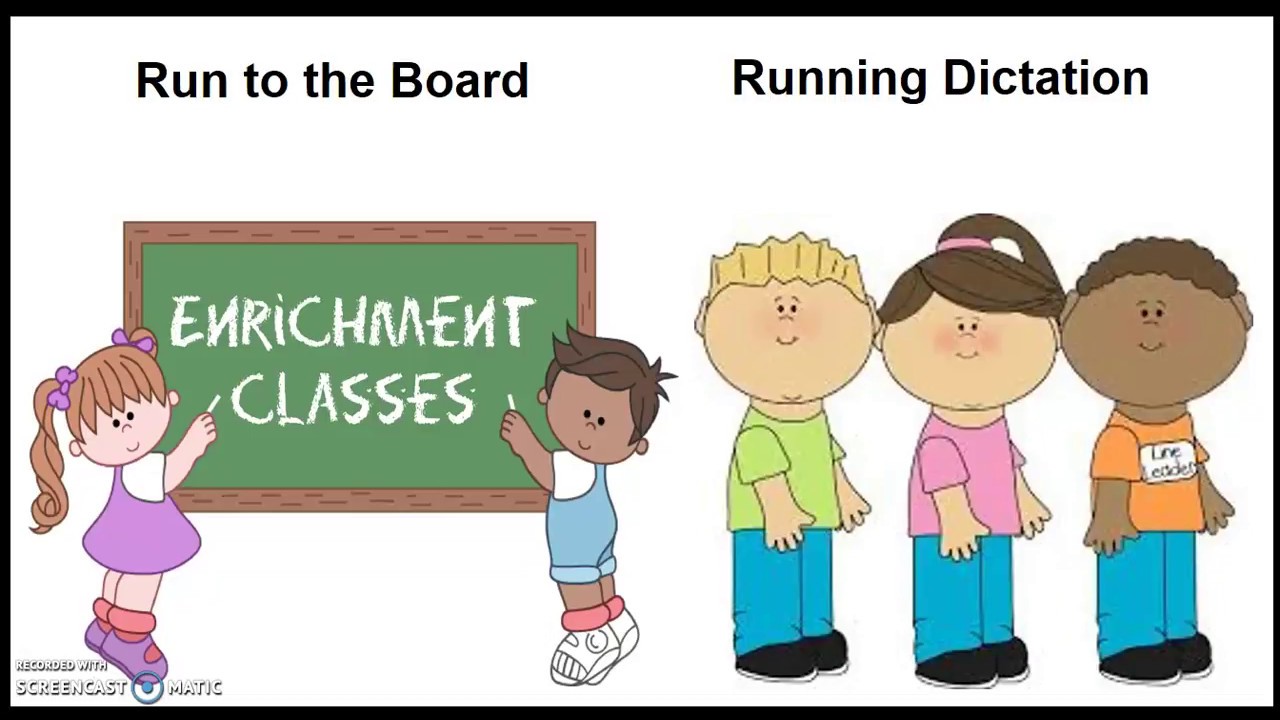
Teaching Strategies

Inovasi Pembelajaran Digital dalam Meningkatkan Motivasi Belajar Siswa
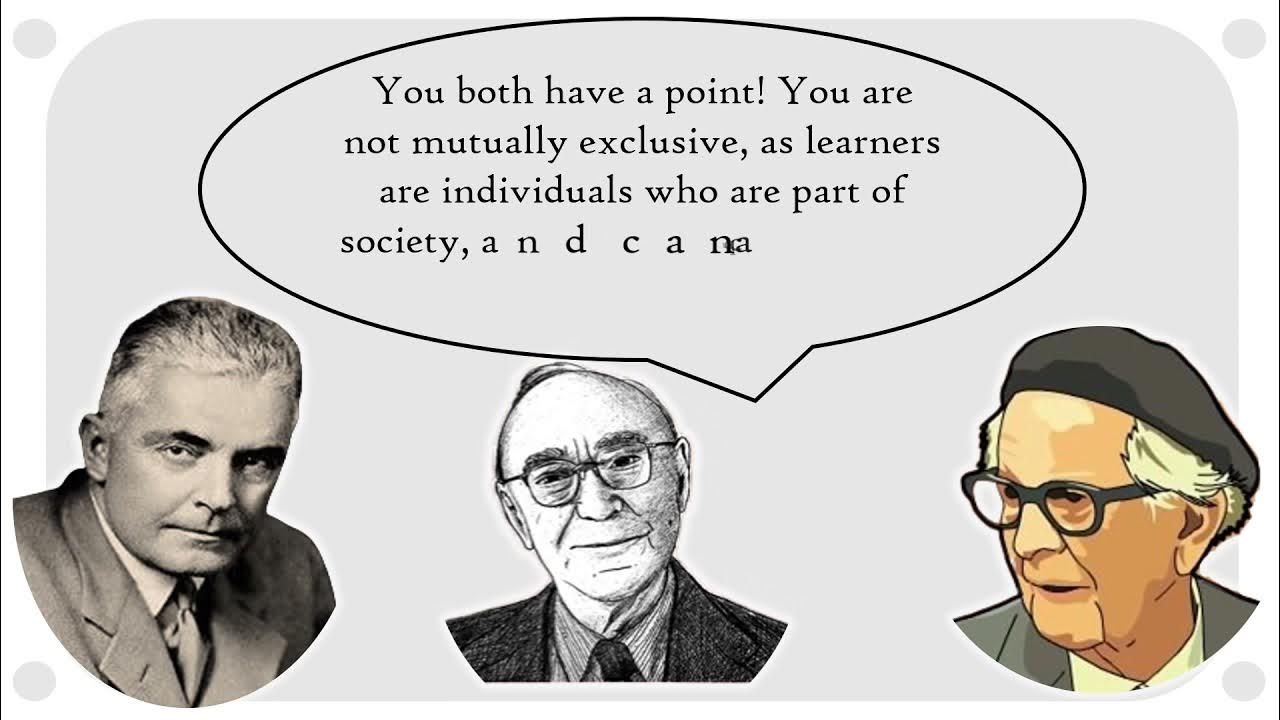
THEORIES OF LEARNING: BEHAVIORISM, COGNITIVISM, & CONSTRUCTIVISM

BAGAIMANA KONSEP EDUTAINMENT (Edukasi - Entertaint)? I AdaApa? Eps.36
5.0 / 5 (0 votes)

