Nilai Terlalu Mendadak, Pakar Ketenagakerjaan UGM Soroti UU Perlindungan PRT
Summary
TLDRThe transcript discusses the landmark Indonesian law protecting domestic workers (UU PRT), highlighting its significance after more than 20 years of debate. Prof. Tajudin Effendi explains that the law formalizes the employment relationship between domestic workers and employers, ensuring rights such as regulated wages, working hours, and social security coverage. Challenges include implementation, especially for freelance workers outside legal agencies, and the need for government oversight down to local levels. The law aims to prevent exploitation and aligns Indonesia with international practices, but successful enforcement requires thorough socialization, clear guidelines, and active monitoring to protect millions of domestic workers nationwide.
Takeaways
- 😀 The Domestic Workers Law (UU PRT) in Indonesia has been officially enacted after more than 20 years of discussion.
- 😀 Domestic workers now have formal legal status, shifting from informal, family-like arrangements to employer-employee relationships.
- 😀 The law defines clear worker protections, including formal wages that cannot be arbitrarily reduced.
- 😀 Working hours for domestic workers are now regulated to prevent exploitation and excessive workloads.
- 😀 Social security benefits, including health insurance, work accident coverage, and retirement benefits, are included under the law.
- 😀 The government at all levels, from national to local (RT/RW), is responsible for monitoring compliance with the law.
- 😀 Implementation challenges exist, especially for domestic workers hired informally or through private arrangements without legal oversight.
- 😀 The law also considers domestic worker misconduct, ensuring mechanisms exist for legal recourse when violations occur.
- 😀 Public awareness and education of both domestic workers and employers are crucial for effective application of the law.
- 😀 There is a need for technical regulations to detail how the law is enforced, particularly regarding agencies and formal employment structures.
- 😀 Despite formal enactment, data on the number of domestic workers employed formally versus informally is still incomplete.
- 😀 Comparisons with international practices, like Hong Kong, highlight the importance of structured regulations for wages, hours, and worker rights.
Q & A
What is the main topic discussed in the transcript?
-The main topic is the enactment of the Domestic Workers Law (UU PRT) in Indonesia, focusing on legal protection, employment rights, and implementation challenges for domestic workers.
Who is the main expert providing insights in the discussion?
-The main expert is Prof. Tajudin Effendi, a labor expert from Universitas Gadjah Mada (UGM).
What legal changes does the UU PRT introduce for domestic workers?
-The law formalizes the employment relationship between domestic workers and employers, transitioning it from a familial or informal arrangement to a regulated employer-employee relationship under legal protection.
What rights and protections are provided to domestic workers under the new law?
-Domestic workers are entitled to formal wages, regulated working hours, social security, health insurance, and protections under BPJS for work-related accidents, old age, and unemployment.
How is the enforcement and supervision of the UU PRT expected to be carried out?
-Supervision is intended to be hierarchical, starting from the local neighborhood level (RT/RW) and escalating to district and central government authorities if disputes arise.
What challenges exist for implementing this law for domestic workers employed directly by households?
-Challenges include monitoring compliance in private homes, ensuring formal employment agreements, and addressing the lack of coverage for workers not employed through formal agencies or legal entities.
Does the law address criminal or misconduct cases involving domestic workers?
-Yes, the law acknowledges that technical regulations are needed to manage cases where domestic workers commit offenses, but detailed procedures are yet to be established.
How many domestic workers are estimated to be in Indonesia, and is there data on formal employment?
-Approximately 5–6 million domestic workers exist in Indonesia, but data distinguishing those employed through formal agencies and informal arrangements is limited.
What historical context is given regarding the development of this law?
-The law has been in discussion for over 20 years and its recent enactment surprised some observers who had been involved in early stages of the legislative process.
Why is public education and awareness important for the UU PRT?
-Public education is essential to ensure that both domestic workers and employers understand the law, comply with formal employment requirements, and know the rights and responsibilities defined by the legislation.
What role do recruitment agencies or legal entities play in the protection of domestic workers?
-Agencies or legal entities facilitate formal employment contracts, ensure compliance with wage and work hour regulations, and help provide access to social security benefits, but domestic workers outside these channels may face challenges in obtaining legal protection.
How does the law aim to professionalize domestic work in Indonesia?
-By formalizing employment contracts, regulating wages and working hours, and providing access to social protections, the law recognizes domestic workers as professional employees, ensuring their rights are protected similarly to other sectors.
Outlines

Dieser Bereich ist nur für Premium-Benutzer verfügbar. Bitte führen Sie ein Upgrade durch, um auf diesen Abschnitt zuzugreifen.
Upgrade durchführenMindmap

Dieser Bereich ist nur für Premium-Benutzer verfügbar. Bitte führen Sie ein Upgrade durch, um auf diesen Abschnitt zuzugreifen.
Upgrade durchführenKeywords

Dieser Bereich ist nur für Premium-Benutzer verfügbar. Bitte führen Sie ein Upgrade durch, um auf diesen Abschnitt zuzugreifen.
Upgrade durchführenHighlights

Dieser Bereich ist nur für Premium-Benutzer verfügbar. Bitte führen Sie ein Upgrade durch, um auf diesen Abschnitt zuzugreifen.
Upgrade durchführenTranscripts

Dieser Bereich ist nur für Premium-Benutzer verfügbar. Bitte führen Sie ein Upgrade durch, um auf diesen Abschnitt zuzugreifen.
Upgrade durchführenWeitere ähnliche Videos ansehen

Debat RUU PRT! RUU PRT Penetapannya Harus Jelas! #HOTROOM

YANG DIPERAS CUCIANNYA BUKAN PRT-NYA | Karya Sekolah Watchdoc

Peningkatan Kasus KDRT Di Indonesia | REDAKSI PAGI (09/10/22)

UU PPRT Jadi Kado Terbaik Bagi Pekerja Rumah Tangga - [Newsline]

Pengantar Ilmu Hukum 33 | Pengantar Hukum Ketenagakerjaan #belajar #universitasterbuka #hukum
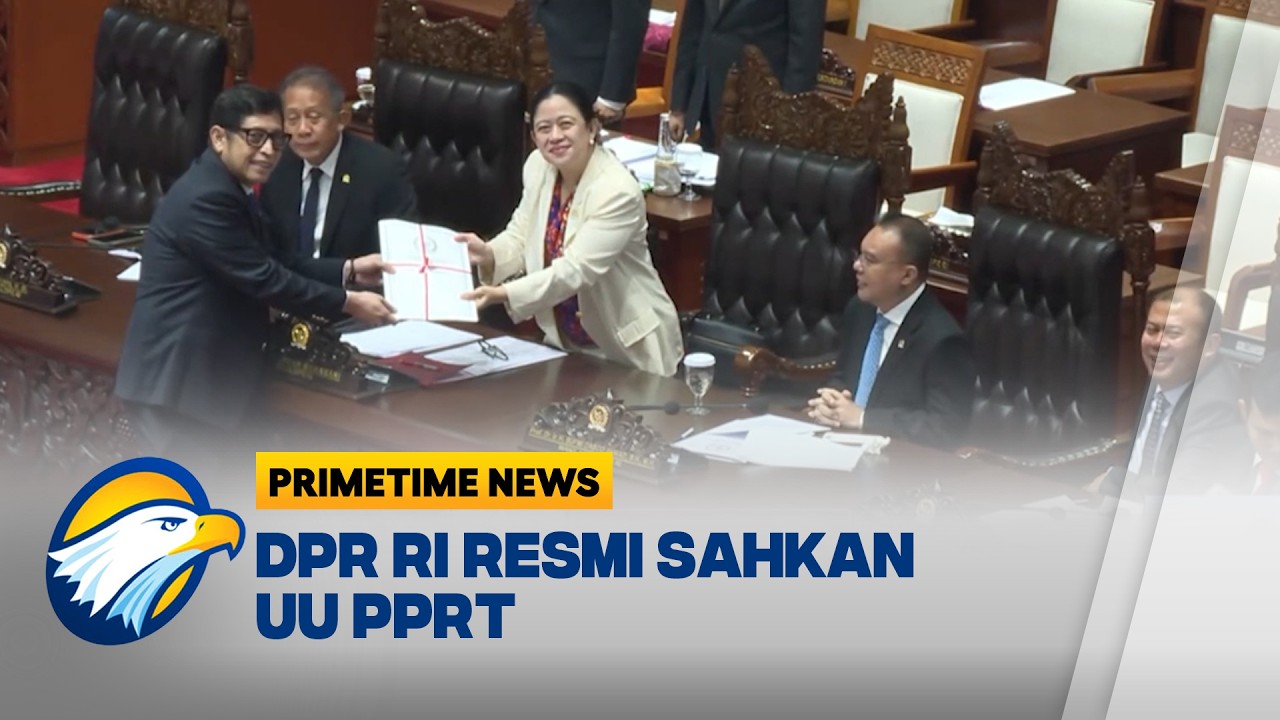
DPR RI Sahkan Undang-undang PPRT - [Primetime News]
5.0 / 5 (0 votes)

