Bagaimana Sebenarnya Seks Bermula? | Arc Evolusi Eps 4: Evolusi Reproduksi Seksual
Summary
TLDRThe video explores the fascinating evolution of sexual reproduction, starting with simple asexual reproduction in early life forms. It explains how sexual reproduction, arising around 2 billion years ago, transformed evolutionary strategies by combining genetic material from two parents. Various theories are discussed, including how sexual reproduction increases genetic diversity, aids adaptation, and helps organisms survive in changing environments. Despite its costs, sexual reproduction offers long-term benefits, such as faster adaptation and reducing harmful mutations. The video highlights the complexities and advantages of sexual reproduction across species and its role in evolutionary history.
Takeaways
- 😀 Reproduction is a fundamental characteristic of living organisms, enabling the preservation of genetic material through offspring.
- 😀 Asexual reproduction, which involves cloning genetic material, was the initial form of reproduction in early life forms.
- 😀 Sexual reproduction emerged around 2 billion years ago, marking a major evolutionary shift by combining genetic material from two individuals.
- 😀 Sexual reproduction increases genetic variation, leading to more diverse and adaptable organisms, as seen in humans and other eukaryotes.
- 😀 Eukaryotic organisms (including plants, fungi, and animals) likely share a common ancestor known as Leka, from which sexual reproduction may have originated.
- 😀 Some organisms have reverted to asexual reproduction, suggesting no single reproductive strategy is universally superior.
- 😀 The genetic variation generated by sexual reproduction provides raw material for natural selection, leading to the emergence of new species.
- 😀 While the exact origins of sexual reproduction are unclear, fossils such as Bangiomorpha pubesens provide early evidence of differentiated reproductive cells.
- 😀 Several hypotheses explain why sexual reproduction emerged, such as the Red Queen hypothesis, which suggests that genetic recombination helps organisms stay competitive in a changing environment.
- 😀 The costs of sexual reproduction, including energy expenditure and the risks of genetic combinations, are balanced by the advantages of genetic diversity and adaptability in the long term.
- 😀 Despite its apparent inefficiency in the short term, sexual reproduction offers flexibility and the ability to adapt to unpredictable environmental pressures.
Q & A
What is the defining characteristic of a living organism?
-The ability to reproduce is a defining characteristic of living organisms. Reproduction allows organisms to preserve their genetic material.
What was the initial mechanism of reproduction in early life forms?
-In the earliest life forms, reproduction was simple and asexual, where organisms copied their genetic material identically to create offspring.
How did sexual reproduction evolve and change life on Earth?
-Sexual reproduction evolved around 2 billion years ago during the Proterozoic era. This new mechanism combined genetic material from two different individuals, creating genetic diversity and allowing for more complex life forms.
What is the difference between asexual and sexual reproduction?
-Asexual reproduction involves a single organism copying its genetic material to create an identical offspring, while sexual reproduction involves the combination of genetic material from two different organisms, resulting in genetic variation.
What role do eukaryotes play in sexual reproduction?
-Eukaryotes, including animals, plants, fungi, and some protists, are organisms capable of sexual reproduction. They are believed to share a common ancestor, Leka, and are the primary group that evolved sexual reproduction.
How does the Red Queen hypothesis explain the evolution of sexual reproduction?
-The Red Queen hypothesis suggests that sexual reproduction evolved because organisms must constantly adapt to keep up with evolutionary changes, such as those driven by parasitism. It isn't about getting ahead but staying competitive.
How does sexual reproduction contribute to genetic diversity?
-Sexual reproduction mixes the genetic material from two parents, creating unique combinations that increase genetic diversity. This variation enhances the adaptability of species to changing environments.
What are some evolutionary advantages of sexual reproduction over asexual reproduction?
-Sexual reproduction allows for greater genetic diversity, making organisms more adaptable to environmental changes. It also reduces competition among offspring by producing varied traits, improving the chances of survival.
Why is the emergence of sexual reproduction still a mystery?
-The exact origins of sexual reproduction are difficult to pinpoint because it occurred so long ago. While there are theories and fossil evidence, the full explanation remains unclear due to the lack of transitional forms.
What are the trade-offs of sexual reproduction?
-Sexual reproduction is energy-intensive and can be inefficient. Organisms must find a mate, and there's always the risk that the genetic combination may not be beneficial. However, it offers greater long-term benefits, including adaptability and genetic health.
Outlines

Dieser Bereich ist nur für Premium-Benutzer verfügbar. Bitte führen Sie ein Upgrade durch, um auf diesen Abschnitt zuzugreifen.
Upgrade durchführenMindmap

Dieser Bereich ist nur für Premium-Benutzer verfügbar. Bitte führen Sie ein Upgrade durch, um auf diesen Abschnitt zuzugreifen.
Upgrade durchführenKeywords

Dieser Bereich ist nur für Premium-Benutzer verfügbar. Bitte führen Sie ein Upgrade durch, um auf diesen Abschnitt zuzugreifen.
Upgrade durchführenHighlights

Dieser Bereich ist nur für Premium-Benutzer verfügbar. Bitte führen Sie ein Upgrade durch, um auf diesen Abschnitt zuzugreifen.
Upgrade durchführenTranscripts

Dieser Bereich ist nur für Premium-Benutzer verfügbar. Bitte führen Sie ein Upgrade durch, um auf diesen Abschnitt zuzugreifen.
Upgrade durchführenWeitere ähnliche Videos ansehen
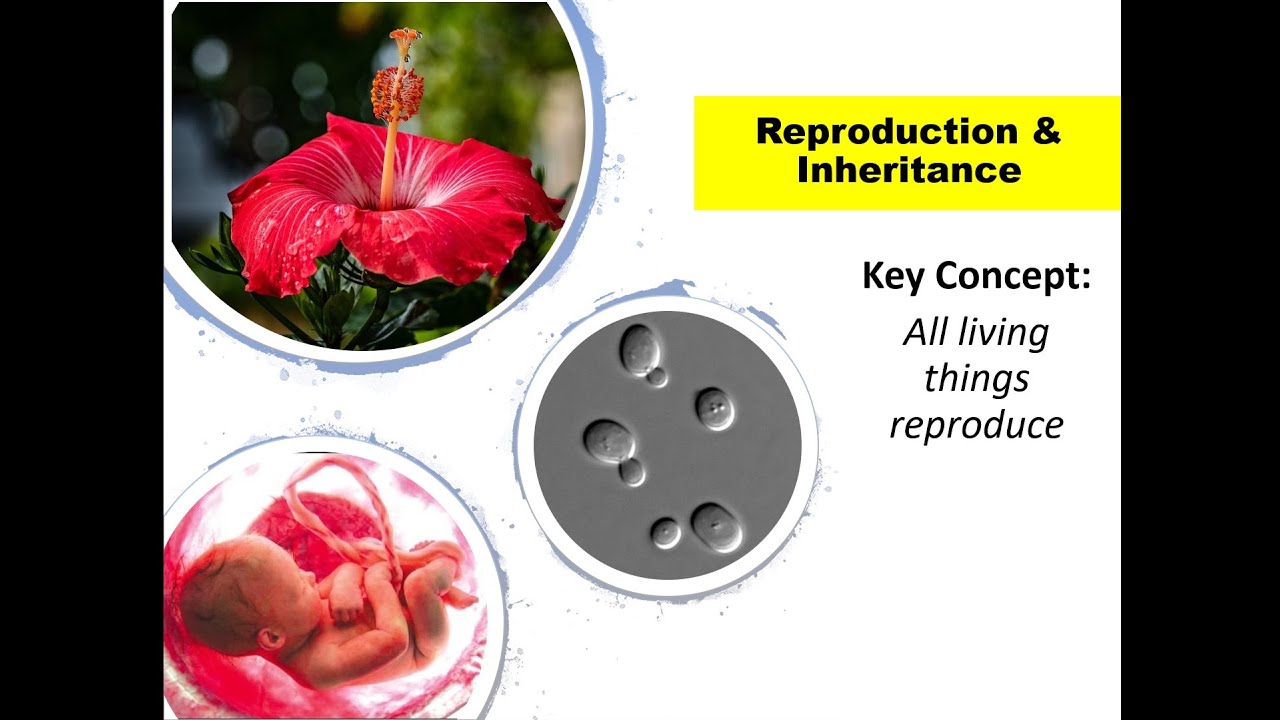
EARTH & LIFE SCIENCE - Perpetuation of Life of the Representative Animals
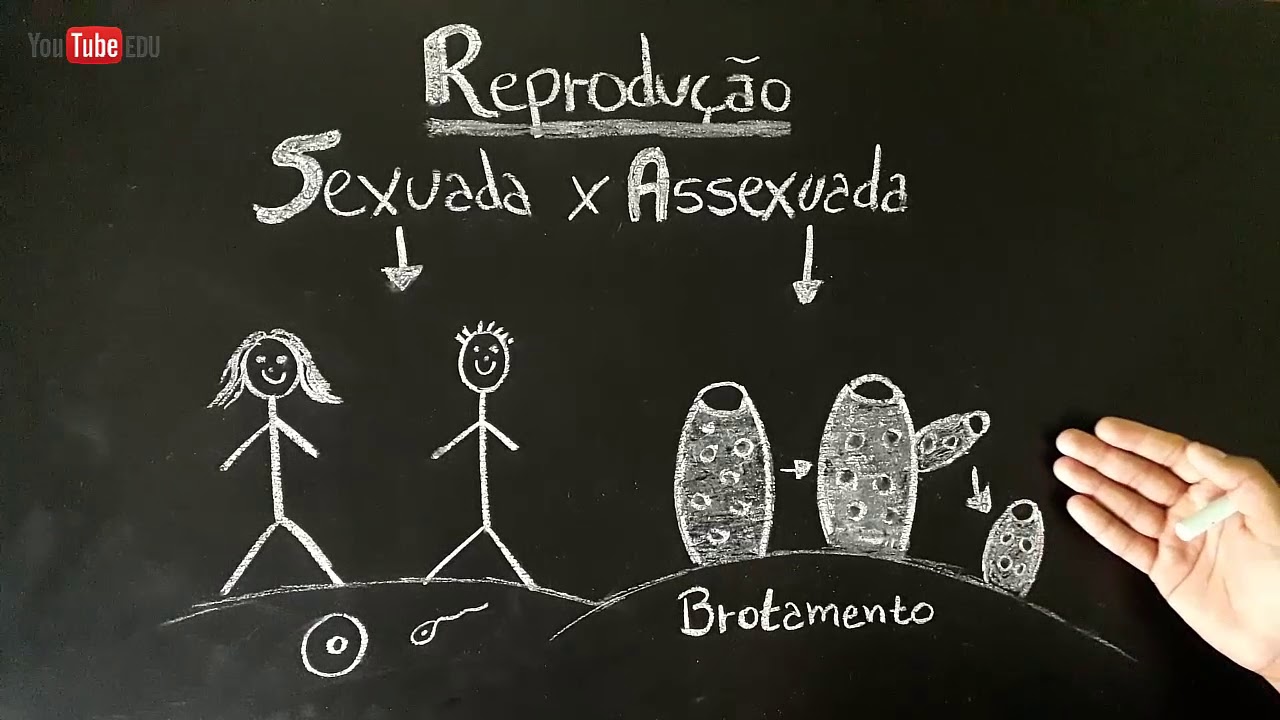
Reprodução SEXUADA e ASSEXUADA - Fecundação INTERNA e EXTERNA

Materi IPA Kelas 9 - Sistem Reproduksi/Perkembangbiakan pada Hewan
How Do Microorganisms Reproduce?

REPRODUCTION DES PLANTES 🌱 (Sexuelle, asexuée, avec des fleurs et sans fleurs)

SISTEM REPRODUKSI PADA HEWAN DAN TUMBUHAN | RINGKAS
5.0 / 5 (0 votes)

