La cellula eucariote
Summary
TLDRThis lecture provides a comprehensive overview of eukaryotic cells, highlighting the differences from prokaryotic cells and exploring the structure and function of key organelles. It covers the nucleus and its genetic material, the endoplasmic reticulum, Golgi apparatus, lysosomes, peroxisomes, mitochondria, and ribosomes, explaining their specific roles in protein synthesis, lipid production, energy generation, and cellular maintenance. The lecture also addresses non-membrane-bound structures like the centrosome and cytoskeleton, emphasizing their role in cell division and shape. Additionally, plant-specific organelles such as the cell wall, vacuole, and plastids, including chloroplasts, are described, illustrating their contribution to plant cell structure and photosynthesis.
Takeaways
- 🧬 Eukaryotic cells contain a nucleus and other membrane-bound organelles, unlike prokaryotic cells such as bacteria.
- 🧪 The nucleus houses DNA in the form of chromatin, which is DNA combined with histones and other regulatory proteins.
- 🧫 Eukaryotic DNA is organized into linear molecules called chromosomes, separated from the cytoplasm by the nuclear membrane.
- 🧵 The rough endoplasmic reticulum (RER) has ribosomes attached and is responsible for protein synthesis and folding.
- 🫀 The smooth endoplasmic reticulum (SER) synthesizes lipids, stores calcium, and plays a key role in metabolic processes.
- 📦 The Golgi apparatus modifies proteins from the ER, adds carbohydrates or lipids, and packages them into vesicles for secretion.
- 🧹 Lysosomes contain hydrolytic enzymes to degrade and recycle cellular waste, while peroxisomes detoxify harmful chemicals.
- ⚡ Mitochondria generate cellular energy (ATP), synthesize certain molecules, produce heat, and can trigger apoptosis; they contain circular DNA suggesting an evolutionary symbiosis origin.
- 🦴 The cytoskeleton is a dynamic network of microfilaments, intermediate filaments, and microtubules that maintains cell shape, enables movement, and supports intracellular transport.
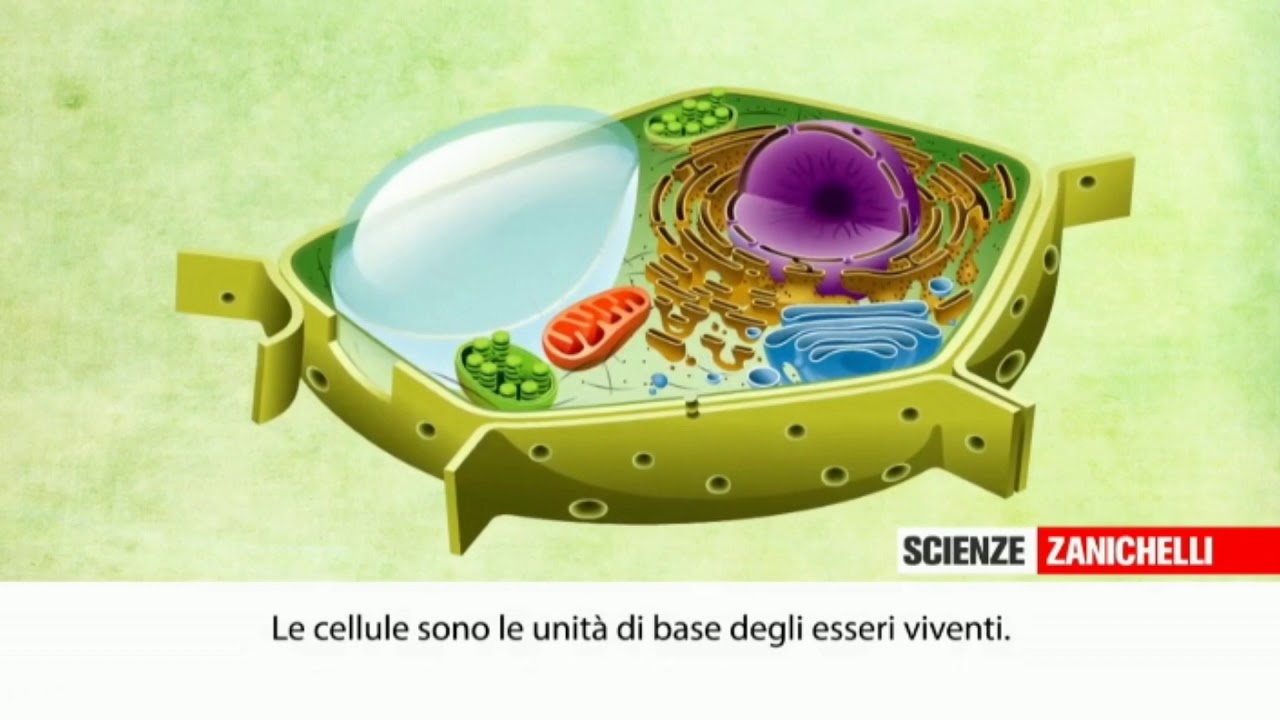
- 🌱 Plant cells have unique organelles: the cell wall (structural support), vacuoles (water storage and turgor maintenance), and plastids like chloroplasts for photosynthesis.
Q & A
What is the primary difference between eukaryotic and prokaryotic cells?
-Eukaryotic cells have a nucleus that contains their genetic material (DNA), while prokaryotic cells, like bacteria, do not have a nucleus.
What is chromatin and where is it found in a eukaryotic cell?
-Chromatin is a structure composed of DNA and specific proteins called histones. It is found inside the nucleus of eukaryotic cells and is crucial for gene regulation.
What is the function of the nuclear membrane?
-The nuclear membrane, also known as the nuclear envelope, separates the contents of the nucleus from the rest of the cell, protecting the genetic material.
What is the role of ribosomes in a cell?
-Ribosomes are responsible for protein synthesis. They translate the messenger RNA (mRNA) into amino acid sequences to form proteins.
How does the rough endoplasmic reticulum (ER) contribute to protein synthesis?
-The rough ER has ribosomes attached to it, which synthesize proteins. These proteins are then folded into their correct structure within the ER.
What is the difference between rough and smooth endoplasmic reticulum?
-The rough ER is studded with ribosomes and synthesizes proteins, while the smooth ER lacks ribosomes and is involved in lipid synthesis and calcium ion storage.
What is the function of the Golgi apparatus?
-The Golgi apparatus modifies, sorts, and packages proteins and lipids from the ER for transport within the cell or for secretion outside the cell.
What is the role of lysosomes in a cell?
-Lysosomes contain enzymes that break down waste materials, damaged cell components, and foreign particles ingested by the cell.
What is the function of mitochondria and why are they considered unique?
-Mitochondria are the powerhouses of the cell, generating energy in the form of ATP. They are thought to have originated from an ancient symbiosis between a primitive eukaryotic cell and a bacterium.
What is the significance of peroxisomes in a cell?
-Peroxisomes protect the cell by performing oxidative reactions and breaking down toxic substances like hydrogen peroxide.
What organelles are unique to plant cells and what are their functions?
-Plant cells have three unique organelles: the cell wall (provides structure and protection), the vacuole (stores water and helps maintain cell turgidity), and plastids, including chloroplasts (involved in photosynthesis).
How does the cytoskeleton contribute to the cell's function?
-The cytoskeleton provides mechanical support, helps maintain the cell's shape, enables cell movement, and facilitates the transport of materials within the cell.
Outlines

Dieser Bereich ist nur für Premium-Benutzer verfügbar. Bitte führen Sie ein Upgrade durch, um auf diesen Abschnitt zuzugreifen.
Upgrade durchführenMindmap

Dieser Bereich ist nur für Premium-Benutzer verfügbar. Bitte führen Sie ein Upgrade durch, um auf diesen Abschnitt zuzugreifen.
Upgrade durchführenKeywords

Dieser Bereich ist nur für Premium-Benutzer verfügbar. Bitte führen Sie ein Upgrade durch, um auf diesen Abschnitt zuzugreifen.
Upgrade durchführenHighlights

Dieser Bereich ist nur für Premium-Benutzer verfügbar. Bitte führen Sie ein Upgrade durch, um auf diesen Abschnitt zuzugreifen.
Upgrade durchführenTranscripts

Dieser Bereich ist nur für Premium-Benutzer verfügbar. Bitte führen Sie ein Upgrade durch, um auf diesen Abschnitt zuzugreifen.
Upgrade durchführenWeitere ähnliche Videos ansehen


5.0 / 5 (0 votes)

