Industriële Revolutie
Summary
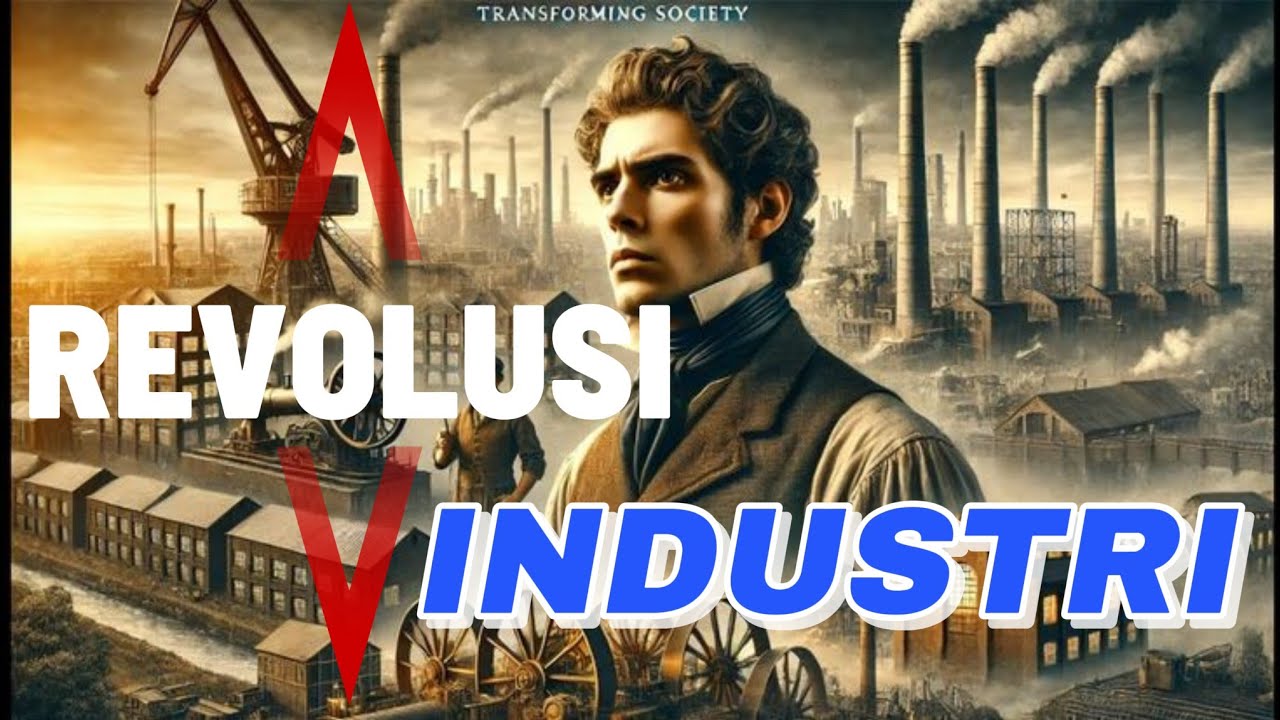
TLDRThe video explores the transformative impact of the Industrial Revolution, beginning with the introduction of the steam locomotive and the rise of factories powered by steam engines. It highlights technological breakthroughs like the spinning jenny and water-powered machines that revolutionized textile production. The narrative examines the social consequences, including long working hours, child labor, and harsh factory conditions, which spurred labor organization and social reforms. It traces the spread of industrialization across Europe and the United States, the rise of mass production, and innovations in transportation such as railways and automobiles. The video concludes by reflecting on industrialization's lasting legacy on modern life, technology, and cultural heritage.
Takeaways
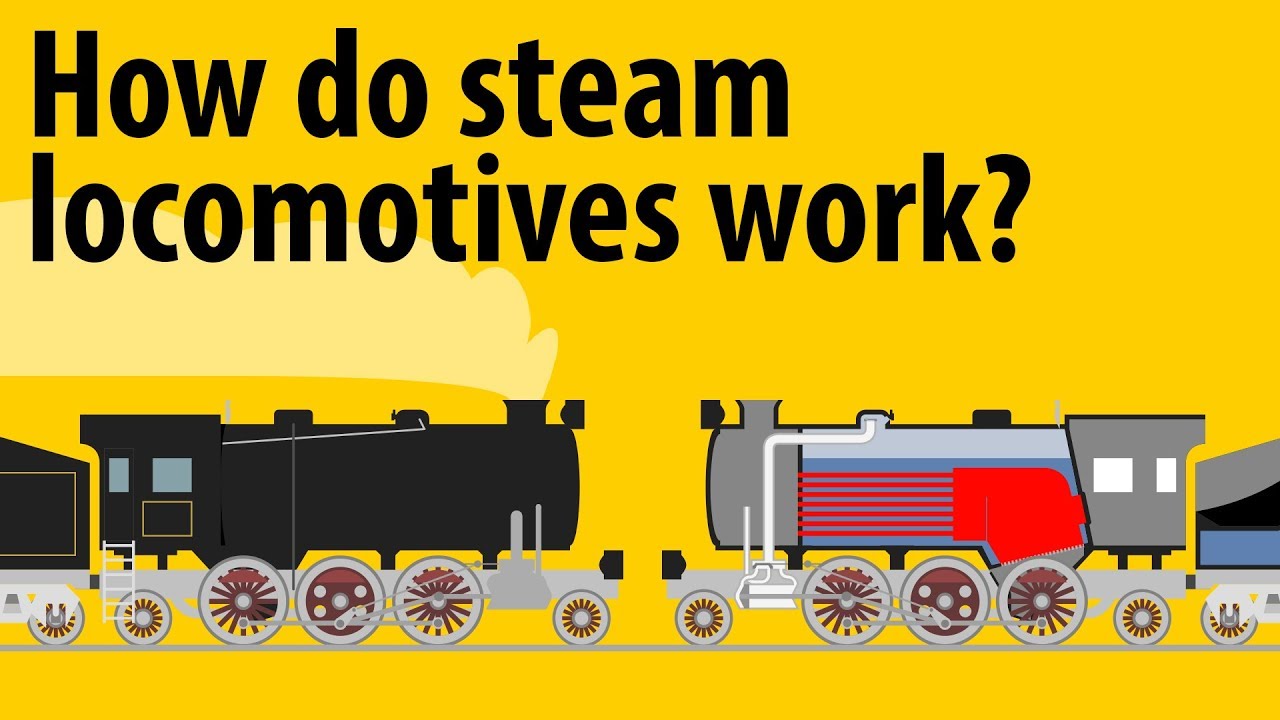
- 🚂 The steam locomotive, introduced in the early 19th century, revolutionized transportation by moving faster and carrying heavier loads than horses.
- 🏭 The Industrial Revolution marked a major break from the past, introducing machines and production techniques that transformed everyday life.
- 🌾 Before industrialization, life was largely rural and slow-paced, relying on human, animal, wind, and water power for work.
- 🧵 Invention of machines like the spinning Jenny and water-powered spinning machines significantly increased textile production efficiency.
- ⚡ The steam engine allowed factories to be powered independently of water sources, enabling industrial growth near coal mines and urban centers.
- 🚆 Railways expanded rapidly in England and Europe, facilitating the transport of raw materials and finished products, boosting trade and industry.
- 🚗 Automobiles eventually surpassed trains in mobility and practicality, with mass production techniques developed by Henry Ford making them affordable.
- 👷 Factory work involved long hours, dangerous conditions, and minimal worker rights, prompting the formation of trade unions and labor movements.
- 📜 Social reforms and labor laws emerged to address poor working conditions, gradually improving the lives of industrial workers.
- 🌍 While industrialization brought progress and conveniences, it also caused environmental issues, emphasizing the need to preserve industrial heritage as cultural monuments.
Q & A
What invention marked the beginning of a new era in transportation at the start of the 19th century?
-The steam locomotive marked the beginning of a new era in transportation, allowing speeds of around 20 km/h and the ability to pull 30 wagons.
Why was the steam locomotive considered a technological wonder?
-It could move faster than horses and pull multiple wagons simultaneously, symbolizing the advancements of the Industrial Revolution and the shift from manual to machine-driven labor.
How did life before the Industrial Revolution differ from life afterward?
-Before industrialization, people mostly lived in rural areas, relied on manual labor and simple tools, and used wind or animal power. Afterward, machines in factories enabled mass production, increased efficiency, and drastically changed daily life and work routines.
What factors made England particularly suitable for industrialization?
-England had access to raw materials from colonies, growing profits from trade, long-standing iron and coal resources, and agricultural improvements that freed labor for factories.
How did innovations like the Spinning Jenny and water-powered machines impact textile production?
-They greatly increased production speed and efficiency, replacing traditional hand-spinning and weaving, and allowed factories to produce more textiles to meet growing demand.
What role did the steam engine play in industrial development?
-The steam engine provided powerful and consistent energy to drive various machines, allowing factories to operate more efficiently and enabling the creation of larger industrial operations.
How did industrialization influence urban growth?
-Thousands of workers moved to cities for factory jobs, leading to the rapid growth of industrial towns and the transformation of urban landscapes.
What were some of the working conditions for factory laborers during industrialization?
-Workers faced long hours of 12-14 hours per day, minimal rest, hazardous conditions, child labor, and limited ability to demand better wages or conditions.
How did workers begin to improve their conditions during industrialization?
-They organized into trade unions and labor associations, and eventually staged strikes to demand better working conditions, wages, and regulated work hours.
How did transportation evolve after the steam engine, leading up to the early 20th century?
-While steam engines revolutionized trains, they were unsuitable for automobiles. Gasoline engines eventually replaced them in cars, allowing personal, flexible transport, which led to mass production methods such as assembly lines pioneered by Henry Ford.
What were the social and environmental consequences of industrialization?
-Industrialization improved material comfort and efficiency but also led to pollution, hazardous working conditions, social inequality, and environmental issues like acid rain and climate change.
Why is it important to preserve old factories and machinery today?
-They serve as cultural monuments and historical reminders of the Industrial Revolution, highlighting how these technological advancements fundamentally shaped modern society.
Outlines

Dieser Bereich ist nur für Premium-Benutzer verfügbar. Bitte führen Sie ein Upgrade durch, um auf diesen Abschnitt zuzugreifen.
Upgrade durchführenMindmap

Dieser Bereich ist nur für Premium-Benutzer verfügbar. Bitte führen Sie ein Upgrade durch, um auf diesen Abschnitt zuzugreifen.
Upgrade durchführenKeywords

Dieser Bereich ist nur für Premium-Benutzer verfügbar. Bitte führen Sie ein Upgrade durch, um auf diesen Abschnitt zuzugreifen.
Upgrade durchführenHighlights

Dieser Bereich ist nur für Premium-Benutzer verfügbar. Bitte führen Sie ein Upgrade durch, um auf diesen Abschnitt zuzugreifen.
Upgrade durchführenTranscripts

Dieser Bereich ist nur für Premium-Benutzer verfügbar. Bitte führen Sie ein Upgrade durch, um auf diesen Abschnitt zuzugreifen.
Upgrade durchführenWeitere ähnliche Videos ansehen




5.0 / 5 (0 votes)

