Who will be India's First $100 Billion Internet Company?
Summary
TLDRThe video explores India’s journey toward producing its first $100 billion internet-born tech company, highlighting the milestones from unicorns ($1B) to decacorns ($10B). It profiles five potential contenders: Flipkart, Eternal (Zomato + Blinkit), PhonePe, Grow, and Ola Electric, analyzing their growth strategies, market dominance, and expansion into high-potential sectors like quick commerce, fintech, food delivery, stock investing, and electric vehicles. Each company leverages scale, innovation, and strategic new verticals to target massive valuations, with Flipkart and Eternal showing near-term potential and Ola Electric representing a high-risk, high-reward vision. The video emphasizes India’s evolving startup ecosystem and the ambition to join global tech giants.
Takeaways
- 🚀 India aims to produce its first $100 billion tech company by 2030, focusing on internet-born startups post-2000s.
- 💰 Flipkart was India's first unicorn in 2012 and first decacorn in 2014, with an IPO expected around 2025-26 at ~$70 billion.
- 📦 Flipkart plans to grow through Quickcommerce (Flipkart Minutes) and fintech (Super Dot Money), leveraging its scale and reach.
- 🍔 Eternal (Zomato + Blinket) is valued at $32 billion and could reach $100 billion by 2030 through food delivery, quick commerce, Hyperpure, and District.
- 📈 Eternal’s strategy involves launching new business verticals every 4-5 years to drive consistent growth.
- 💳 PhonePe, India’s largest fintech platform with 600 million users, aims to expand financial services and hyper-local commerce to reach $100 billion.
- 📊 Grow, a stock investing platform, is IPO-ready and could scale by increasing revenue per user and converting mutual fund investors into active traders.
- ⚡ Ola Electric focuses on electric vehicles and infrastructure, including a Gigafactory, Future Factory, and hypercharger network, aiming for long-term $100 billion growth.
- 🌏 India currently has only five companies valued over $100 billion, but most are old, non-tech firms; the next wave targets tech-first growth.
- 📈 Key growth drivers across these companies include first-mover advantages, user base scale, expansion into new verticals, and leveraging underpenetrated markets.
Q & A
Why is the $100 billion valuation milestone significant for Indian tech companies?
-The $100 billion valuation milestone, or 'hectocorn' status, signifies that Indian tech companies have reached a global scale and competitiveness. While India already has five companies above $100 billion, none are internet-first or post-2000 startups, making this an important benchmark for the emerging tech ecosystem.
Which Indian startup was the first to become a unicorn and decacorn?
-Flipkart was the first Indian startup to become a unicorn in 2012 with a $1 billion valuation and the first to become a decacorn in 2014 with a $10 billion valuation.
What are the key growth areas for Flipkart to reach a $100 billion valuation?
-Flipkart plans to achieve $100 billion through its core e-commerce business, expansion into quick commerce with Flipkart Minutes, and fintech initiatives through Super Dot Money.
What businesses does Eternal operate to drive growth towards $100 billion?
-Eternal operates multiple verticals including Zumato (food delivery), Blinket (quick commerce), Hyperpure (B2B supply to restaurants and dark stores), and District (a 'going out' platform covering dining, events, and offline shopping).
How does PhonePe plan to expand from its current valuation to $100 billion?
-PhonePe leverages its UPI payments dominance and 600 million registered users to cross-sell financial services like loans, insurance, mutual funds, and gold. It also explores hyperlocal commerce with Pinode to increase monetization and scale its fintech offerings.
Why is Grow considered a potential $100 billion company despite competition from Zeroda?
-Grow focuses on first-time investors in India’s underpenetrated stock market. It has become the largest stockbroking platform by users, has strong revenue growth, and aims to monetize its large user base by cross-selling high-margin financial products, potentially positioning it for a successful IPO and valuation growth.
What makes Ola Electric a speculative but possible $100 billion company?
-Ola Electric has ambitious EV plans including electric scooters, motorcycles, and cars, along with a Gigafactory and hypercharger network. Despite current product and service issues, if one successful product achieves market acceptance, it could propel the company to $100 billion, similar to Tesla's growth trajectory.
What is the growth rate of Flipkart’s new quick commerce segment compared to competitors?
-Quick commerce in India is growing at around 150% year-on-year. Flipkart Minutes is a late entrant but benefits from Flipkart’s scale, revenue, reach across serviceable pin codes, and existing high-value user base, positioning it to scale faster than competitors.
How is Eternal’s Hyperpure contributing to its growth strategy?
-Hyperpure is a B2B platform supplying fresh ingredients to restaurants and Blinket dark stores. It is becoming a massive cash flow contributor for Eternal and is comparable in revenue to Blinket, making it a key vertical for the company’s overall growth.
What market opportunity makes Grow’s growth story compelling in India?
-Currently, only around 6% of India’s population invests in the stock market compared to over 60% in the US. With its user-friendly interface and focus on first-time investors, Grow is well-positioned to capture a large share of this underpenetrated market, potentially driving significant growth.
How does Flipkart’s fintech product, Super Dot Money, target underserved segments?
-Super Dot Money focuses on first-time borrowers and tier 2 and tier 3 city users, tapping into underpenetrated markets. This approach allows Flipkart to grow its financial services user base and contribute to overall company valuation growth.
What is the expected impact of PhonePe’s hyperlocal commerce app Pinode?
-Pinode partners with local stores on an asset-light model, enabling quick commerce expansion to multiple cities. This strategy complements PhonePe’s fintech offerings and allows the company to grow revenue without heavy investment in infrastructure.
Outlines

Dieser Bereich ist nur für Premium-Benutzer verfügbar. Bitte führen Sie ein Upgrade durch, um auf diesen Abschnitt zuzugreifen.
Upgrade durchführenMindmap

Dieser Bereich ist nur für Premium-Benutzer verfügbar. Bitte führen Sie ein Upgrade durch, um auf diesen Abschnitt zuzugreifen.
Upgrade durchführenKeywords

Dieser Bereich ist nur für Premium-Benutzer verfügbar. Bitte führen Sie ein Upgrade durch, um auf diesen Abschnitt zuzugreifen.
Upgrade durchführenHighlights

Dieser Bereich ist nur für Premium-Benutzer verfügbar. Bitte führen Sie ein Upgrade durch, um auf diesen Abschnitt zuzugreifen.
Upgrade durchführenTranscripts

Dieser Bereich ist nur für Premium-Benutzer verfügbar. Bitte führen Sie ein Upgrade durch, um auf diesen Abschnitt zuzugreifen.
Upgrade durchführenWeitere ähnliche Videos ansehen

A Glimpse of FEATI History

Philip Adrian “Chino” Atilano, Founder and CEO, TimeFree Innovations, Inc.

Why Is Europe’s Youngest Billionaire Living In India? | The 1% Club Show | Ep. 16

TUGAS P5BK river of life (sungai kehidupan)

Vaccine War: India Vs West| World's first Nasal Vaccine for Covid-19 iNCOVACC
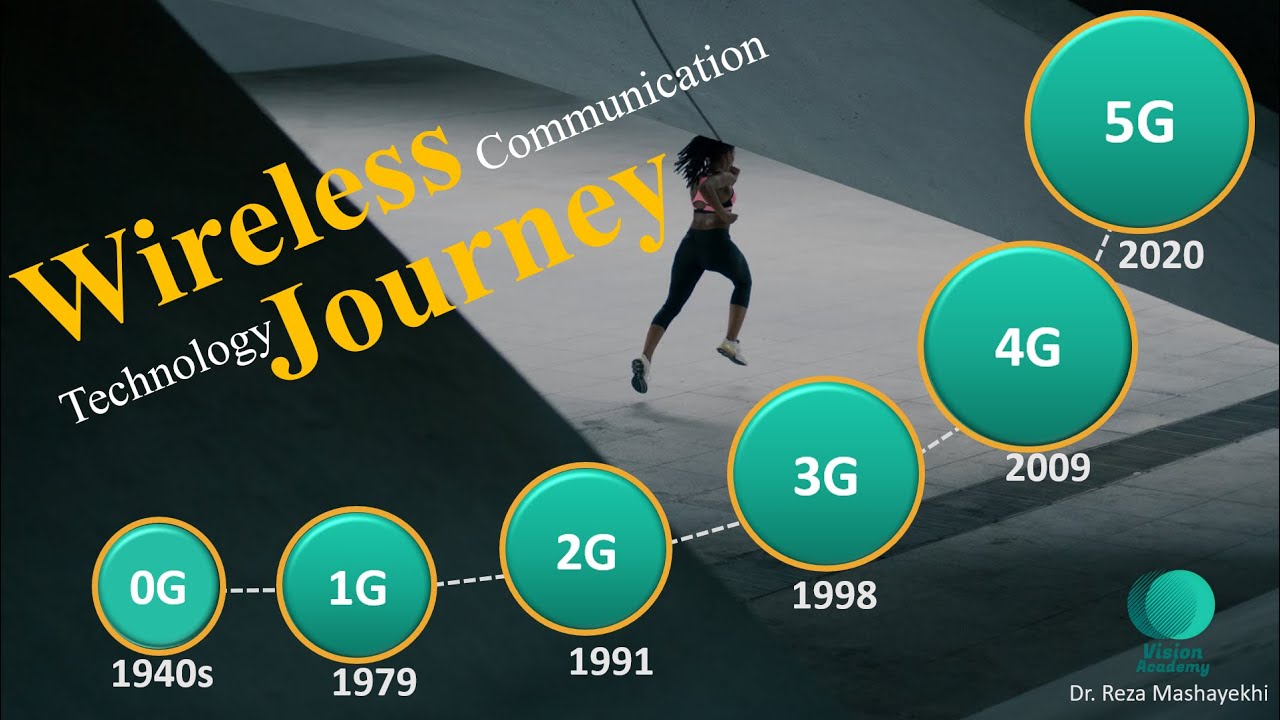
What are 0G, 1G, 2G, 3G, 4G, 5G Cellular Mobile Networks - History of Wireless Telecommunications
5.0 / 5 (0 votes)

