Bahan-bahan Teknik dan Sifat-sifat Mekanik Bahan - Teknologi Mekanik
Summary
TLDRIn this lecture on mechanical engineering technology, the instructor discusses various materials used in engineering, including metals, non-metals, ceramics, and composites. The session covers their classifications, such as ferrous and non-ferrous metals, as well as types of plastics and ceramics. The lecturer also delves into the mechanical properties of materials, including stress, strain, and material strength tests, explaining the concept of elasticity, toughness, and hardness. Key concepts like the tensile strength, ductility, and fracture toughness of materials are also explored, with practical examples in construction and manufacturing.
Takeaways
- 😀 Engineering materials are broadly categorized into metals, non-metals, and composites, each with specific subtypes and uses.
- 😀 Metals are divided into ferrous (iron-based) and non-ferrous (aluminum, copper, etc.), with various forms like stainless steel, cast iron, and tool steel.
- 😀 Plastics are classified into thermoplastics (recyclable), thermosets (non-recyclable), and elastomers (highly stretchable, e.g., rubber and silicone).
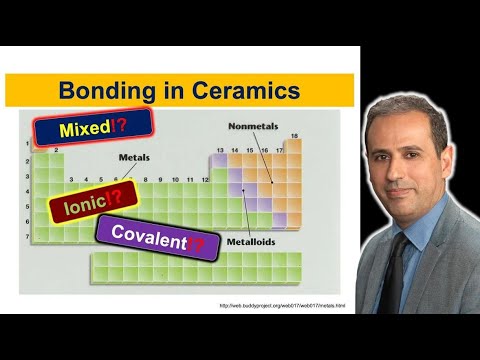
- 😀 Ceramics are made from oxides, nitrides, carbides, and often require high pressure and temperature for shaping; glass and diamond are notable examples.
- 😀 Composites are combinations of metals, plastics, or ceramics, designed to achieve specific mechanical properties.
- 😀 Mechanical properties of materials, such as yield strength, tensile strength, hardness, and toughness, are influenced by external forces applied to them.
- 😀 Stress-strain relationships describe how materials deform under load, distinguishing between elastic deformation (reversible) and plastic deformation (permanent).
- 😀 Key material tests include tensile testing, compression testing, and hardness testing, which provide data on elasticity, ductility, and fracture behavior.
- 😀 Poisson's ratio measures lateral strain relative to axial strain under loading and is crucial in evaluating material behavior in structures like pipes.
- 😀 Toughness represents the energy a material can absorb before failure, while hardness measures resistance to surface indentation; different testing methods include Brinell, Rockwell, Vickers, and others.
Q & A
What are the four main types of engineering materials discussed in the lecture?
-The four main types of engineering materials are: 1) Metals, 2) Plastics, 3) Ceramics, and 4) Composites.
What is the difference between ferrous and non-ferrous metals?
-Ferrous metals contain iron and are typically magnetic, like steel and cast iron. Non-ferrous metals do not contain significant amounts of iron, such as aluminum, copper, and titanium.
How are plastics categorized in the lecture?
-Plastics are categorized into three groups: Thermoplastics (recyclable, e.g., ABS, Nylon, PVC), Thermosets (non-recyclable, e.g., Epoxy, Phenolics), and Elastomers (highly elastic, e.g., rubber, silicone, polyurethane).
What are some examples of ceramic engineering materials, and what is their typical use?
-Ceramics include materials made from oxides, nitrides, and carbides, such as glass and diamond. They are used in applications requiring high hardness and temperature resistance, like cutting tools and structural components.
What defines a composite material?
-A composite material is made by combining two or more different materials (metal, plastic, or ceramic) to achieve properties that individual materials alone cannot provide.
What is the difference between elastic and plastic deformation in materials?
-Elastic deformation is reversible; the material returns to its original shape when the load is removed. Plastic deformation is permanent; the material does not return to its original shape after the load exceeds the yield point.
What are the key mechanical properties of materials introduced in the lecture?
-The key mechanical properties are: Yield Strength, Tensile Strength, Ductility, Toughness, and Hardness.
How is tensile stress calculated during a tensile test?
-Tensile stress is calculated as the applied load divided by the initial cross-sectional area of the specimen (σ = F / A0).
What is the Poisson's ratio, and why is it important?
-Poisson's ratio (ν) is the ratio of lateral strain to axial strain in a material under load. It is important for understanding how materials deform in multiple directions, which is critical for designing structures like pipes and beams.
How does energy absorption relate to material toughness?
-Toughness measures the energy a material can absorb before failure. Materials with higher toughness can withstand more energy and are less likely to fail catastrophically.
What is the difference between ductile and brittle materials based on fracture behavior?
-Ductile materials exhibit significant deformation before fracture and have a rounded or necked fracture surface. Brittle materials fracture with little to no deformation and have a flat or straight fracture surface.
What are the common hardness tests mentioned, and how do they differ?
-The common hardness tests mentioned are Brinell, Rockwell, and Vickers. Brinell uses a steel or tungsten ball, Rockwell uses a conical or ball indenter, and Vickers uses a diamond pyramid. Each method measures resistance to surface indentation differently.
Outlines

Dieser Bereich ist nur für Premium-Benutzer verfügbar. Bitte führen Sie ein Upgrade durch, um auf diesen Abschnitt zuzugreifen.
Upgrade durchführenMindmap

Dieser Bereich ist nur für Premium-Benutzer verfügbar. Bitte führen Sie ein Upgrade durch, um auf diesen Abschnitt zuzugreifen.
Upgrade durchführenKeywords

Dieser Bereich ist nur für Premium-Benutzer verfügbar. Bitte führen Sie ein Upgrade durch, um auf diesen Abschnitt zuzugreifen.
Upgrade durchführenHighlights

Dieser Bereich ist nur für Premium-Benutzer verfügbar. Bitte führen Sie ein Upgrade durch, um auf diesen Abschnitt zuzugreifen.
Upgrade durchführenTranscripts

Dieser Bereich ist nur für Premium-Benutzer verfügbar. Bitte führen Sie ein Upgrade durch, um auf diesen Abschnitt zuzugreifen.
Upgrade durchführenWeitere ähnliche Videos ansehen

Introduction to engineering materials
Materiais e Processos de Fabricação para Engenharia de Produção - Materiais para Engenharia
Material Teknik (Teori Pemesinan) Kelas X Mesin
Material Teknik
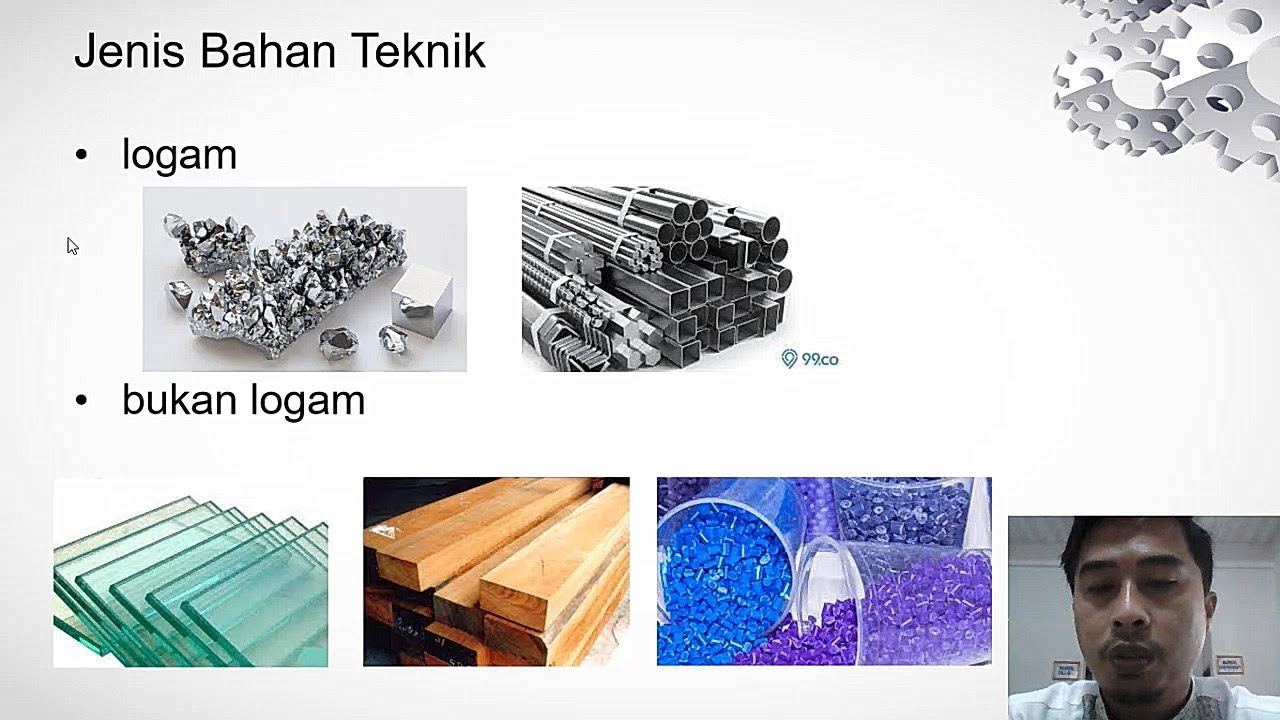
Pengetahuan Bahan Teknik
Bonding in Ceramics: Understand the Physical & Chemical Properties of Ceramics | #EME230
5.0 / 5 (0 votes)

