ep 1 ที่มาและเจตนา และการบังคับใช้กฎหมาย
Summary
TLDRThe video discusses the Personal Data Protection Act (PDPA) in Thailand, which was enacted to protect personal data and uphold individual rights. The law, effective since June 1, 2022, addresses the growing concerns around data breaches, such as hacking incidents and misuse of personal information. It aims to create trust among citizens, elevate data governance standards, and align with international practices. The PDPA outlines guidelines for government and private sectors to implement protective measures for personal data. The discussion also touches upon the various regulations and guidelines established to ensure compliance and transparency.
Takeaways
- 😀 The Personal Data Protection Act (PDPA) of Thailand was enacted to protect personal data and offer remedies for individuals whose data rights are violated.
- 😀 The PDPA aims to prevent data breaches, like the 55 million Thai citizens' personal data being sold by hackers.
- 😀 A common data violation example is the inappropriate handling of personal information, such as using identification copies for packaging without consent.
- 😀 The PDPA's primary goals are to build trust, promote good governance in data management, and align Thailand's standards with international norms.
- 😀 Building public trust is critical, as the PDPA ensures organizations handle personal data with standardized protective measures.
- 😀 The law encourages ethical practices for managing personal data within both public and private sectors to ensure transparency and fairness.
- 😀 By raising Thailand’s data protection standards to international levels, the PDPA facilitates global trade and foreign investment.
- 😀 Secondary regulations complement the PDPA by detailing specific procedures, including Record of Processing Activities (ROPA) and Data Protection Officer (DPO) guidelines.
- 😀 The PDPA was enforced in June 2022, but various secondary regulations have already been implemented since June 2025, with more to follow in the coming years.
- 😀 Organizations must comply with specific regulations like data security measures and mandatory breach notifications to ensure the safety and privacy of personal data.
- 😀 The law empowers the government to take action against organizations that violate personal data protections, setting clear penalties and enforcement guidelines.
Q & A
1. What does PDPA stand for and what is its legal name in Thailand?
-PDPA stands for Personal Data Protection Act. In Thailand, it is officially known as the Personal Data Protection Act B.E. 2562 (2019), enacted to protect personal data and the rights of data subjects.
2. When did the PDPA come into full effect in Thailand?
-The PDPA came into full effect on June 1, 2022.
3. What is the primary objective of the PDPA?
-The primary objective of the PDPA is to protect personal data, prevent violations of individuals’ rights, and provide remedies to data subjects when their personal data is unlawfully accessed, disclosed, or misused.
4. What are some real-life examples of personal data breaches mentioned in the script?
-Examples include a hacker selling the personal data of 55 million Thai citizens after breaching a government application system, a vendor using photocopies of ID cards to wrap food, and unsolicited SMS messages promoting gambling or loans due to leaked phone numbers.
5. What are the three main intentions behind the enactment of the PDPA?
-The three main intentions are: (1) to build public trust in data handling practices, (2) to elevate data governance standards within organizations, and (3) to align Thailand’s data protection standards with international norms to support global trade and investment.
6. How does the PDPA aim to build trust among Thai citizens?
-The PDPA requires both public and private organizations to implement standardized security measures and responsible data management practices, ensuring that citizens’ personal data is handled lawfully and securely.
7. What is meant by 'data governance' in the context of the PDPA?
-Data governance refers to the fair, transparent, and accountable management of personal data. It combines ethical responsibility and structured oversight to ensure proper data handling within organizations.
8. Why is aligning with international data protection standards important for Thailand?
-Aligning with international standards increases foreign confidence in Thailand’s data protection framework, facilitating cross-border trade, investment, and international cooperation.
9. Why are subordinate regulations necessary in addition to the main PDPA law?
-Subordinate regulations provide detailed guidelines, procedures, and compliance requirements that clarify how organizations must implement the main provisions of the PDPA effectively.
10. What is a Record of Processing Activities (ROPA) and how does it relate to SMEs?
-A Record of Processing Activities (ROPA) is documentation that details how personal data is collected, used, and processed. Certain small and medium-sized enterprises (SMEs) may be exempt from maintaining ROPA under specific regulatory conditions.
11. What are the requirements regarding data breach notifications under the PDPA?
-Organizations must follow prescribed rules and procedures for notifying authorities and affected individuals when a personal data breach occurs, as outlined in the subordinate regulations.
12. What is the role of a Data Protection Officer (DPO)?
-A Data Protection Officer (DPO) is responsible for overseeing compliance with the PDPA, advising the organization on data protection obligations, and serving as a point of contact between the organization and regulatory authorities.
13. What guidance has been issued to help organizations and citizens understand the PDPA?
-The Office of the Personal Data Protection Committee has issued various guidelines and manuals, including PDPA guides for SMEs, guides for citizens, consent guidelines, privacy notice guidelines, and risk assessment and breach notification manuals.
14. Why is consent an important concept under the PDPA?
-Consent ensures that data subjects are informed and voluntarily agree to the collection, use, or disclosure of their personal data, reinforcing transparency and individual control over personal information.
15. What is a Privacy Notice and why is it important?
-A Privacy Notice informs data subjects about the purposes of data collection, how their data will be used, and their rights under the law. It is important because it ensures transparency before personal data is collected.
Outlines

Dieser Bereich ist nur für Premium-Benutzer verfügbar. Bitte führen Sie ein Upgrade durch, um auf diesen Abschnitt zuzugreifen.
Upgrade durchführenMindmap

Dieser Bereich ist nur für Premium-Benutzer verfügbar. Bitte führen Sie ein Upgrade durch, um auf diesen Abschnitt zuzugreifen.
Upgrade durchführenKeywords

Dieser Bereich ist nur für Premium-Benutzer verfügbar. Bitte führen Sie ein Upgrade durch, um auf diesen Abschnitt zuzugreifen.
Upgrade durchführenHighlights

Dieser Bereich ist nur für Premium-Benutzer verfügbar. Bitte führen Sie ein Upgrade durch, um auf diesen Abschnitt zuzugreifen.
Upgrade durchführenTranscripts

Dieser Bereich ist nur für Premium-Benutzer verfügbar. Bitte führen Sie ein Upgrade durch, um auf diesen Abschnitt zuzugreifen.
Upgrade durchführenWeitere ähnliche Videos ansehen

หลักการสำคัญพระราชบัญญัติคุ้มครองข้อมูลส่วนบุคคล พ.ศ. 2562 EP.1
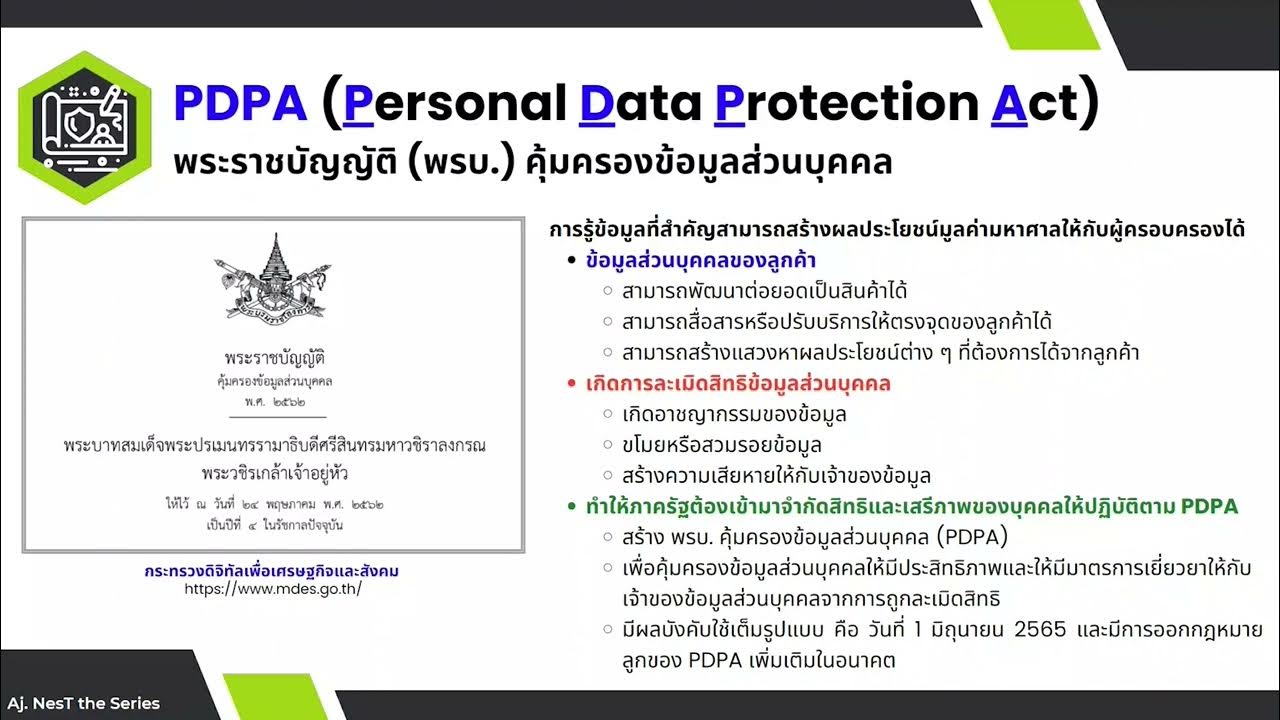
คอร์สเรียน PDPA พรบ.คุ้มครองข้อมูลส่วนบุคคล EP.1 แนะนำที่มาที่ไปของ PDPA
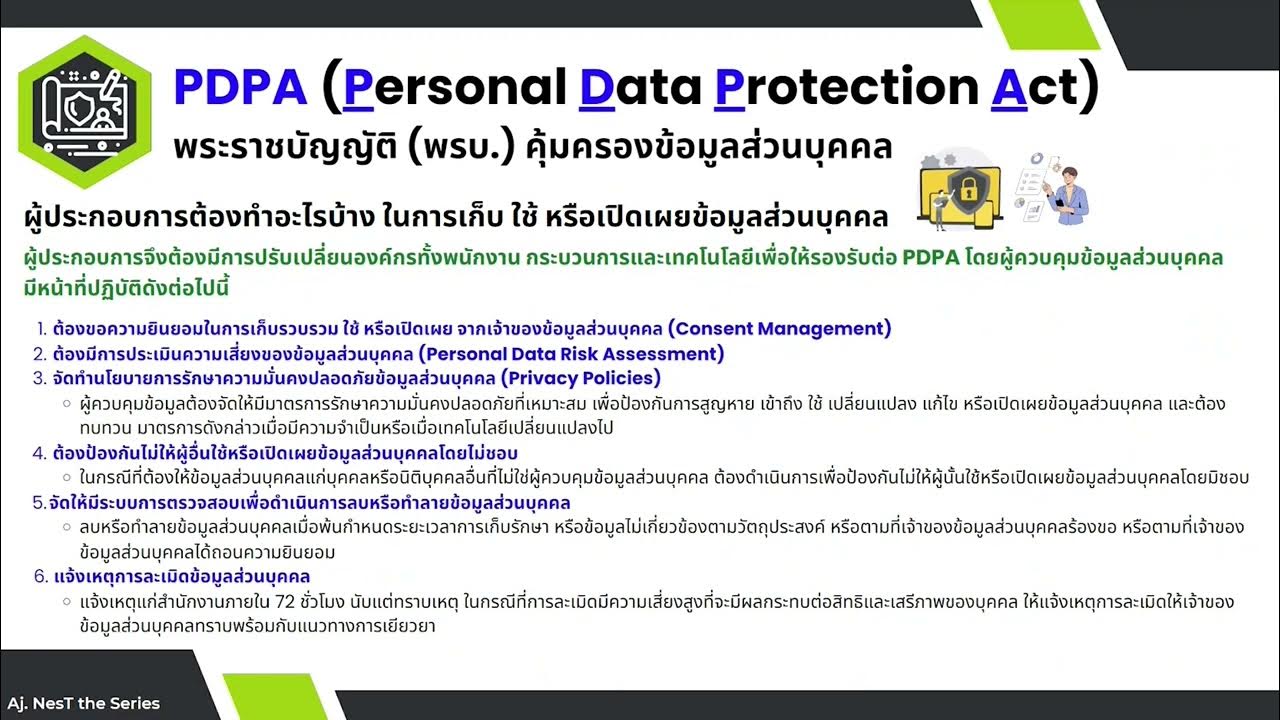
คอร์สเรียน PDPA พรบ.คุ้มครองข้อมูลส่วนบุคคล EP.7 สิทธิของผู้ประกอบการที่ต้องปฏิบัติตาม PDPA

Perlindungan Data Pribadi: Undang-Undang Nomor 27 Tahun 2022
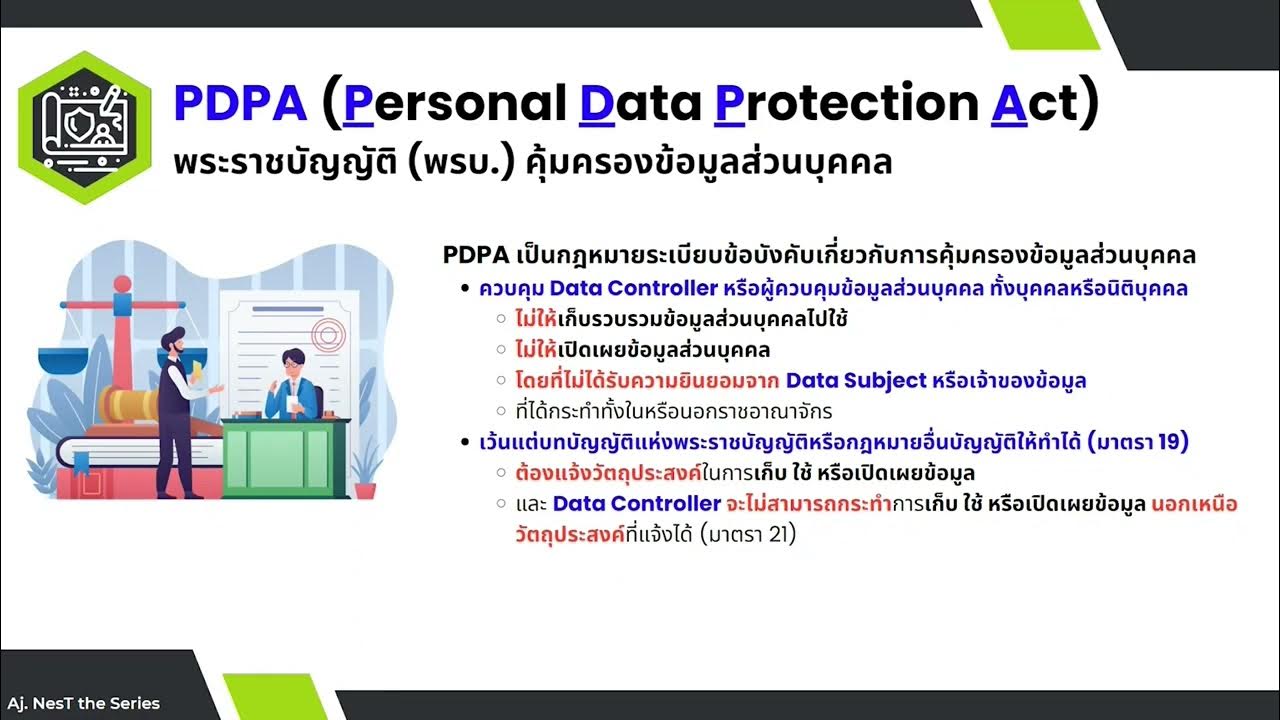
คอร์สเรียน PDPA พรบ.คุ้มครองข้อมูลส่วนบุคคล EP.2 ความหมายของ PDPA คืออะไร
PDPA for GDPO I ep.1 PDPA Introduction กฎหมายคุ้มครองข้อมูลส่วนบุคคล
5.0 / 5 (0 votes)

