Fastest way to KILL Corruption in India? Lessons from Singapore : Case study
Summary
TLDRThis video examines the ongoing corruption in India despite Prime Minister Modi’s anti-corruption promises, contrasting it with the remarkable transformation of Singapore under Lee Kuan Yew. The script highlights the need for better governance in India, drawing lessons from Singapore’s success in eliminating corruption through high-level deterrents, transparent elections, and fair compensation for public officials. It argues that India's political system is flawed due to the high cost of elections, which incentivizes corruption. By adopting Singapore’s approach, India could potentially overcome its corruption challenges and become a prosperous, developed nation.
Takeaways
- 😀 Modi's promise to eliminate corruption in India remains largely unfulfilled, as corruption persists at all levels, from traffic police to ministers.
- 😀 Despite the government's claims, India ranks poorly on global corruption indexes, with Transparency International placing India 96th out of 180 countries.
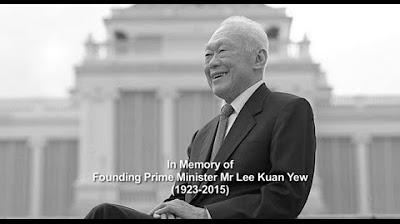
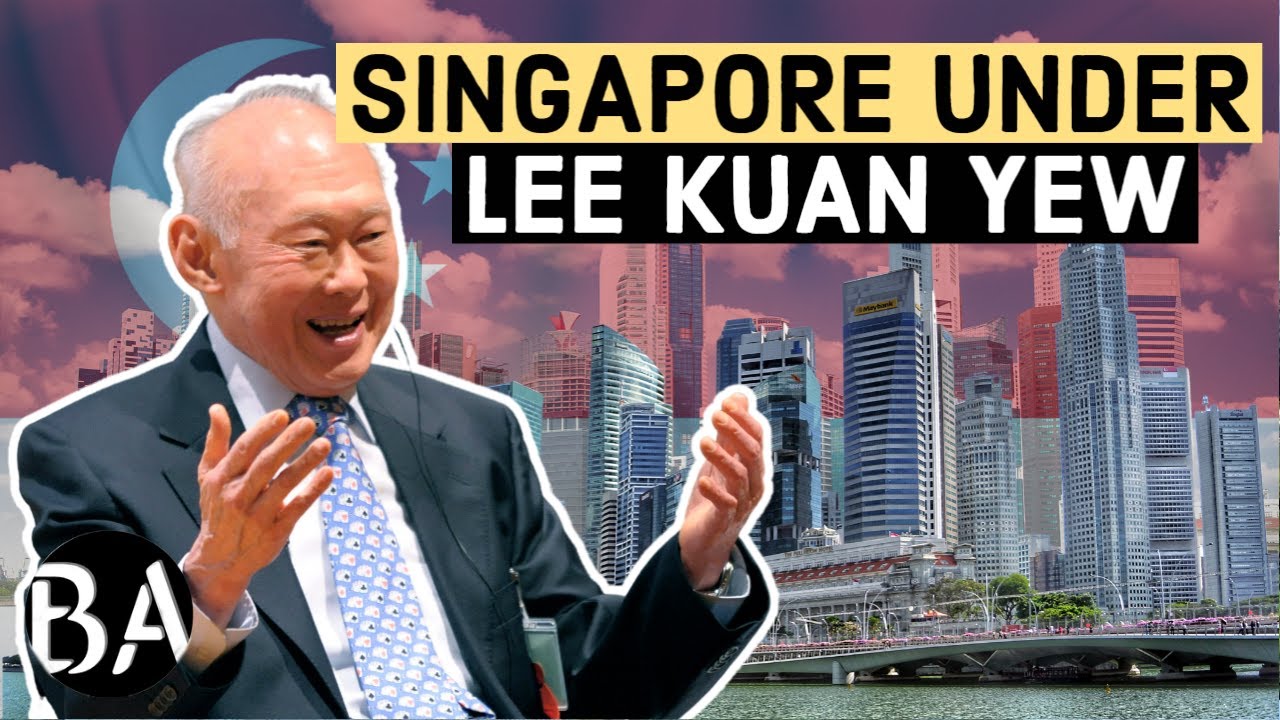
- 😀 Singapore, once a highly corrupt and impoverished nation, successfully eliminated corruption under the leadership of Lee Kuan Yew, transforming it into a prosperous, corruption-free country.
- 😀 Lee Kuan Yew's government in Singapore focused on building trust by symbolizing integrity—refusing luxurious perks like the official prime minister's bungalow.
- 😀 The importance of deterrence is emphasized in game theory: a law’s effectiveness is determined by the probability of being caught, not just its severity.
- 😀 In India, legal institutions like the CBI and ED are hindered by bureaucratic controls and political influence, which reduce their ability to fight corruption effectively.
- 😀 Lee Kuan Yew created an independent and powerful anti-corruption agency, the Corrupt Practices Investigation Bureau (CPIB), which operates with a 99% conviction rate and swift trials.
- 😀 Singapore’s strict laws, such as asset forfeiture when wealth cannot be explained, prevent corruption by making it harder for offenders to hide ill-gotten gains.
- 😀 The salary structure of Singaporean politicians is tied to the private sector to ensure they receive market-value pay, making bribery less attractive.
- 😀 India's expensive election system incentivizes corruption, with politicians often needing to recoup huge investments made during campaigns, whereas Singapore caps campaign expenses to prevent this.
- 😀 Singapore’s rise from a slum-ridden, poor country to a wealthy metropolis shows that a corruption-free government can lead to economic prosperity and societal transformation.
Q & A
What was Narendra Modi's promise when he became India's Prime Minister?
-Narendra Modi promised to eliminate corruption from India when he became Prime Minister, but despite his efforts, corruption remains widespread at all levels of government.
What are India's rankings according to Transparency International and the World Justice Project?
-India is ranked 96th out of 180 countries by Transparency International and 79th out of 142 countries by the World Justice Project, reflecting the high levels of corruption in the country.
What is the 'hafta system' mentioned in the video?
-The 'hafta system' refers to the practice of paying bribes to avoid punishment for illegal activities, similar to the way corruption works in India, where even low-level officials demand bribes.
How was Singapore in terms of corruption before Lee Kuan Yew's leadership?
-Before Lee Kuan Yew became Prime Minister, Singapore was plagued by corruption, with bribery and illegal activities being so common that there was even a rate card for bribes.
What are the key differences between India and Singapore's governance, according to the video?
-The key differences include the level of government transparency, the efficiency in tackling corruption, the high salaries for government officials in Singapore, and the strict regulations on election spending in Singapore, all of which contributed to Singapore's transformation into a corruption-free nation.
What strategy did Lee Kuan Yew use to signal his commitment to honesty?
-Lee Kuan Yew rejected living in a luxurious government bungalow, symbolizing his commitment to not indulging in unnecessary luxury while the general population lived in poverty. This action set an example for future leaders in Singapore.
How does deterrence theory play a role in Singapore's anti-corruption efforts?
-In Singapore, the certainty of being caught for corruption is much higher than in India. This is because of a system where government bodies, like the Corrupt Practices Investigation Bureau (CPIB), can arrest individuals without requiring a judge’s approval, resulting in a 99% conviction rate.
What is the impact of Singapore's approach to paying public servants?
-Singapore pays its ministers salaries comparable to high-level private-sector positions, which eliminates the need for corruption. For example, the Prime Minister earns $2.2 million annually, making it financially unnecessary for them to engage in bribery.
How does India’s election spending compare to Singapore's?
-In India, election spending can range from 10 to 50 crores, which encourages bribery to recover the costs. In contrast, Singapore strictly limits spending to $4 to $5 per voter, making it harder to resort to illegal methods to win elections.
What lessons can India learn from Singapore's approach to governance?
-India can learn the importance of paying government officials competitive salaries, ensuring certainty in the punishment of corruption, and implementing stricter controls on election spending to reduce the incentive for corruption. These lessons can help create a corruption-free environment in India.
Outlines

Dieser Bereich ist nur für Premium-Benutzer verfügbar. Bitte führen Sie ein Upgrade durch, um auf diesen Abschnitt zuzugreifen.
Upgrade durchführenMindmap

Dieser Bereich ist nur für Premium-Benutzer verfügbar. Bitte führen Sie ein Upgrade durch, um auf diesen Abschnitt zuzugreifen.
Upgrade durchführenKeywords

Dieser Bereich ist nur für Premium-Benutzer verfügbar. Bitte führen Sie ein Upgrade durch, um auf diesen Abschnitt zuzugreifen.
Upgrade durchführenHighlights

Dieser Bereich ist nur für Premium-Benutzer verfügbar. Bitte führen Sie ein Upgrade durch, um auf diesen Abschnitt zuzugreifen.
Upgrade durchführenTranscripts

Dieser Bereich ist nur für Premium-Benutzer verfügbar. Bitte führen Sie ein Upgrade durch, um auf diesen Abschnitt zuzugreifen.
Upgrade durchführenWeitere ähnliche Videos ansehen



5.0 / 5 (0 votes)

