The Economy of the Soviet Union
Summary
TLDRThe video explores the economic history of the Soviet Union, highlighting its socialist system, centrally planned economy, and the lasting lessons it holds for the world today. It discusses the flaws in Stalin's five-year plans, the mismanagement of resources, lack of worker incentives, and the inefficiency that plagued the system. The Soviet Union's emphasis on quantity over quality, its obsession with industrial output, and its eventual downfall serve as a cautionary tale about the dangers of political ideologies clashing with sound economic theory. The video also compares Soviet failures to issues found in capitalist economies.
Takeaways
- 😀 The Soviet Union was one of the most influential socialist economies of the 20th century, with lasting global implications even after its collapse in 1991.
- 😀 The Russian Revolution of 1917 aimed to overthrow an extremely unequal society, with the workers seizing control of the means of production.
- 😀 Joseph Stalin's Five-Year Plans, starting in 1928, were central to Soviet economic policy, focusing on heavy industry and food production, but suffered from misreporting and unrealistic targets.
- 😀 A major flaw of the Soviet system was the lack of worker incentives, leading to widespread inefficiency and idleness, similar to issues in capitalist systems.
- 😀 Resource mismanagement was rampant in the Soviet Union, with political ideologies often dictating economic decisions, leading to waste and inefficiency.
- 😀 The Soviet government would allocate excessive resources to underperforming industries to meet politically set targets, creating inefficiencies and suboptimal outcomes.
- 😀 The Soviet Union’s obsession with producing tools and machinery to increase industrial output came at the expense of consumer goods, lowering quality of life for citizens.
- 😀 Despite its inefficiencies, the sheer scale of Soviet industrial output made it a major player during World War II, winning key battles due to volume rather than quality.
- 😀 After Stalin’s death, Soviet leaders tried to shift focus towards improving citizens' quality of life but faced the challenge of entrenched inefficient economic systems.
- 😀 The Soviet Union remained the second-largest economy by GDP until its collapse, but this was misleading, as the country was struggling to meet basic needs for its population.
- 😀 The fall of the Soviet Union highlights the dangers of aligning economic policy with political ideology rather than sound economic principles, with lessons applicable to both socialist and capitalist systems.
Q & A
What was the primary economic system in the Soviet Union?
-The Soviet Union operated under a socialist economic system, characterized by centralized planning where the government controlled the means of production and set production targets for various industries.
How did the Soviet Union’s five-year plans influence its economy?
-The five-year plans, initiated by Joseph Stalin, were aimed at industrializing the nation, focusing on heavy industry and food production. However, these plans often had unrealistic production targets, which led to resource mismanagement, inefficiencies, and falsified output figures.
What was the major flaw in the Soviet Union's economic planning?
-The major flaw was the misalignment of political ideologies with sound economic theory. The Soviet Union's focus on achieving specific outputs through political control over resources led to inefficiencies, such as the overproduction of capital goods and the underproduction of consumer goods.
Why was there little incentive for workers to improve productivity in the Soviet Union?
-In the socialist system of the Soviet Union, resources were allocated based on need, and individual workers had limited control over their rewards. This lack of personal financial incentive for extra effort, similar to salaried workers in capitalist systems, led to widespread idleness and low productivity.
How did Stalin’s economic policies impact the quality of life in the Soviet Union?
-Stalin's policies prioritized industrial output, often at the expense of consumer goods and quality of life. For example, while there was an emphasis on producing capital goods like machinery, the production of goods that could improve living standards, like consumer items, was neglected.
What role did political ideology play in the Soviet Union’s economic decision-making?
-Political ideology, particularly Marxist-Leninist principles, played a central role in economic decisions, often overriding sound economic reasoning. This led to inefficient resource allocation, such as the production of unnecessary capital goods instead of consumer goods that would improve living standards.
What was the Soviet Union’s strategy during World War II to overcome its military limitations?
-During World War II, the Soviet Union leveraged its ability to mass-produce military equipment, such as tanks, to compensate for the inferior quality of its tanks compared to Germany’s. The sheer volume of Soviet tanks allowed them to win battles like the Battle of Kursk through numbers, rather than superior quality.
How did the Soviet Union’s obsession with quantity over quality affect its economy?
-The focus on quantity over quality in the Soviet Union led to overproduction in certain sectors without improving living standards. While industrial output grew, the lack of focus on consumer goods and quality of life led to widespread dissatisfaction and inefficiencies.
What were the long-term effects of the Soviet Union’s economic policies after Stalin’s death?
-After Stalin’s death, the Soviet Union began experimenting with more liberal economic policies aimed at improving the standard of living for its citizens. However, inefficiencies persisted, and the economy continued to stagnate, ultimately leading to the Soviet Union's collapse in 1991.
How did the Soviet Union’s economy compare to capitalist economies during its existence?
-Although the Soviet Union was the second-largest economy in terms of GDP for much of its existence, its economic model was not sustainable. It faced massive inefficiencies, resource mismanagement, and a focus on quantity over quality, which made it unable to provide for its citizens effectively, despite appearing strong on paper.
Outlines

Dieser Bereich ist nur für Premium-Benutzer verfügbar. Bitte führen Sie ein Upgrade durch, um auf diesen Abschnitt zuzugreifen.
Upgrade durchführenMindmap

Dieser Bereich ist nur für Premium-Benutzer verfügbar. Bitte führen Sie ein Upgrade durch, um auf diesen Abschnitt zuzugreifen.
Upgrade durchführenKeywords

Dieser Bereich ist nur für Premium-Benutzer verfügbar. Bitte führen Sie ein Upgrade durch, um auf diesen Abschnitt zuzugreifen.
Upgrade durchführenHighlights

Dieser Bereich ist nur für Premium-Benutzer verfügbar. Bitte führen Sie ein Upgrade durch, um auf diesen Abschnitt zuzugreifen.
Upgrade durchführenTranscripts

Dieser Bereich ist nur für Premium-Benutzer verfügbar. Bitte führen Sie ein Upgrade durch, um auf diesen Abschnitt zuzugreifen.
Upgrade durchführenWeitere ähnliche Videos ansehen
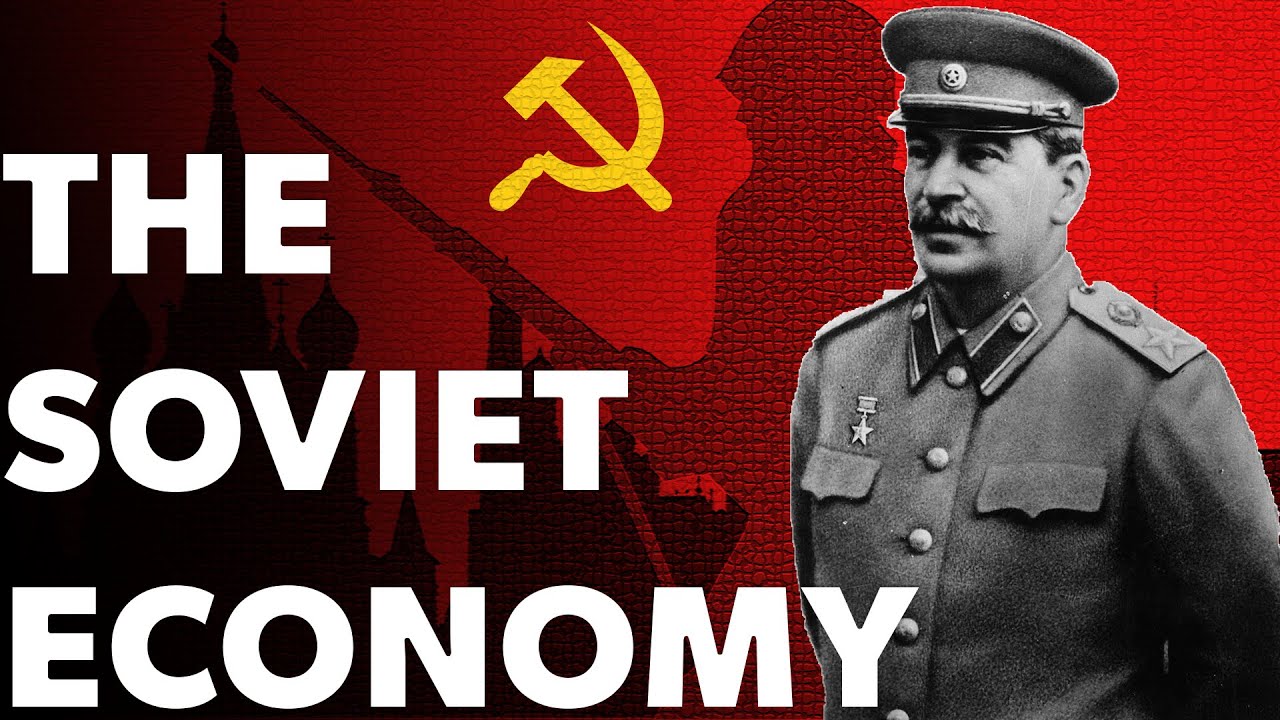
Soviet Style Economics Was Insane and Here’s Why

Sistema político-econômico socialista
O MUNDO BIPOLAR (GEOGRAFIA)

Ideology of the Cold War: Capitalism vs Communism
O que foi a União Soviética e como ela se dissolveu em 15 repúblicas independentes

Kenapa Negara Besar Bisa Hancur.?? Sejarah dan Fakta Penyebab Runtuhnya Negara Yugoslavia di Eropa
5.0 / 5 (0 votes)

