Podcast Mahasiswa "Penurunan Penggunaan Bahasa Indonesia"
Summary
TLDRThis podcast discusses the decline in the use of formal Indonesian, particularly among younger generations (Gen Z and Alpha), who are increasingly using slang and mixed language (Indonesian-English) on social media. The conversation explores the impact of globalization, social media influencers, and the need for language preservation. It highlights the consequences of reduced proficiency in formal language, especially in academic and professional contexts. The speakers suggest improving literacy, promoting cultural pride, and raising awareness about the importance of formal Indonesian to maintain communication clarity and national identity.
Takeaways
- 😀 The podcast discusses the decline in the use of formal Indonesian among younger generations, especially Generation Z and Alpha, who often use slang or informal language on social media.
- 😀 Language is seen as both a tool for communication and an expression of cultural identity, with the Indonesian language representing the nation's identity and soul.
- 😀 The increasing use of slang and informal language on social media is linked to the influence of globalization, with platforms like Instagram and TikTok playing a significant role in this shift.
- 😀 The trend of using informal language is not new; even in the era of BlackBerry Messenger (BBM), there were language trends like 'que' that reflected a growing influence of global cultures.
- 😀 The use of informal language can negatively affect formal language skills, especially in academic settings, where proper language is essential for writing reports and essays.
- 😀 According to research, 30% of Indonesian teenagers struggle with writing in formal Indonesian due to the widespread use of slang and informal language.
- 😀 While informal language has benefits in daily conversations, such as ease of use, it can lead to misunderstandings when used in formal or professional contexts.
- 😀 In academic fields, such as medicine, proper language use is critical for clear communication, especially when interacting with patients from various regions who may not speak the local dialect.
- 😀 The podcast emphasizes that language is not just a communication tool but also shapes how individuals think and process information.
- 😀 Solutions proposed include improving literacy in Indonesia by encouraging reading and the use of formal language, as well as promoting mindful media consumption to reduce the influence of informal language trends.
Q & A
What is the main topic of the podcast discussed in the script?
-The main topic is the decline in the use of formal Indonesian language among the younger generations, particularly Generation Z and Alpha, who often use slang and informal language in social media.
Why is language considered more than just a tool for communication?
-Language is also a form of self-expression and an essential part of cultural identity. It reflects the values, traditions, and history of a community or nation.
What role does globalization play in the decline of formal Indonesian usage?
-Globalization, especially through social media and influencers, introduces and normalizes foreign elements like English and slang. This has led younger generations to prefer informal, mixed-language communication.
How does the podcast suggest that language influences people's identity?
-Language is described as a reflection of cultural identity and heritage. When people use informal language or mix languages, it can result in a loss of cultural identity, especially when it displaces the formal, culturally significant version of the language.
What was the phenomenon with BBM (BlackBerry Messenger) that the podcast hosts mention?
-The hosts reflect on how, during the era of BBM, young people used informal language, abbreviations, and slang to communicate. This trend is cited as an early example of the shift towards informal language usage that continues today.
What are the consequences of the widespread use of informal language on formal language skills?
-The podcast explains that over-reliance on informal language leads to a decline in formal writing and speaking skills. This is particularly problematic in academic or professional settings where clear, formal language is required.
How does the decline in formal language affect students and their academic work?
-The decline in the use of formal language has led to a reduction in students' ability to write proper essays, research papers, or reports. This is problematic because it affects their academic performance and ability to communicate in professional settings.
Why is it important for students, especially in fields like medicine, to master formal language?
-In fields like medicine, formal language proficiency is crucial for clear communication with patients, colleagues, and in written work. Miscommunication due to informal language can lead to misunderstandings and affect the quality of care or collaboration.
What solutions are proposed to address the decline in formal language usage?
-The podcast suggests improving literacy by encouraging more reading of formal texts, curating content that uses proper language, and educating the younger generation about the importance of maintaining both informal and formal language skills.
How does the use of formal language relate to critical thinking and intellectual development?
-The podcast argues that formal language is closely tied to structured thinking. The more proficient someone is in using formal language, the sharper their ability to think and express complex ideas clearly. A decline in formal language usage can lead to weaker cognitive development and communication skills.
Outlines

Dieser Bereich ist nur für Premium-Benutzer verfügbar. Bitte führen Sie ein Upgrade durch, um auf diesen Abschnitt zuzugreifen.
Upgrade durchführenMindmap

Dieser Bereich ist nur für Premium-Benutzer verfügbar. Bitte führen Sie ein Upgrade durch, um auf diesen Abschnitt zuzugreifen.
Upgrade durchführenKeywords

Dieser Bereich ist nur für Premium-Benutzer verfügbar. Bitte führen Sie ein Upgrade durch, um auf diesen Abschnitt zuzugreifen.
Upgrade durchführenHighlights

Dieser Bereich ist nur für Premium-Benutzer verfügbar. Bitte führen Sie ein Upgrade durch, um auf diesen Abschnitt zuzugreifen.
Upgrade durchführenTranscripts

Dieser Bereich ist nur für Premium-Benutzer verfügbar. Bitte führen Sie ein Upgrade durch, um auf diesen Abschnitt zuzugreifen.
Upgrade durchführen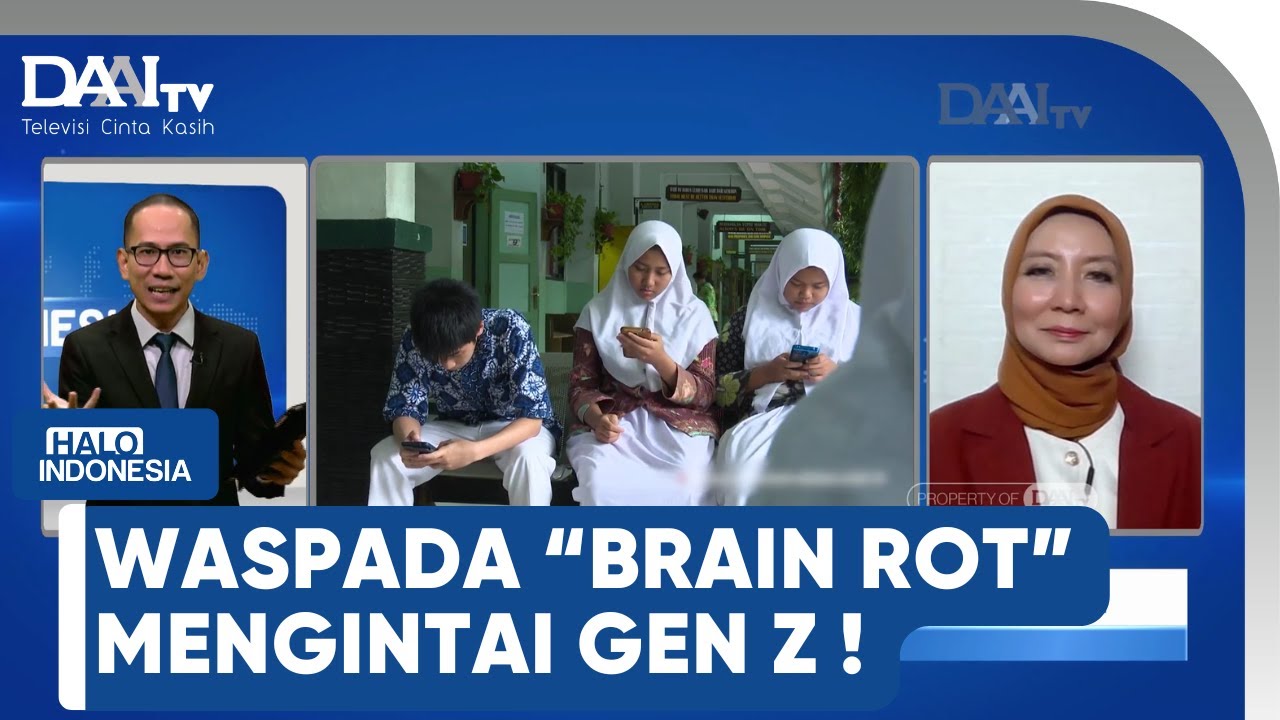




5.0 / 5 (0 votes)

