Little Women Movie vs Books: MAJOR Differences Revealed
Summary
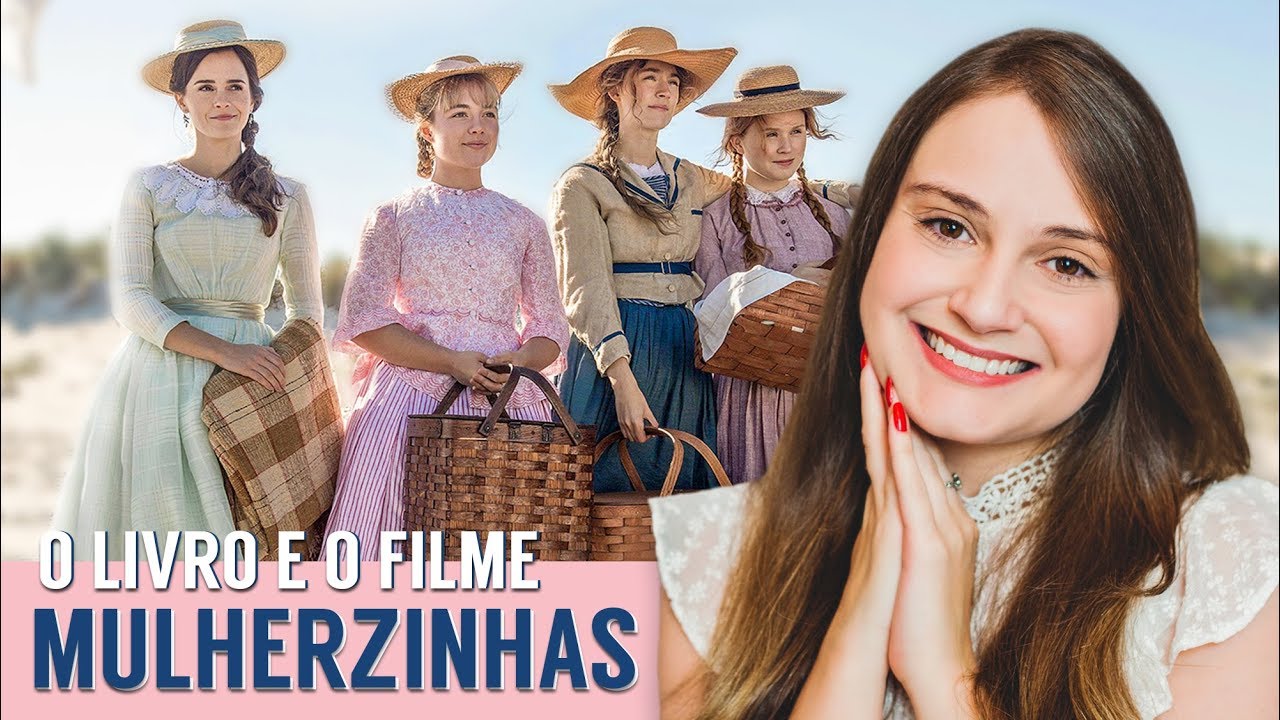
TLDRThis video explores the differences between Louisa May Alcott's *Little Women* and Greta Gerwig's 2019 film adaptation. The speaker compares the March sisters' appearances and personalities, highlighting key changes like Gerwig's nonlinear storytelling, the modernization of feminist themes, and character development. The video also delves into the shifts in major plot points, such as Amy's transformation and Joe’s career ambitions. The analysis weighs the strengths and weaknesses of the film, ultimately concluding that while the movie has modern appeal, the book remains the superior version for its depth and timelessness. The viewer is encouraged to share their thoughts on the adaptation.
Takeaways
- 📚 The script compares Louisa May Alcott’s novel *Little Women* with Greta Gerwig’s 2019 film adaptation, focusing on character portrayals and narrative changes.
- 🎭 The March sisters’ physical descriptions differ between book and film, though their core personalities are largely preserved.
- ✨ Saoirse Ronan’s Jo captures the character’s spirit, even though her appearance differs from the book’s tall, tan depiction.
- 🌸 Florence Pugh’s Amy is portrayed as more sympathetic and emotionally complex in the film than in the novel.
- 🧭 The film uses a nonlinear narrative structure, unlike the book’s chronological progression from childhood to adulthood.
- 👵 Aunt March has a larger, more direct presence in the movie, while she is more distant and often off-page in the novel.
- 🎹 Mr. Lawrence’s role is reduced in the film, though key moments like gifting Beth the piano remain.
- 💔 Laurie is more developed in the movie and shown interacting meaningfully with all four sisters rather than primarily with Jo.
- 📝 The film’s ending is more ambiguous, suggesting Jo may have written a romantic ending to satisfy publishers rather than reflecting her real life.
- ♀️ Gerwig’s adaptation emphasizes feminist themes, highlighting women’s ambitions, financial realities, and authorship.
- 🔄 The nonlinear storytelling can be confusing for viewers unfamiliar with the book, making it a noted weakness of the film.
- 👧 By focusing more on adulthood, the movie omits several childhood lessons and moral developments present in the novel.
- 🏆 The script ultimately concludes that while the film is strong and modern, the book remains the more complete and nuanced version of the story.
Q & A
What are the key differences between the book and the movie adaptation of *Little Women* in terms of character appearance?
-In the book, the March sisters have distinct physical traits: Joe is tall, thin, and tan with large hands and feet; Meg is plump with large eyes; Amy is a pale 'snow maiden' with blue eyes and curly blonde hair; and Beth is described as rosy, smooth-haired, and bright-eyed. In the movie, the characters are not exactly as described: Joe is of average height with small hands, Meg is not as plump, Amy has hazel eyes, and Beth's physical traits align more closely with the book. Laurie, who is described as having brown skin and curly chestnut hair in the book, is portrayed with pale skin and wavy black hair in the film.
How does Greta Gerwig's film adaptation of *Little Women* differ in terms of narrative structure compared to the original book?
-The movie uses a nonlinear narrative, jumping between the March sisters' childhood and adulthood, while the book follows a more traditional, chronological structure. The film starts with Joe as an adult trying to publish her novel, which leads to flashbacks depicting earlier moments in the sisters' lives. This approach contrasts with the book's straightforward progression.
What role does Aunt March play in the movie versus the book?
-In the book, Aunt March is a more distant character, representing traditional views, and her interactions with the March sisters are often conveyed indirectly. In the movie, however, Aunt March, played by Meryl Streep, is a more visible character who directly interacts with the sisters and is openly critical of their lives and choices.
How is Laurie’s character different in the movie compared to the book?
-In the novel, Laurie is focused primarily on Joe, whereas in the movie, his relationships with all four March sisters are explored more deeply. His character is given more screen time and depth, showing interest in each of the sisters, not just Joe.
How is Amy's character depicted differently in the movie adaptation compared to the book?
-In the book, Amy is portrayed as selfish, spoiled, and focused on marrying Laurie, even though she knows he is in love with Joe. The movie gives Amy more complexity, making her a more sympathetic character. She is shown as someone who desires her own happiness and is treated as an important, well-rounded character, rather than just the spoiled younger sister.
What is the significance of the ending in the movie adaptation, and how does it differ from the book's ending?
-The movie's ending is open-ended, where Joe adds a traditional ending to her novel—her character marries Friedrich—though it’s unclear if this is part of the actual story or just for her book's publication. In contrast, the book ends with Joe definitively marrying Friedrich Bear, accepting a traditional role as a wife and mother, which was expected at the time.
What are the strengths of Greta Gerwig's adaptation of *Little Women*?
-The movie is praised for its feminist themes, showcasing the March sisters' determination to succeed on their own terms. It also incorporates meta-commentary on storytelling from a female perspective, highlighting the challenges women face in the literary world. The movie modernizes some elements of the characters, like Joe being a promising writer, and explores themes of artistic expression versus commercial success.
What are the weaknesses of the film adaptation of *Little Women*?
-One major weakness is the nonlinear narrative, which can be confusing for viewers unfamiliar with the book, as there are no clear visual cues for when scenes transition between past and present. Additionally, by focusing on the March sisters as adults, the film oversimplifies their childhoods, leaving out key lessons and character-building moments from their younger years.
Why does the speaker prefer the book over the film adaptation?
-The speaker prefers the book because it offers a deeper, more comprehensive exploration of the March sisters' evolution from childhood to adulthood. The novel's themes, intelligence, and wit are seen as timeless, making it a more satisfying experience for the reader. The speaker feels the movie, while effective in its own right, cannot capture the full depth and richness of the original novel.
What role does the theme of feminism play in the movie adaptation of *Little Women*?
-Feminism is a central theme in the movie, with the film presenting the March sisters as determined individuals who seek to define their own futures, independent of societal expectations. The movie explores how Joe and her sisters challenge traditional gender roles, with Joe specifically shown as an aspiring writer who values her career over marriage, something that was not typical for women at the time.
Outlines

Dieser Bereich ist nur für Premium-Benutzer verfügbar. Bitte führen Sie ein Upgrade durch, um auf diesen Abschnitt zuzugreifen.
Upgrade durchführenMindmap

Dieser Bereich ist nur für Premium-Benutzer verfügbar. Bitte führen Sie ein Upgrade durch, um auf diesen Abschnitt zuzugreifen.
Upgrade durchführenKeywords

Dieser Bereich ist nur für Premium-Benutzer verfügbar. Bitte führen Sie ein Upgrade durch, um auf diesen Abschnitt zuzugreifen.
Upgrade durchführenHighlights

Dieser Bereich ist nur für Premium-Benutzer verfügbar. Bitte führen Sie ein Upgrade durch, um auf diesen Abschnitt zuzugreifen.
Upgrade durchführenTranscripts

Dieser Bereich ist nur für Premium-Benutzer verfügbar. Bitte führen Sie ein Upgrade durch, um auf diesen Abschnitt zuzugreifen.
Upgrade durchführenWeitere ähnliche Videos ansehen
O Livro Mulherzinhas de Louise May Alcott e o Filme Adoráveis Mulheres l Little Women

The Untold Story of Louisa May Alcott: Beyond Little Women

The Real Meaning of Barbie (And That Surprise Ending) | Feminism Series

Why The Little Prince (2015) is a Perfect Adaptation

I Know What You Did Last Summer: What Happened To This Adaptation?

Digital SAT Reading Tips: Which Quotation Most Effectively Illustrates the Claim?
5.0 / 5 (0 votes)

