This Cholesterol Study Was Buried for 40 Years… The Results Are Shocking
Summary
TLDRIn this video, Dr. Eric Westman explores the Minnesota Coronary Experiment, a 1970s study on cholesterol-lowering diets that was buried for decades. The study found that lowering cholesterol by replacing saturated fats with polyunsaturated fats actually increased mortality, challenging conventional wisdom. Despite reducing cholesterol, the diet led to more heart attacks and deaths, a finding hidden due to its inconvenient results. Dr. Westman stresses the importance of humility in nutrition science, urging caution in making broad dietary recommendations without fully understanding the complex evidence.
Takeaways
- 😀 The Minnesota Coronary Experiment (1968-1973) was a randomized, controlled trial that aimed to assess the impact of cholesterol-lowering diets on heart health.
- 😀 The study involved 9,423 participants and included rigorous dietary control, allowing researchers to assess the effects of diet on cholesterol and heart disease outcomes.
- 😀 The main objective of the study was to test if replacing saturated fats (like butter) with unsaturated fats (like vegetable oil) would reduce heart disease and death rates.
- 😀 Despite successfully lowering cholesterol by 13.8% in the experimental group, the diet did not improve health outcomes; in fact, it resulted in a higher mortality rate.
- 😀 A 22% higher risk of death was found for every 30 mg/dL reduction in cholesterol, showing that lowering cholesterol with a low-saturated fat diet was linked to increased mortality.
- 😀 Autopsy data from the study revealed that the vegetable oil diet group experienced twice as many heart attacks compared to the control group, contradicting the expected benefits of cholesterol reduction.
- 😀 The study's results were not published for decades, leading to speculation about why the findings were hidden, potentially due to a conflict with prevailing dietary guidelines and assumptions.
- 😀 Ancel Keys, a prominent nutrition researcher, was involved in both this trial and the controversial Seven Country Study, which linked saturated fats to heart disease, contributing to the confusion around cholesterol and heart disease.
- 😀 The Minnesota study challenges the long-held belief that lowering cholesterol by reducing saturated fat leads to better heart health, suggesting that the relationship between cholesterol and heart disease is more complex than previously thought.
- 😀 The video emphasizes the importance of humility in scientific research, highlighting the dangers of making sweeping dietary recommendations based on limited or flawed evidence.
- 😀 In conclusion, while the study shows that reducing saturated fat and cholesterol may not always lead to improved outcomes, it also underscores the need for further research to refine our understanding of the relationship between diet, cholesterol, and heart disease.
Q & A
What was the main objective of the Minnesota Coronary Experiment?
-The main objective of the Minnesota Coronary Experiment was to test whether swapping saturated fats (like butter and beef) for unsaturated fats (like vegetable oil) could reduce heart disease and death by lowering cholesterol.
Why was the Minnesota Coronary Experiment not published initially?
-The study's results were not published initially because the outcomes were unexpected and didn't align with the anticipated benefits of cholesterol-lowering diets. Specifically, the cholesterol-lowering diet led to higher mortality, which was not consistent with the prevailing narrative at the time.
What were the unexpected findings of the Minnesota Coronary Experiment?
-The study found that lowering cholesterol by reducing saturated fat actually increased the risk of death. Specifically, there was a 22% higher risk of death for every 30 mg/dL reduction in cholesterol, and the vegetable oil intervention group had twice the rate of heart attacks compared to the control group.
How did the researchers collect data on heart disease in the study?
-The researchers conducted autopsies on a subset of participants after their deaths, which allowed them to examine their arteries for changes in cardiovascular plaque and to confirm whether they had heart attacks.
What is the significance of Ancel Keys in the context of the study?
-Ancel Keys was a well-known nutrition researcher and one of the lead investigators of the Minnesota Coronary Experiment. He was also famous for his controversial 'Seven Country Study,' which linked saturated fat to heart disease, a view that influenced many subsequent dietary recommendations.
Why is the study's design considered rigorous and unique?
-The study was rigorous because it was a blinded randomized control trial, meaning that participants were randomly assigned to either a low saturated fat diet or a control diet. Additionally, the study had a high level of control over participants' diets, which was rare for nutrition trials at the time.
What role did file drawer bias play in the suppression of the study?
-File drawer bias refers to the practice of hiding or not publishing studies with unfavorable or unexpected results. In this case, the Minnesota Coronary Experiment was essentially 'buried' due to its findings, which contradicted the prevailing belief that lowering cholesterol through dietary changes would reduce heart disease.
What does the Minnesota Coronary Experiment teach us about nutrition science?
-The Minnesota Coronary Experiment teaches us that nutrition science is complex and often messy. It reminds us to approach nutritional guidelines with humility and caution, as initial assumptions (like the relationship between cholesterol and heart disease) may not always hold true when subjected to rigorous testing.
What is the lesson learned from the fact that the study's results were buried for decades?
-The lesson is that we must be cautious about assuming that dietary guidelines based on incomplete or flawed data will always lead to positive health outcomes. The buried results emphasize the importance of transparency and the need to reconsider nutrition recommendations in light of new evidence.
What books are recommended for further understanding of the issue with saturated fats and heart disease?
-Two books are recommended: 'Good Calories, Bad Calories' by Gary Taubes and 'The Big Fat Surprise' by Nina Teicholz. These books investigate the evidence behind the dietary guidelines on saturated fats and challenge the assumptions linking fat intake to heart disease.
Outlines

Dieser Bereich ist nur für Premium-Benutzer verfügbar. Bitte führen Sie ein Upgrade durch, um auf diesen Abschnitt zuzugreifen.
Upgrade durchführenMindmap

Dieser Bereich ist nur für Premium-Benutzer verfügbar. Bitte führen Sie ein Upgrade durch, um auf diesen Abschnitt zuzugreifen.
Upgrade durchführenKeywords

Dieser Bereich ist nur für Premium-Benutzer verfügbar. Bitte führen Sie ein Upgrade durch, um auf diesen Abschnitt zuzugreifen.
Upgrade durchführenHighlights

Dieser Bereich ist nur für Premium-Benutzer verfügbar. Bitte führen Sie ein Upgrade durch, um auf diesen Abschnitt zuzugreifen.
Upgrade durchführenTranscripts

Dieser Bereich ist nur für Premium-Benutzer verfügbar. Bitte führen Sie ein Upgrade durch, um auf diesen Abschnitt zuzugreifen.
Upgrade durchführenWeitere ähnliche Videos ansehen
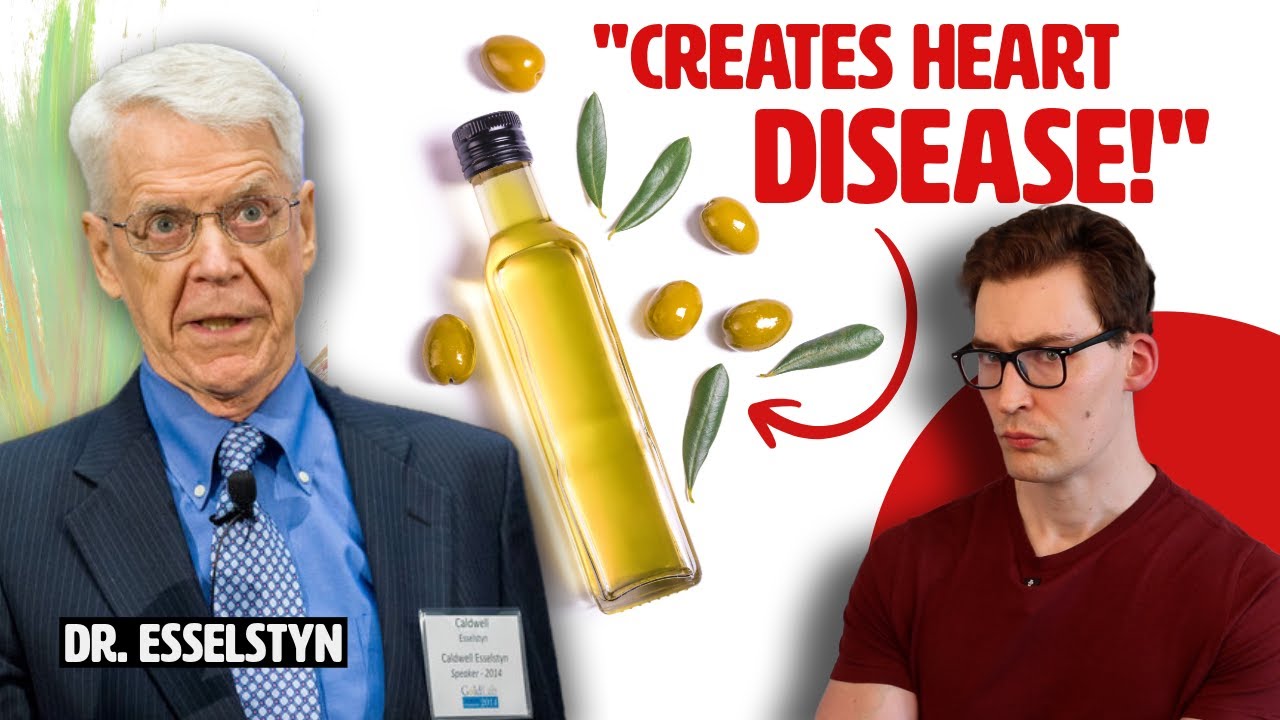
Dr. Esselstyn: “Mediterranean Diet (and Olive Oil) creates Heart Disease!”

How to pass DNB theory | how to prepare dnb theory exam | dnb exam pattern |dnb theory exam papers

Should Letter Grades Be Abandoned?

Think Cultural Health Case Study: Cultural and religious beliefs

Invisalign Braces Fitting Appointment - Orthodontist Explains Each Step! (Including Attachments)

Why Experts are Warning Against Fasting - Dr. Peter Attia, Dr. Rhonda Patrick, Dr. Gabrielle Lyon

#1 Mistake to Avoid When Your Gender Egg Cracks and Why!
5.0 / 5 (0 votes)

