Organization in the human body | Cells and organisms | Middle school biology | Khan Academy
Summary
TLDRThe video highlights the incredible organization of the human body, emphasizing its hierarchical structure. It explains how cells, tissues, organs, and organ systems work together seamlessly to maintain life. From cells forming tissues, tissues forming organs, and organs making up complex organ systems like the respiratory system, each layer plays a vital role. The video encourages viewers to appreciate the complexity and cooperation within the body, reinforcing the idea that this intricate system functions effortlessly to keep us alive.
Takeaways
- 😀 The human body is an incredible system, with numerous functions happening automatically every day, such as breathing, heartbeats, and brain activity.
- 😀 Cells are the smallest units of life and are the building blocks of all living organisms.
- 😀 The human body is organized hierarchically into four levels: cells, tissues, organs, and organ systems.
- 😀 Tissues are collections of similar, specialized cells that work together to carry out specific functions.
- 😀 Epithelial tissue, for example, lines the inside of the mouth and helps protect it from wear and tear.
- 😀 Organs are made up of multiple tissue types working together to perform specific functions.
- 😀 Organ systems consist of multiple organs working together to perform complex functions, such as the respiratory system.
- 😀 The lungs, for example, are made up of epithelial and connective tissues that enable them to function properly within the respiratory system.
- 😀 The respiratory system allows for the exchange of gases, where oxygen is taken in and carbon dioxide is expelled.
- 😀 The four levels of organization—cells, tissues, organs, and organ systems—work in harmony to maintain the body’s overall functioning.
- 😀 Understanding the body's organization is like thinking of Russian nesting dolls: cells inside tissues, tissues inside organs, and organs inside organ systems, all contributing to the complexity of the human body.
Q & A
How does the human body perform basic functions like breathing and circulating blood?
-The human body performs these functions automatically, with the lungs taking in air through breathing, and the heart pumping blood to circulate oxygen and nutrients. This happens without conscious effort, thanks to complex systems in place that regulate them.
What are cells, and why are they important in the human body?
-Cells are the smallest units of life and the basic building blocks of the human body. They carry out vital functions to maintain life, and their organization into tissues, organs, and systems enables complex bodily functions to occur.
What is the hierarchy of organization in the human body?
-The human body is organized in a hierarchical structure, consisting of four levels: cells, tissues, organs, and organ systems. Each level is more complex than the last, with cells forming tissues, tissues forming organs, and organs forming organ systems.
What is the role of epithelial tissue in the human body?
-Epithelial tissue lines body surfaces and cavities, such as the inside of the mouth. It serves protective functions, like shielding the body from wear and tear, and plays an important role in absorbing nutrients and secreting substances.
How do tissues contribute to the function of organs?
-Tissues are made up of specialized cells that work together to perform specific functions. In organs, different types of tissues combine to allow the organ to perform complex roles, such as in the lungs, where epithelial and connective tissues help with breathing.
What is an organ system, and can you give an example?
-An organ system is a group of organs that work together to perform complex functions for the body. For example, the respiratory system, which includes the lungs, trachea, nose, and diaphragm, allows us to breathe and exchange gases.
How do the lungs help with breathing?
-The lungs expand and contract as part of the respiratory system. They work with tissues like epithelial tissue, which helps with gas exchange, bringing in oxygen and removing carbon dioxide, thus supporting respiration.
Why is the hierarchical structure of the body important for its function?
-The hierarchical structure allows for specialization and coordination at each level. Cells have specific functions, tissues are made up of coordinated cells, organs combine multiple tissues to function efficiently, and organ systems ensure that all body processes work in harmony.
What does the analogy of Russian nesting dolls help explain about the human body's organization?
-The Russian nesting doll analogy illustrates how cells, tissues, organs, and organ systems fit together. Each level fits within the next, with cells making up tissues, tissues making up organs, and organs forming organ systems that work together to sustain the body.
What is the significance of the diaphragm in the respiratory system?
-The diaphragm is a muscle that contracts to allow air to flow into the lungs. When it relaxes, air is pushed out during exhalation, making it a crucial component in the process of breathing.
Outlines

Dieser Bereich ist nur für Premium-Benutzer verfügbar. Bitte führen Sie ein Upgrade durch, um auf diesen Abschnitt zuzugreifen.
Upgrade durchführenMindmap

Dieser Bereich ist nur für Premium-Benutzer verfügbar. Bitte führen Sie ein Upgrade durch, um auf diesen Abschnitt zuzugreifen.
Upgrade durchführenKeywords

Dieser Bereich ist nur für Premium-Benutzer verfügbar. Bitte führen Sie ein Upgrade durch, um auf diesen Abschnitt zuzugreifen.
Upgrade durchführenHighlights

Dieser Bereich ist nur für Premium-Benutzer verfügbar. Bitte führen Sie ein Upgrade durch, um auf diesen Abschnitt zuzugreifen.
Upgrade durchführenTranscripts

Dieser Bereich ist nur für Premium-Benutzer verfügbar. Bitte führen Sie ein Upgrade durch, um auf diesen Abschnitt zuzugreifen.
Upgrade durchführenWeitere ähnliche Videos ansehen

Chapter 1 practice questions for Anatomy & Physiology
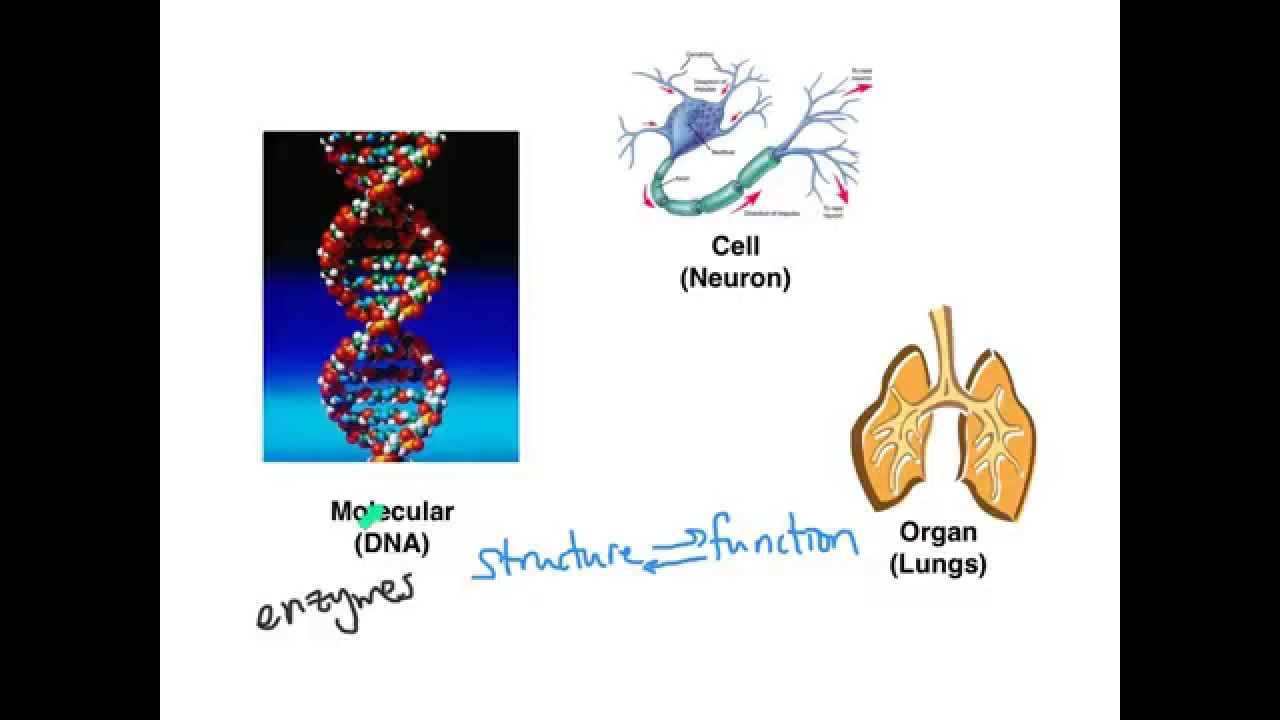
Levels of Biological Organization

Business Organization Part 1
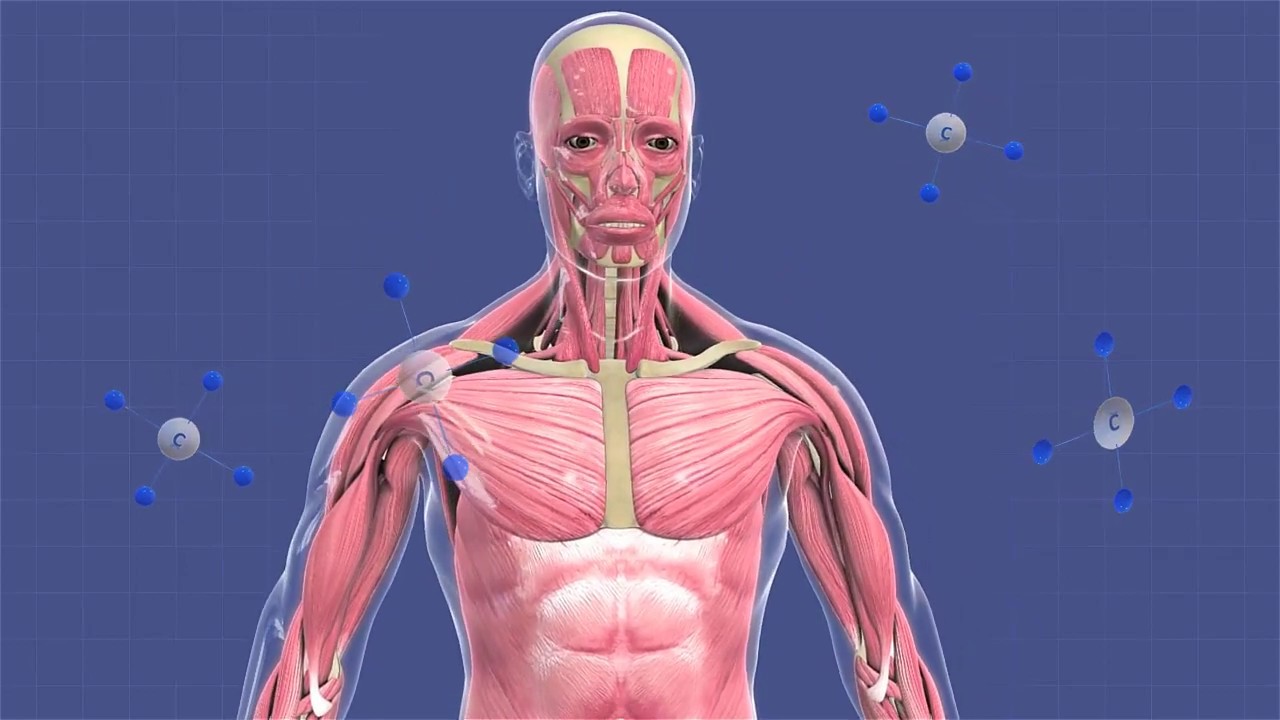
Anatomical Organization of the Human Body From atoms and molecules to the entire organism as a whole

Penjelasan Lengkap Kulit (Sistem Integumen)

◣มสธ.◢ 50102 รายการที่ 1 ตอนที่ 1 ความรู้เกี่ยวกับร่างกายมนุษย์ (1)
5.0 / 5 (0 votes)

