Is It Safe To Microwave Food In Plastic? Know What's In Your Disposable Plastic Containers
Summary
TLDRThe video discusses the safety concerns of using plastic containers for hot food, highlighting the potential risks of chemical leaching when containers are exposed to heat. It explains the role of additives in disposable containers and the impact of high temperatures, oils, and extreme pH levels on plastic safety. The video also touches on microwave-safe plastics, reusable containers, and the importance of choosing high-quality materials. Experts offer advice on selecting safe containers based on their intended use, and the importance of proper labels and trusted manufacturers is emphasized.
Takeaways
- 😀 Disposable plastic containers can leach additives into food when exposed to heat, which may pose health risks over time.
- 🔥 Hot food should be placed in containers designed to withstand high temperatures, such as heat-resistant plastic or microwave-safe containers.
- ⚠️ Deformation, discoloration, or a yellowing patch on plastic containers may indicate that they have overheated and are no longer safe to use.
- 🧪 Animal studies show that excessive exposure to leached additives can affect growth and development, though typical exposure is far below those extreme levels.
- 🥡 Avoid using plastic containers that are not designed for specific conditions, such as heat, extreme pH, or high oil content, as these can break down over time.
- 🔄 Reusable plastic containers are designed for multiple uses and are typically made with stronger materials that resist deformation and degradation.
- ☠️ The risk of additives leaching into food increases with extreme conditions like high heat or spicy food, so it's important to be mindful of what you put in your containers.
- 📊 Look for proper labels on plastic containers, such as microwave-safe labels, FDA certification, and international recycling standards to ensure safety.
- 🔍 Plastic containers labeled for single use are typically made from thinner, weaker materials, while reusable containers are sturdier and designed to withstand more wear and tear.
- 💡 Silicone containers can withstand high temperatures (up to 230°C) and are a great alternative to plastic for heat-resistant and reusable options.
Q & A
Is it safe to put hot food in plastic takeaway containers?
-It depends on the type of plastic. Some containers are heat-resistant and designed for hot food, but others may deform or release harmful additives when exposed to high temperatures. Always check for labels indicating heat resistance or microwave suitability.
How can we tell if a plastic container has been exposed to unsafe heat levels?
-If the container begins to deform, discolor, or develop patches of yellow, it may indicate that it has been exposed to excessive heat and could potentially release harmful substances.
What are the risks of consuming chemicals released from plastic containers?
-Chemicals from plastic containers, such as additives leached from the material, can pose health risks. Animal studies show that these additives can affect development and growth, although extreme concentrations are typically used in lab tests compared to everyday exposure.
Can we safely use plastic containers for an extended period without heat exposure?
-Yes, as long as the containers are not exposed to extreme temperatures, oils, or acidic foods, they can be used safely. However, avoid using containers that have been exposed to heat or high pH, as this can cause degradation and leaching of harmful chemicals.
What makes a plastic container safe for microwaving?
-Plastic containers designed for microwaving are typically labeled with a microwave-safe symbol. Certain types of plastic, like polypropylene (PP), can withstand microwave heat, with some capable of holding up to 140°C.
What do the numbers on plastic containers (e.g., #5) mean?
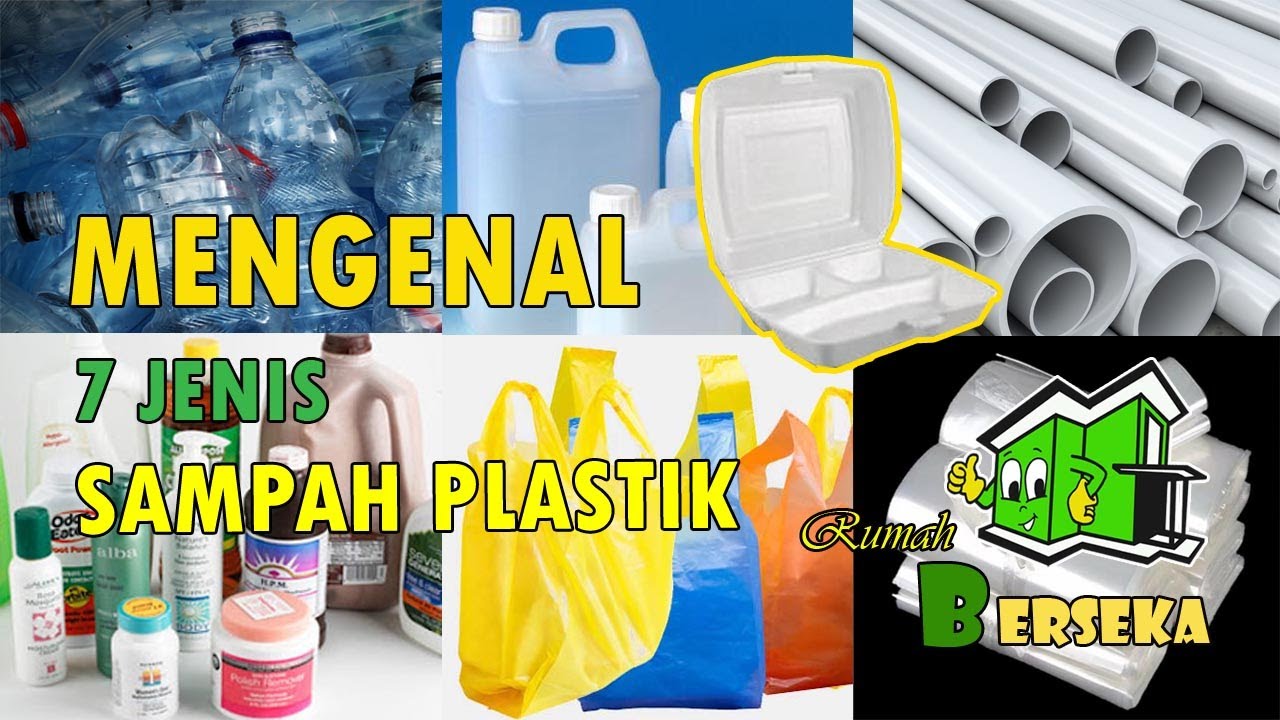
-The numbers on plastic containers indicate the type of plastic resin used. They help identify the material's suitability for specific applications, but they do not specify additives or other components that could affect safety.
What makes a plastic container disposable and intended for one-time use?
-Disposable containers are made from thinner, weaker plastics that are designed for limited use. These materials are often cheaper and cannot withstand the wear and tear of reuse, making them more prone to breakage and leaching.
How are reusable plastic containers different from disposable ones?
-Reusable containers are made from stronger, thicker materials designed to endure physical cleaning and multiple uses. Manufacturers may add resistance to heat, oils, and acids to improve durability and safety.
How can we choose a safe reusable plastic container?
-Consider the container's intended use. If it needs to withstand high temperatures, look for heat-resistant options. Ensure it has a proper international rating and food safety certification, such as an FDA label.
Why should we check the manufacturer's label on reusable containers?
-The manufacturer's label provides essential information, such as material composition, safety ratings, and certifications. This helps ensure the container meets safety standards and is suitable for food storage or heating.
Outlines

Dieser Bereich ist nur für Premium-Benutzer verfügbar. Bitte führen Sie ein Upgrade durch, um auf diesen Abschnitt zuzugreifen.
Upgrade durchführenMindmap

Dieser Bereich ist nur für Premium-Benutzer verfügbar. Bitte führen Sie ein Upgrade durch, um auf diesen Abschnitt zuzugreifen.
Upgrade durchführenKeywords

Dieser Bereich ist nur für Premium-Benutzer verfügbar. Bitte führen Sie ein Upgrade durch, um auf diesen Abschnitt zuzugreifen.
Upgrade durchführenHighlights

Dieser Bereich ist nur für Premium-Benutzer verfügbar. Bitte führen Sie ein Upgrade durch, um auf diesen Abschnitt zuzugreifen.
Upgrade durchführenTranscripts

Dieser Bereich ist nur für Premium-Benutzer verfügbar. Bitte führen Sie ein Upgrade durch, um auf diesen Abschnitt zuzugreifen.
Upgrade durchführenWeitere ähnliche Videos ansehen



5.0 / 5 (0 votes)

