Zaman paleozoikum
Summary
TLDRThe Paleozoic Era, spanning from 541 to 252 million years ago, marked the emergence of life on Earth. This era witnessed significant evolutionary milestones, including the transition of life from ocean to land. It includes six geological periods: Cambrian, Ordovician, Silurian, Devonian, Carboniferous, and Permian. From the explosion of life forms in the Cambrian to the dominance of amphibians and the first reptiles in the Permian, the era saw diverse ecosystems, environmental changes, and mass extinctions that shaped the planet's life. The era ended with the largest mass extinction in Earth's history.
Takeaways
- 😀 The Paleozoic Era spanned from 541 to 252 million years ago and marked the emergence of early life on Earth, beginning in aquatic environments.
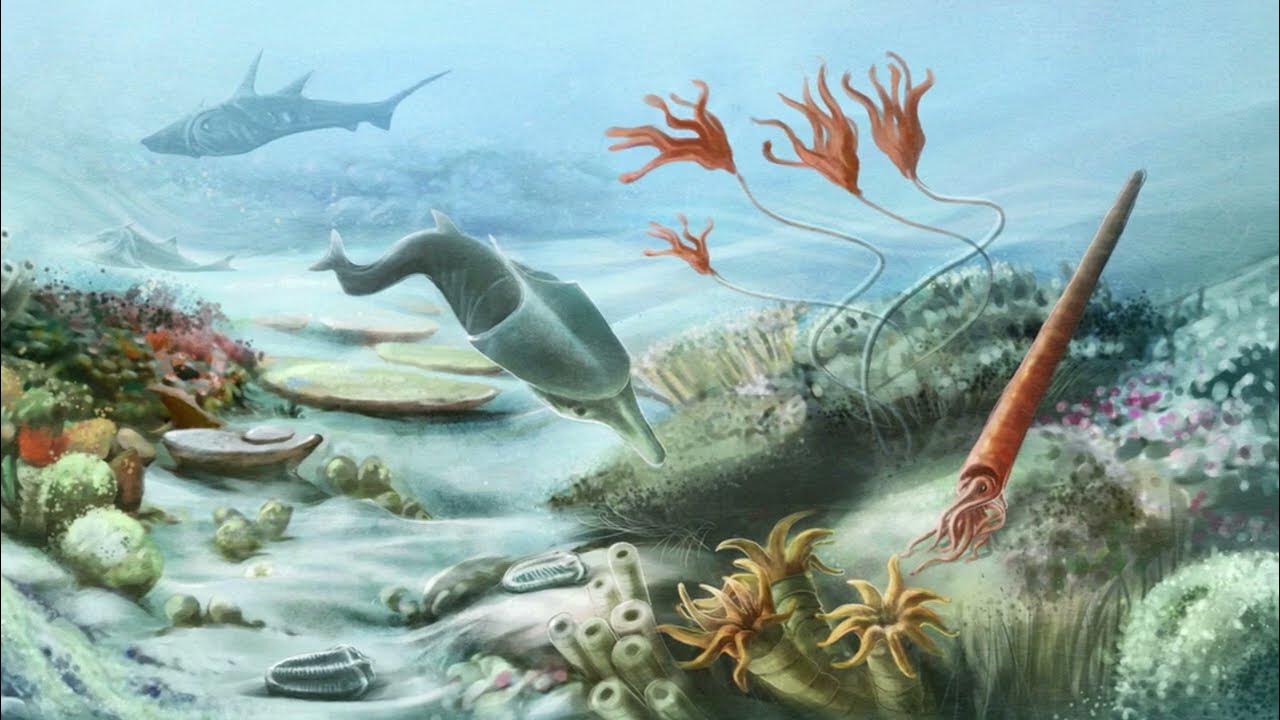
- 😀 Early life forms in the Paleozoic included microorganisms and invertebrates like worms, jellyfish, and other marine animals.
- 😀 The transition from sea to land was a key evolutionary event, leading to the evolution of amphibians from fish.
- 😀 The Paleozoic Era is divided into six geological periods: Cambrian, Ordovician, Silurian, Devonian, Carboniferous, and Permian.
- 😀 The Cambrian period (541–485 million years ago) was marked by an explosion of life, leading to a significant increase in biodiversity, particularly in marine life.
- 😀 The Ordovician period (485–443 million years ago) saw the appearance of the first vertebrates and mass extinction due to climatic changes and glaciation.
- 😀 The Silurian period (443–419 million years ago) marked the appearance of early land plants and animals, including the first vascular plants and the evolution of fish with jaws.
- 😀 The Devonian period (419–359 million years ago) is known as the 'Age of Fish,' with significant fish evolution and the emergence of early amphibians and terrestrial plants.
- 😀 The Carboniferous period (359–299 million years ago) was characterized by the formation of coal deposits, the dominance of amphibians, and the appearance of giant insects and early reptiles.
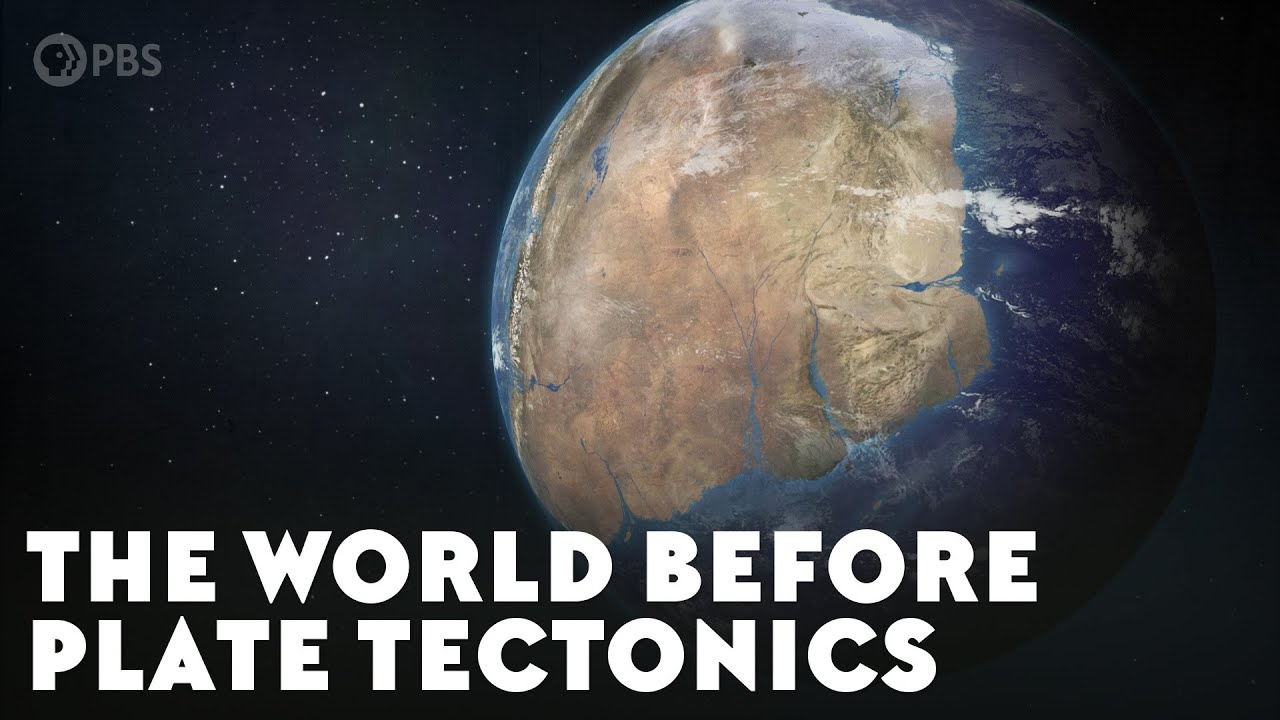
- 😀 The Permian period (299–252 million years ago) was marked by the formation of the supercontinent Pangea, significant climatic changes, and a major mass extinction that ended the Paleozoic Era.
Q & A
What is the Paleozoic Era, and how long did it last?
-The Paleozoic Era is a geologic time period that lasted from approximately 541 to 252 million years ago. It marks the era when life began to emerge and evolve on Earth, starting in aquatic environments and later transitioning to land.
What significant evolutionary event occurred during the Paleozoic Era?
-A major evolutionary event during the Paleozoic Era was the transition from marine to terrestrial life, where marine animals like fish evolved into amphibians capable of living on land.
What were some of the first forms of life to appear during the Cambrian period?
-During the Cambrian period, marine microorganisms and multicellular organisms began to appear, including invertebrates like worms, jellyfish, and trilobites, marking the start of complex life forms on Earth.
What was the significance of the Cambrian Explosion?
-The Cambrian Explosion was a period of rapid diversification of life, leading to the emergence of numerous new species and major groups of animals, significantly increasing biodiversity.
How did the climate and geography change during the Ordovician period?
-The Ordovician period was characterized by a hot climate early on, followed by cooling towards the end, as the supercontinent Gondwana moved toward the South Pole, leading to glaciation and mass extinctions.
What new types of life appeared during the Silurian period?
-During the Silurian period, significant developments included the evolution of jawed fish, the appearance of freshwater fish, and the colonization of land by early arthropods like scorpions and spiders, as well as the first vascular plants.
What were the dominant life forms during the Devonian period?
-The Devonian period, often called the 'Age of Fishes,' saw the evolution of various fish species, including the first true vertebrates. It also saw the emergence of early amphibians and the first seed-bearing plants on land.
Why is the Carboniferous period known as the 'Age of Amphibians'?
-The Carboniferous period is known as the 'Age of Amphibians' due to the dominance of amphibians on land, as well as the significant development of vast swamps and forests that contributed to the formation of coal deposits.
What led to the mass extinction at the end of the Permian period?
-The mass extinction at the end of the Permian period was caused by drastic climate changes, including extreme fluctuations in temperature and oxygen levels, and possibly volcanic activity, leading to the loss of a significant portion of Earth's species.
How did the supercontinent Pangaea form during the Permian period?
-During the Permian period, Earth's landmasses slowly converged to form the supercontinent Pangaea, which surrounded the vast Panthalassa Ocean. This significant geologic event greatly affected the climate and biodiversity of the period.
Outlines

Dieser Bereich ist nur für Premium-Benutzer verfügbar. Bitte führen Sie ein Upgrade durch, um auf diesen Abschnitt zuzugreifen.
Upgrade durchführenMindmap

Dieser Bereich ist nur für Premium-Benutzer verfügbar. Bitte führen Sie ein Upgrade durch, um auf diesen Abschnitt zuzugreifen.
Upgrade durchführenKeywords

Dieser Bereich ist nur für Premium-Benutzer verfügbar. Bitte führen Sie ein Upgrade durch, um auf diesen Abschnitt zuzugreifen.
Upgrade durchführenHighlights

Dieser Bereich ist nur für Premium-Benutzer verfügbar. Bitte führen Sie ein Upgrade durch, um auf diesen Abschnitt zuzugreifen.
Upgrade durchführenTranscripts

Dieser Bereich ist nur für Premium-Benutzer verfügbar. Bitte führen Sie ein Upgrade durch, um auf diesen Abschnitt zuzugreifen.
Upgrade durchführenWeitere ähnliche Videos ansehen



5.0 / 5 (0 votes)

