Apa saja yang Terjadi di Negara Cincin Api? - IPS Kelas 10 - Vulkanisme | GIA Academy
Summary
TLDRThis video explores Indonesia's volcanic activity, explaining why it is known as the 'Ring of Fire.' It delves into the science of volcanism, describing how magma moves beneath the Earth's surface and causes eruptions. Key concepts like lava, lahar, and volcanic gases are discussed, along with the different types of eruptions and their impacts. The video also highlights early warning signs of volcanic eruptions, the benefits and dangers of volcanoes, and the steps taken to mitigate volcanic disasters. Ultimately, it emphasizes the importance of knowledge and preparedness for living in a volcanic region.
Takeaways
- 😀 Indonesia is known as the 'Ring of Fire' because it sits on the junction of highly active tectonic plates, with over 130 active volcanoes, the highest number in the world.
- 🌋 Volcanoes in Indonesia offer both natural beauty (fertile land, hot springs, etc.) and potential danger, especially during eruptions.
- 🔥 Vulkanism is the geological process related to volcanic activity, where magma from beneath the Earth’s surface rises through cracks in the crust.
- 🌋 Magma is a hot, molten substance found deep beneath the Earth's surface, consisting of liquid, solid rock, and gases like sulfur and water vapor.
- 🌋 Volcanic eruptions are driven by convection currents, where high pressure forces magma to rise towards the Earth’s surface through cracks or openings.
- ⛏️ There are two types of magma movement: Intrusive (magmatic movement within the Earth that doesn't reach the surface) and Extrusive (magma that reaches the surface causing eruptions).
- 🗻 Intrusive magma forms structures like batholiths, sills, laccoliths, dykes, and apophyses, which result from magma that cools and solidifies beneath the Earth's surface.
- 🔥 Extrusive magma leads to eruptions, producing materials like lava, lahar (mudflows), pyroclasts (solid volcanic material), and gas emissions.
- 🌍 Volcanoes can erupt in two main types: effusive (slow lava flow with less pressure) and explosive (violent eruptions with significant pressure and material discharge).
- 🧭 Volcanoes can have different eruption styles based on magma and pressure: linear eruptions form multiple volcanoes along cracks, areal eruptions create large craters, and central eruptions form single volcanoes like those in Indonesia.
- 🌋 Signs of a potential volcanic eruption include frequent small earthquakes, drying up of local water sources, rising temperatures around the volcano, and changes in animal behavior.
- 🛑 Post-eruption phenomena like hot springs, geysers, and volcanic gases can become tourist attractions and offer economic benefits. Additionally, volcanic soil is highly fertile, boosting agriculture.
Q & A
Why is Indonesia called the 'Ring of Fire'?
-Indonesia is called the 'Ring of Fire' because it is located along the Pacific Ocean's tectonic plate boundaries, where several tectonic plates meet. This active geological zone leads to high volcanic activity, with over 130 active volcanoes in the country.
What is magma and what does it contain?
-Magma is molten rock located beneath the Earth's surface. It consists of hot liquid, solid rock fragments, silicate liquids, and various gases like water vapor, sulfur gases, hydrochloric acid, and sulfuric acid.
What causes magma to rise to the Earth's surface and cause a volcanic eruption?
-Magma rises due to convection currents caused by differences in pressure within the Earth. Magma from deep within the Earth experiences high pressure, while near the surface, the pressure is lower. This pressure difference pushes magma to the surface, causing volcanic eruptions if the pressure is strong enough.
What is the difference between magma intrusion and extrusion?
-Magma intrusion refers to the movement of magma into Earth's layers without reaching the surface, where it cools and solidifies. Magma extrusion, on the other hand, occurs when magma reaches the surface, usually during an eruption, and flows out as lava.
What are the types of magma intrusion?
-There are several types of magma intrusion, including batolith (large bodies of solidified magma deep within the Earth), sill (horizontal layers of magma), laccolith (magma that causes the overlying rock layers to bulge), gang (narrow magma intrusions), and aplite (small veins of magma).
What are the types of volcanic eruptions?
-Volcanic eruptions can be classified into two main types: effusive eruptions, which are relatively gentle and involve slow lava flows, and explosive eruptions, which are more violent and can launch rocks, ash, and gas into the air.
What are the dangers associated with volcanic eruptions?
-The dangers of volcanic eruptions include lava flows, pyroclastic flows, lahars (volcanic mudflows), volcanic ash, and toxic gases. These can cause damage to infrastructure, harm human health, and disrupt the environment.
What are some benefits of volcanic activity?
-Despite the dangers, volcanic activity has many benefits, such as fertile soil for agriculture, geothermal energy sources, mining for valuable minerals, and tourism opportunities due to unique landscapes and hot springs.
What are the signs that a volcano might erupt soon?
-Signs of an impending eruption include small tremors or earthquakes, the drying up of local water sources, increased temperatures near the volcano, rumbling sounds from within the volcano, and unusual animal behavior, like animals fleeing the area.
What is volcanic mitigation, and how can it help reduce the impact of eruptions?
-Volcanic mitigation involves strategies to reduce the risks associated with volcanic eruptions. These strategies include mapping hazard zones, educating residents, monitoring volcanic activity with scientific tools, and preparing evacuation plans to ensure the safety of local populations.
Outlines

Dieser Bereich ist nur für Premium-Benutzer verfügbar. Bitte führen Sie ein Upgrade durch, um auf diesen Abschnitt zuzugreifen.
Upgrade durchführenMindmap

Dieser Bereich ist nur für Premium-Benutzer verfügbar. Bitte führen Sie ein Upgrade durch, um auf diesen Abschnitt zuzugreifen.
Upgrade durchführenKeywords

Dieser Bereich ist nur für Premium-Benutzer verfügbar. Bitte führen Sie ein Upgrade durch, um auf diesen Abschnitt zuzugreifen.
Upgrade durchführenHighlights

Dieser Bereich ist nur für Premium-Benutzer verfügbar. Bitte führen Sie ein Upgrade durch, um auf diesen Abschnitt zuzugreifen.
Upgrade durchführenTranscripts

Dieser Bereich ist nur für Premium-Benutzer verfügbar. Bitte führen Sie ein Upgrade durch, um auf diesen Abschnitt zuzugreifen.
Upgrade durchführenWeitere ähnliche Videos ansehen
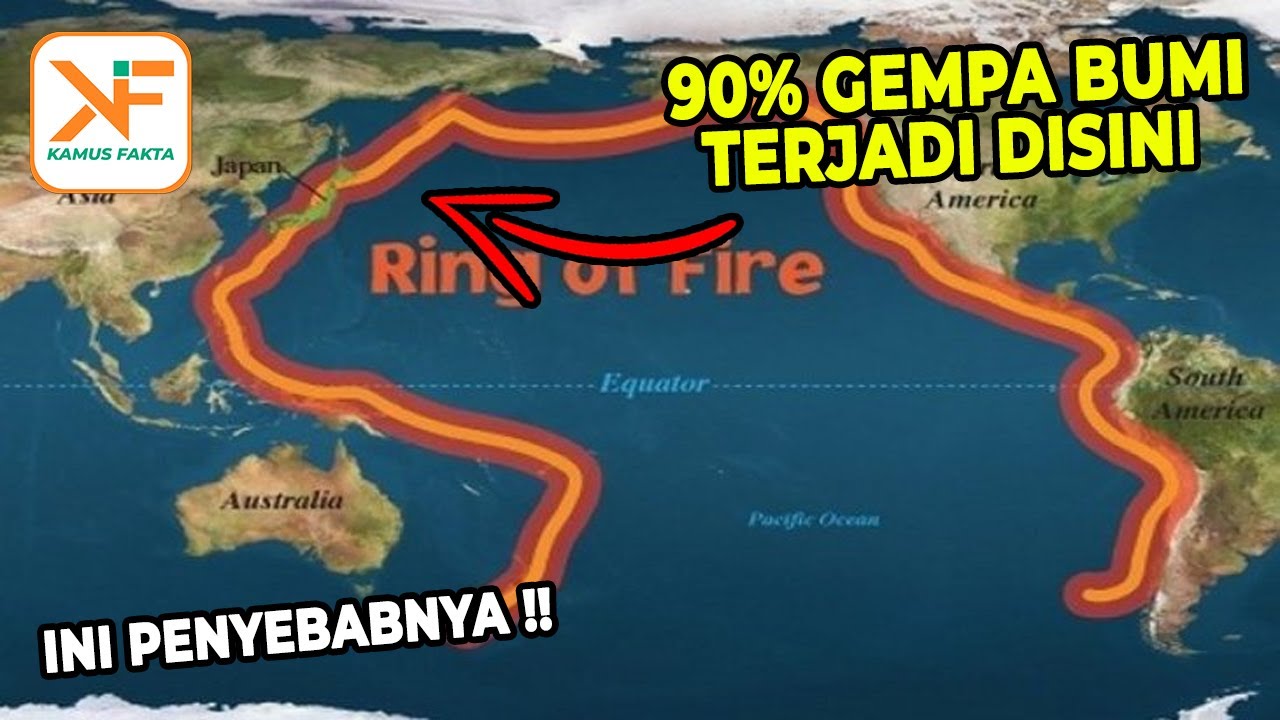
RING OF FIRE | Fakta Fenomena Ring Of Fire Di Indonesia
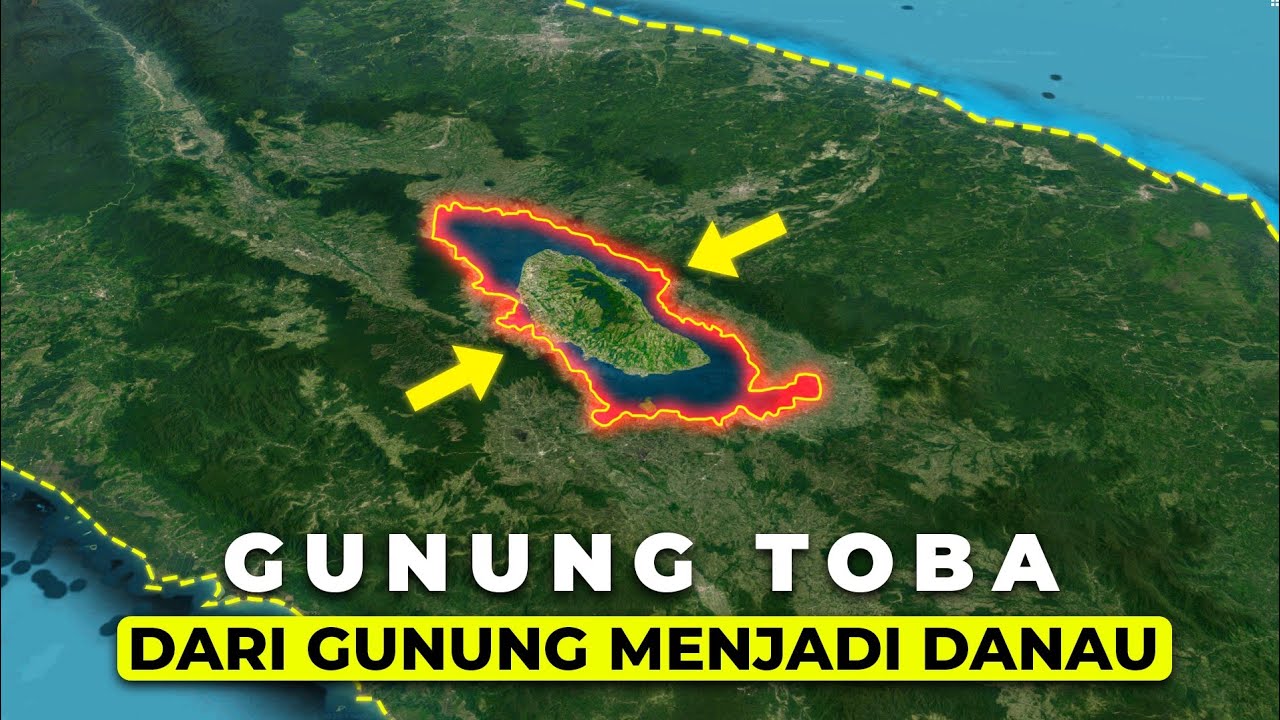
Saking Dahsyatnya! Benarkah Letusan Gunung Toba Penyebab Punahnya beberapa Manusia Purba?
Seisme (Gempa Bumi) #kumer
Litosfer: Teori Tektonik Lempeng, Gempa Bumi, Tsunami, dan Gunung Berapi

Volcanic Eruptions | Deadly Volcanoes In Hawaii, Iceland, The Philippines| | WION Wideangle

Locations of Volcanoes
5.0 / 5 (0 votes)

