Media and Information Literacy: Audio Information
Summary
TLDRThis video provides an in-depth look at audio information and multimedia, exploring the definition, types, and storage methods of audio. Key concepts like radio broadcasts, music, sound recordings, and podcasts are discussed, along with their advantages and limitations. The video also covers the different ways to store audio, including cassettes, CDs, USB drives, and cloud storage. It explains various audio file formats like MP3, WAV, and AAC, as well as key units of sound such as decibels and hertz. Finally, the elements and principles of sound design, including mixing and stereo imaging, are examined.
Takeaways
- 😀 Audio is defined as sound, particularly when recorded, transmitted, or reproduced.
- 🎶 Audio media refers to communication that uses sound to deliver or transfer information, like radio or television.
- 💸 One advantage of audio media is that it is inexpensive and only requires a radio or similar device to access.
- 🔧 Audio media is resistant to damage and easy to use, making it accessible for non-readers.
- ⏳ A limitation of audio media is that it follows a fixed sequence and does not monitor listener attention.
- 📻 Types of audio information include radio broadcasts, music, sound recordings, sound effects, and audio podcasts.
- 📡 Radio broadcasts involve live or recorded audio transmitted via radio waves, and increasingly through the internet.
- 🎧 Music is a combination of vocal or instrumental sounds that are transmitted in formats like MP3 or M4A.
- 💻 Audio podcasts are digital audio or video recordings that can be downloaded or streamed, often in series.
- 💾 Audio information can be stored in various formats such as cassette tapes, CDs, USB drives, memory cards, computer hard drives, and cloud storage.
- 📂 Popular audio file formats include MP3, M4A, WAV, and WMA, each serving different purposes like music, games, and streaming.
Q & A
What is audio in the context of media?
-Audio refers to the audible part of a transmitted signal, which is a recording or reproduction of an acoustic signal or simply sound.
What is the definition of audio media?
-Audio media is a form of communication that uses audio or recordings to deliver and transfer information through sound. Examples include radio and television.
What are some advantages of using audio media?
-Audio media is inexpensive, resistant to damage, easy to use, reproductive, and can reach non-readers by simply being listened to.
What limitations exist in audio media?
-Some limitations include a fixed sequence (such as scheduled radio programs), no direct interaction between the speaker and audience, and potential for accidental errors.
Can you list the types of audio information mentioned in the script?
-The types of audio information include radio broadcasts, music, sound recordings, sound clips/effects, and audio podcasts.
What is the role of a radio broadcast?
-A radio broadcast involves transmitting live or recorded audio through radio waves to reach a wide audience. Today, it can also be transmitted via the internet.
What is the difference between MP3 and AAC (M4A) audio formats?
-MP3 is the standard format for digital audio compression, while AAC (M4A) offers better sound quality at similar bit rates and is considered a successor to MP3, although MP3 is still more commonly used.
How are audio files stored, according to the script?
-Audio files can be stored in various formats and mediums including cassette tapes, CDs, USB drives, memory cards, computer hard drives, and cloud storage.
What is the difference between hearing and listening?
-Hearing is the passive act of perceiving sound, while listening requires concentration and mental effort to process and analyze the sound.
What are some key elements and principles of sound design?
-Key elements of sound design include dialogue, sound effects, and music. Principles of sound design include mixing, bass control, stereo imaging, transitions, and hearing versus listening.
Outlines

Dieser Bereich ist nur für Premium-Benutzer verfügbar. Bitte führen Sie ein Upgrade durch, um auf diesen Abschnitt zuzugreifen.
Upgrade durchführenMindmap

Dieser Bereich ist nur für Premium-Benutzer verfügbar. Bitte führen Sie ein Upgrade durch, um auf diesen Abschnitt zuzugreifen.
Upgrade durchführenKeywords

Dieser Bereich ist nur für Premium-Benutzer verfügbar. Bitte führen Sie ein Upgrade durch, um auf diesen Abschnitt zuzugreifen.
Upgrade durchführenHighlights

Dieser Bereich ist nur für Premium-Benutzer verfügbar. Bitte führen Sie ein Upgrade durch, um auf diesen Abschnitt zuzugreifen.
Upgrade durchführenTranscripts

Dieser Bereich ist nur für Premium-Benutzer verfügbar. Bitte führen Sie ein Upgrade durch, um auf diesen Abschnitt zuzugreifen.
Upgrade durchführenWeitere ähnliche Videos ansehen

Kuliah Multimedia : Dasar Pemahaman MULTIMEDIA
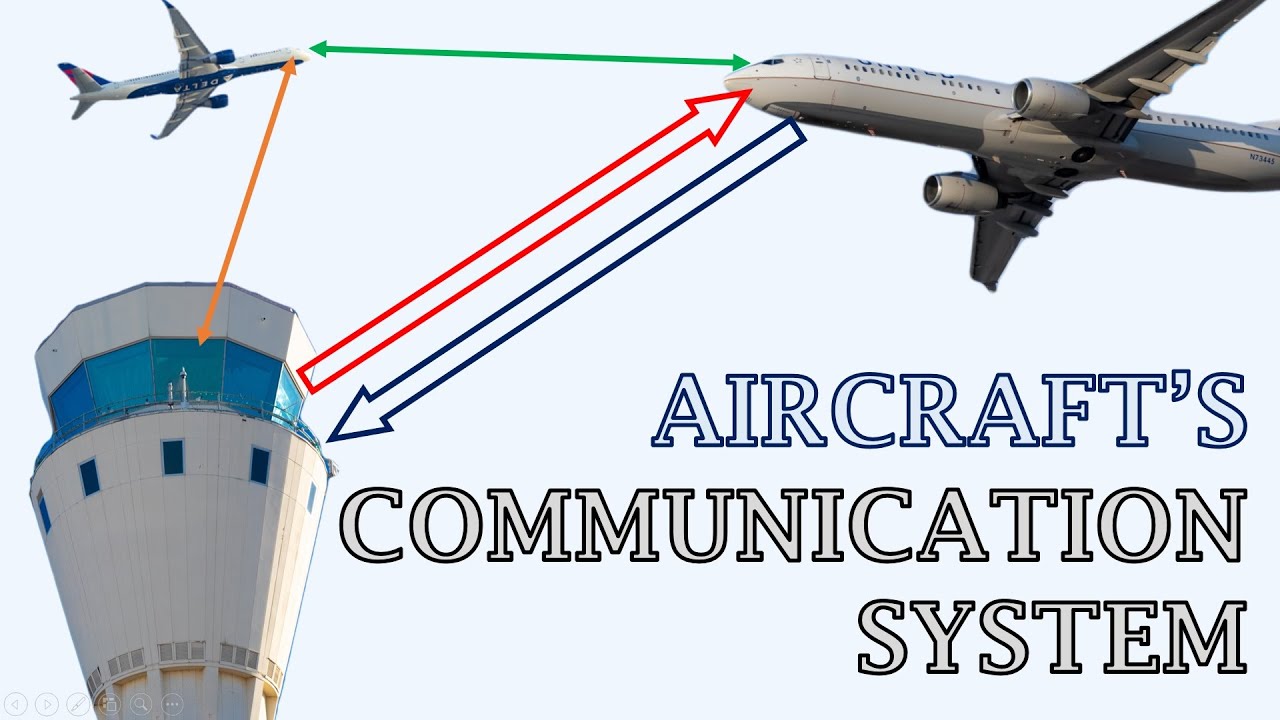
Understanding Aircraft's Communication System | ACARS | Voice & Data | Antennas on an Aircraft!

Jenis dan Contoh Media Pembelajaran (Penting dan Harus Dipahami)

Cognitive Theory of Multimedia Learning

Lipídeos | Compostos Orgânicos | Prof. Paulo Jubilut

DIFFERENT DIMENSIONS OF INFORMATION AND MEDIA
5.0 / 5 (0 votes)

