Calorimetry: Neutralisation | A-Level Chemistry
Summary
TLDRThis video explains how to calculate the enthalpy change of neutralization reactions, focusing on the process of mixing an acid and an alkali. It walks through an example of hydrochloric acid reacting with sodium hydroxide, showing how to calculate energy released using the formula Q=mcΔT, and then dividing by the moles of water produced. The video also discusses the impact of heat loss, how to measure the true temperature change through extrapolation, and the role of limiting reactants in calculations. Practical tips on improving accuracy in measurements and mitigating heat loss are also provided.
Takeaways
- 😀 Neutralization reactions involve mixing an acid andVideo Script Analysis an alkali to produce salt and water, with a temperature change.
- 😀 The enthalpy change for neutralization is calculated using the formula Q = MCΔT, followed by dividing by the moles of water produced.
- 😀 In the example given, hydrochloric acid and sodium hydroxide react, with the temperature change measured from 20°C to 60°C.
- 😀 The heat energy released in the reaction is calculated as 10032 joules (or 10.032 kJ) before converting it into kilojoules.
- 😀 The enthalpy change of neutralization is found to be -668 kJ/mol, as the reaction is exothermic (temperature increase).
- 😀 The experimental enthalpy change is smaller than the databook value due to heat loss to the surroundings and measurement errors.
- 😀 To minimize heat loss, it's suggested to use better insulating materials, like a polystyrene cup and a lid.
- 😀 Plotting a temperature vs. time graph helps to correct for heat loss and determine the true temperature change of the reaction.
- 😀 To correct the heat loss, a line of best fit is drawn for both the baseline and cooling phasesNeutralization Reaction Takeaways, and extrapolation is used to estimate the maximum temperature.
- 😀 Theoretical temperature is calculated by adding back the heat lost from the reaction, which gives a more accurate enthalpy change.
- 😀 The limiting reactant in a neutralization reaction must be considered when calculating the moles of water produced, as seen in the example with sulfuric acid and sodium hydroxide.
Q & A
What is neutralization in the context of calorimetry?
-Neutralization is a chemical reaction where an acid and an alkali (base) are mixed together to form salt and water. This reaction releases heat energy, which can be measured to determine the enthalpy change of the reaction.
How do you calculate the enthalpy change for neutralization?
-To calculate the enthalpy change for neutralization, use the formula Q = MCΔT, where Q is the heat energy released, M is the mass of the solution, C is the specific heat capacity of water, and ΔT is the temperature change. Then divide the resulting heat energy by the number of moles of water produced.
Why is the enthalpy change for neutralization divided by the moles of water produced?
-The enthalpy change for neutralization is divided by the moles of water produced because neutralization specifically refers to the formation of water. This ensures the calculation reflects the energy released per mole of water produced.
What is the general equation for calculating the heat energy released in calorimetry?
-The general equation for calculating the heat energy released is Q = MCΔT, where Q is the heat energy, M is the mass of the solution, C is the specific heat capacity, and ΔT is the temperature change.
How do you account for heat loss during the neutralization reaction?
-Heat loss during the neutralization reaction can be minimized by using insulating materials like a polystyrene cup and placing a lid on the container. This helps reduce heat exchange with the surroundings.
Why does the temperature rise during a neutralization reaction?
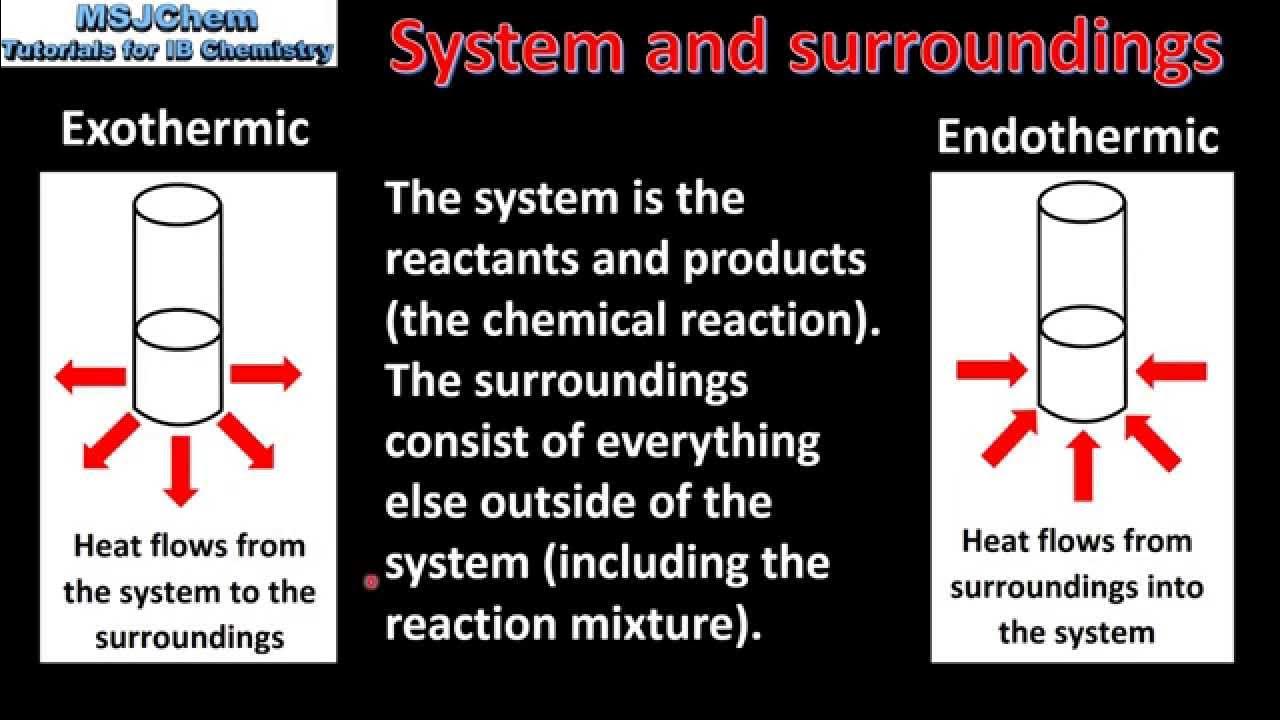
-The temperature rises during a neutralization reaction because it is an exothermic process, meaning it releases heat energy. The heat energy released during the formation of water causes the temperature of the solution to increase.
How can you obtain a more accurate measurement of temperature change during a neutralization reaction?
-To obtain a more accurate temperature change, you can plot a temperature vs. time graph, and extrapolate the cooling curve to account for heat loss. This gives a more accurate theoretical maximum temperature that would have been reached if there were no heat loss.
What is the purpose of extrapolating the cooling curve in a calorimetry experiment?
-Extrapolating the cooling curve allows you to estimate the maximum temperature that would have been reached if there had been no heat loss to the surroundings. This helps to correct for any energy lost during the reaction.
What can cause discrepancies between experimental enthalpy change and theoretical values?
-Discrepancies between experimental and theoretical enthalpy changes can be caused by heat loss to the surroundings, imperfect insulation of the reaction container, and inaccuracies in measuring temperature changes.
What should be done if a limiting reactant is present in a neutralization reaction?
-If a limiting reactant is present, the number of moles of water produced is determined by the limiting reactant. You must always use the smaller amount of moles when calculating the enthalpy change, as it dictates how much of the product (water) is formed.
Outlines

Dieser Bereich ist nur für Premium-Benutzer verfügbar. Bitte führen Sie ein Upgrade durch, um auf diesen Abschnitt zuzugreifen.
Upgrade durchführenMindmap

Dieser Bereich ist nur für Premium-Benutzer verfügbar. Bitte führen Sie ein Upgrade durch, um auf diesen Abschnitt zuzugreifen.
Upgrade durchführenKeywords

Dieser Bereich ist nur für Premium-Benutzer verfügbar. Bitte führen Sie ein Upgrade durch, um auf diesen Abschnitt zuzugreifen.
Upgrade durchführenHighlights

Dieser Bereich ist nur für Premium-Benutzer verfügbar. Bitte führen Sie ein Upgrade durch, um auf diesen Abschnitt zuzugreifen.
Upgrade durchführenTranscripts

Dieser Bereich ist nur für Premium-Benutzer verfügbar. Bitte führen Sie ein Upgrade durch, um auf diesen Abschnitt zuzugreifen.
Upgrade durchführenWeitere ähnliche Videos ansehen

HSC Chemistry: Measure the enthalpy of Neutralisation| Module 6

PRAKTIKUM PENENTUAN PERUBAHAN ENTALPI REAKSI PENETRALAN

PENENTUAN ENTALPI REAKSI DENGAN KALORIMETER

Misturas de soluções de solutos diferentes com reação química -Aula 10 |#soluções | #youtubeedu v1.0

Termokimia (2) | Menentukan Perubahan Entalpi Reaksi berdasarkan Data Kalorimeter | Kimia kelas 11
R1.1.2 / R1.1.3 Exothermic and endothermic reactions
5.0 / 5 (0 votes)

