Characteristics of Hydropower
Summary
TLDRFlowing water has shaped Earth's landscape for millions of years and is a key source of renewable energy. Hydroelectric power plants harness this energy through various types of turbines, generating electricity by converting the kinetic energy of water into electrical power. There are different plant designs suited for varying water flows, such as reservoir-based, run-of-the-river, and pumped storage systems. Despite environmental concerns like habitat disruption, hydro power is flexible, reliable, and clean, offering a significant share of global energy production. As the demand for sustainable energy grows, hydroelectric power remains a crucial part of the energy mix.
Takeaways
- 😀 Flowing water is a vital source of energy that has been harnessed by humans for thousands of years to power mills, grind grain, and irrigate crops.
- 🌍 The water cycle, driven by the Sun and gravity, constantly renews water, making it a clean and inexhaustible energy source.
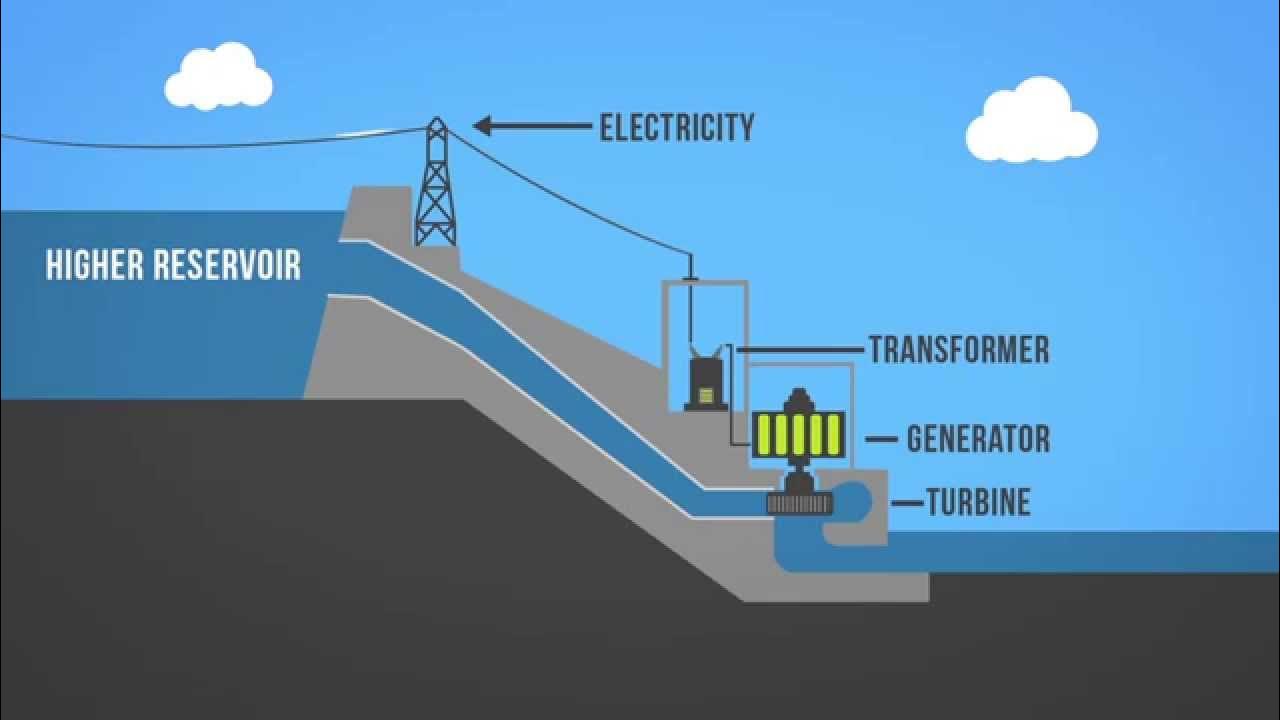
- 🔋 Hydroelectric power plants convert the kinetic energy of flowing water into electricity, accounting for approximately 15% of global energy consumption.
- 💧 Different types of hydro power plants are designed based on local river conditions, including accumulation plants, derivation plants, and run-of-the-river systems.
- ⚙️ The most commonly used turbines in hydroelectric plants are Kaplan, Francis, Pelton, and Banki-Michell, each designed for specific types of water flow and head.
- 🌊 Kaplan turbines are ideal for locations with fluctuating water flow and lower hydraulic heads, while Francis turbines are more suited for medium-range heads.
- 🏞️ Pelton turbines are best for high-head, low-flow sites like mountainous regions, where the energy of high-pressure water jets is used effectively.
- 🔄 Pumped storage plants serve to store energy, pumping water to an elevated reservoir during times of low demand, and releasing it for electricity generation during high demand.
- ⚡ Hydroelectric power is highly flexible, able to supply both base-load electricity and peak-load power due to its ability to quickly start and stop.
- 🌱 While hydroelectric plants have environmental impacts, such as habitat loss and fish migration disruption, they also offer benefits like flood control, drinking water storage, and recreational areas.
Q & A
Why is flowing water a necessary condition for life on Earth?
-Flowing water is essential for life on Earth as it provides vital resources such as drinking water, irrigation for crops, and habitats for aquatic life. Additionally, it plays a significant role in shaping landscapes through erosion and sediment transport.
How did humans initially harness the power of flowing water?
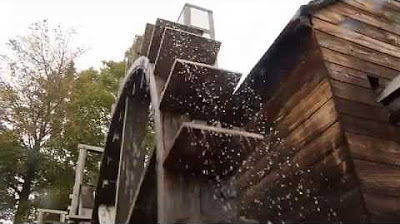
-Humans harnessed the power of flowing water by using water wheels to turn blades that were connected to other devices like grinders, pumps, and saws, enabling them to grind grain, pump water, and power various machinery.
What is the water cycle, and how does it contribute to the flow of water for hydroelectric power?
-The water cycle is the continuous process where water evaporates from the Earth’s surface, forms clouds, falls as precipitation, and then flows back to lower altitudes due to gravity. This cycle ensures a constant replenishment of water that can be used to generate hydroelectric power.
What are the main benefits of hydroelectric power?
-Hydroelectric power is clean, renewable, and inexhaustible. It does not produce emissions, can operate year-round, and has the flexibility to respond to fluctuating electricity demand, making it a reliable energy source.
What is an accumulation hydroelectric power plant, and how does it work?
-An accumulation hydroelectric power plant includes a reservoir created by damming a valley. The height difference between the reservoir and the river below generates kinetic energy, which is used to drive turbines and produce electricity. This type of plant often serves additional purposes like flood regulation and recreational activities.
What are the different types of dams used in hydroelectric power plants?
-There are several types of dams used in hydroelectric plants, including concrete arch dams, earthfill dams, gravity dams, and buttress dams. Each type has a unique design to withstand water pressure and ensure stability.
What is the principle behind a derivation hydroelectric power plant?
-A derivation hydroelectric power plant works by diverting part of the river’s flow into a less steep channel, where the water is allowed to flow downhill, creating the necessary head to generate electricity through turbines.
What is the difference between the Kaplan, Francis, Pelton, and Banki-Michell turbines?
-The Kaplan turbine is designed for variable flow conditions and has adjustable blades, while the Francis turbine is used for a wide range of heads with fixed blades. The Pelton turbine is used for high head conditions and features spoon-shaped buckets to capture the water's kinetic energy. The Banki-Michell turbine is a simple design suitable for small-scale plants, performing efficiently across varying flows.
What is a Pumped storage hydroelectric power plant, and how does it function?
-A Pumped storage plant stores energy rather than generating it. Surplus electricity is used to pump water into an upper reservoir, and during periods of high electricity demand, water is released back through turbines to generate electricity, thereby balancing the grid.
What are the environmental impacts of building a large hydroelectric dam?
-The construction of large dams often causes significant environmental impacts, such as flooding vast areas, displacing wildlife and human populations, disrupting fish migration, and creating methane-releasing silt at the bottom of the reservoir.
Outlines

Dieser Bereich ist nur für Premium-Benutzer verfügbar. Bitte führen Sie ein Upgrade durch, um auf diesen Abschnitt zuzugreifen.
Upgrade durchführenMindmap

Dieser Bereich ist nur für Premium-Benutzer verfügbar. Bitte führen Sie ein Upgrade durch, um auf diesen Abschnitt zuzugreifen.
Upgrade durchführenKeywords

Dieser Bereich ist nur für Premium-Benutzer verfügbar. Bitte führen Sie ein Upgrade durch, um auf diesen Abschnitt zuzugreifen.
Upgrade durchführenHighlights

Dieser Bereich ist nur für Premium-Benutzer verfügbar. Bitte führen Sie ein Upgrade durch, um auf diesen Abschnitt zuzugreifen.
Upgrade durchführenTranscripts

Dieser Bereich ist nur für Premium-Benutzer verfügbar. Bitte führen Sie ein Upgrade durch, um auf diesen Abschnitt zuzugreifen.
Upgrade durchführen



5.0 / 5 (0 votes)

