Why Hollywood Is Afraid of Comic-Accurate Costumes
Summary
TLDRFor over two decades, Hollywood avoided comic book-accurate superhero costumes, fearing they wouldn't be taken seriously by audiences. Films like 'X-Men' and 'Batman Begins' embraced dark, tactical designs, while colorful costumes were seen as childish. As superhero films evolved, some, like 'Deadpool' and 'Spider-Man: Homecoming', confidently embraced comic accuracy, proving it could work. Eventually, the industry's fear gave way to fan demand for authenticity, leading to the return of iconic costumes like Wolverine's yellow suit. The video highlights how Hollywood's resistance to comic accuracy hindered the genre, only for it to later prove essential to its success.
Takeaways
- 😀 Hollywood avoided comic-accurate superhero costumes for over 20 years, often redesigning them to be darker and more 'realistic'.
- 😀 Bright colors in costumes were muted, spandex was mocked, and iconic looks were buried beneath tactical armor and black leather.
- 😀 The X-Men films, starting with the early 2000s, are a prime example of Hollywood's fear of comic book authenticity, opting for black leather instead of colorful spandex.
- 😀 Batman's transformation under Christopher Nolan further emphasized grounded realism, with his suit and gadgets reimagined as practical military-style equipment.
- 😀 The failure of *Batman and Robin* in the '90s cemented Hollywood's belief that comic-book accuracy was a box office risk, pushing for darker and more grounded designs.
- 😀 The X-Men's black leather costumes were a result of Fox fearing that bright, colorful outfits wouldn't be taken seriously by audiences.
- 😀 Marvel Studios initially hesitated with comic accuracy, opting for grounded versions of characters like Daredevil, Hawkeye, and Quicksilver to appeal to a more mature audience.
- 😀 *Deadpool* broke the mold by fully embracing comic-accurate costumes and the tone of the comics, proving that such designs could work and be iconic.
- 😀 Tom Holland's first Spider-Man costume embraced the bright, youthful energy of the Silver Age, with fans responding positively to the return of the classic look.
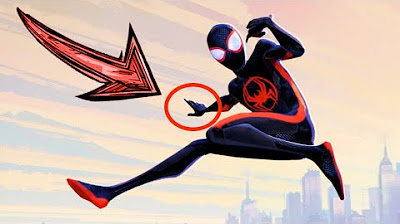
- 😀 The success of *Spider-Man: Into the Spider-Verse* highlighted the potential of embracing comic book aesthetics in film, with bold colors and stylized animation that fans loved.
- 😀 The eventual acceptance of comic-accurate suits, such as Deadpool's red costume and Hugh Jackman's Wolverine suit, proved that Hollywood's fear was the real barrier, not the costumes themselves.
Q & A
Why did Hollywood avoid comic-accurate superhero costumes for so long?
-Hollywood avoided comic-accurate costumes for over 20 years because studios feared that bright colors, spandex, and other comic book elements would not be taken seriously by audiences. They believed that these elements were too childish and unrealistic, often redesigning costumes to be darker, more tactical, and grounded.
How did the failure of *Batman and Robin* impact Hollywood’s approach to superhero costumes?
-The failure of *Batman and Robin* in 1997, which embraced colorful and exaggerated costumes, led Hollywood to believe that anything closely resembling comic book designs would fail at the box office. Instead, the industry leaned towards darker, more realistic interpretations, believing that grounding the characters in reality would make them more appealing.
What was the impact of the X-Men movie on superhero costume design?
-The *X-Men* movie (2000) was a turning point in superhero film design. Its creators chose to avoid the colorful, spandex-heavy costumes of the comics, opting instead for black leather suits. This decision was based on the belief that the costumes needed to look more practical and serious, to avoid the campy perception of the genre.
Why did Bryan Singer's *X-Men* feature black leather suits instead of the traditional comic book costumes?
-Bryan Singer and the producers of *X-Men* redesigned the costumes to be black leather in an effort to make the film feel more serious and grounded. They feared that the bright and colorful costumes of the comics would not be taken seriously by audiences. The film's plot, which touched on political and social themes, also influenced the desire for a more muted aesthetic.
How did Christopher Nolan’s *Dark Knight* trilogy influence superhero movie costume design?
-Christopher Nolan’s *Dark Knight* trilogy set a new standard for realism in superhero films. Nolan grounded every aspect of Batman’s design, from the suit to the vehicles, in practical and technological justifications. This approach influenced other superhero films, encouraging a more realistic and tactical style, often at the expense of comic accuracy.
Why did *Fantastic Four (2015)* avoid the traditional colorful superhero suits?
-The 2015 *Fantastic Four* movie avoided the colorful suits of the comics because it aimed to present the story as a grounded sci-fi horror film. The costumes were designed to be utilitarian, reflecting the harsh physical transformations of the characters. This was part of the film's attempt to explore the more brutal, real-world consequences of gaining superpowers.
What was Marvel’s approach to costume design in the early years of the MCU?
-In the early years of the MCU, Marvel embraced some comic-accurate costumes but also made deliberate redesigns for certain characters, opting for more grounded, tactical outfits. For example, characters like Hawkeye and Daredevil were dressed in more practical, functional attire rather than their iconic comic costumes.
How did Deadpool prove that comic-accurate costumes could work on screen?
-Deadpool proved that comic-accurate costumes could work by embracing the absurdity of the character and the costume. The film didn't shy away from the bright red suit and exaggerated white eyes. Instead, it fully embraced the comic book look and tone, making it iconic in a way that didn’t apologize for its comic origins.
Why did Tom Holland’s Spider-Man costume reflect the character’s Silver Age roots?
-Tom Holland’s Spider-Man costume in *Captain America: Civil War* was designed to reflect the character’s Silver Age roots, embracing the bright red and blue colors and expressive white eyes. This design was chosen to capture the youthful energy and optimism of Spider-Man’s classic look from the 1960s, which fans quickly embraced.
What was the fan reaction to Hugh Jackman’s yellow and blue Wolverine suit in *Deadpool 3*?
-When Hugh Jackman donned the classic yellow and blue Wolverine suit in *Deadpool 3*, it received an overwhelmingly emotional response from the cast and crew. Ryan Reynolds and the production team were deeply moved by the reaction, and even Hugh Jackman admitted that he was wrong to have doubted the suit’s potential. The suit, once avoided by Hollywood, became a moment of triumph when embraced.
Outlines

Dieser Bereich ist nur für Premium-Benutzer verfügbar. Bitte führen Sie ein Upgrade durch, um auf diesen Abschnitt zuzugreifen.
Upgrade durchführenMindmap

Dieser Bereich ist nur für Premium-Benutzer verfügbar. Bitte führen Sie ein Upgrade durch, um auf diesen Abschnitt zuzugreifen.
Upgrade durchführenKeywords

Dieser Bereich ist nur für Premium-Benutzer verfügbar. Bitte führen Sie ein Upgrade durch, um auf diesen Abschnitt zuzugreifen.
Upgrade durchführenHighlights

Dieser Bereich ist nur für Premium-Benutzer verfügbar. Bitte führen Sie ein Upgrade durch, um auf diesen Abschnitt zuzugreifen.
Upgrade durchführenTranscripts

Dieser Bereich ist nur für Premium-Benutzer verfügbar. Bitte führen Sie ein Upgrade durch, um auf diesen Abschnitt zuzugreifen.
Upgrade durchführenWeitere ähnliche Videos ansehen



5.0 / 5 (0 votes)

