Module 20 Theories of Factors Affecting Motivation
Summary
TLDRThis educational module explores key theories of motivation, including Attribution Theory, Self-Efficacy, Self-Determination, and Maslow's Hierarchy of Needs. It emphasizes how motivation affects learning and behavior, outlining practical strategies for teachers to foster student engagement. Theories are linked to real classroom applications, highlighting the importance of intrinsic motivation, goal-setting, and the psychological needs of students. Key suggestions include offering choice, feedback, and opportunities for self-regulation, aiming to create an environment where students feel competent, autonomous, and motivated to succeed.
Takeaways
- 😀 Motivation is a key factor in daily life, influencing behaviors, feelings, and actions toward achieving goals and overcoming challenges.
- 😀 The PQ4R method (Preview, Question, Read, Recite, Review) is essential for engaging with the learning material and fostering understanding.
- 😀 Attribution Theory explains how people attribute their success or failure to internal or external factors, and how these attributions influence motivation.
- 😀 Self-efficacy is the belief in one's ability to succeed in tasks. Enhancing students' self-efficacy boosts intrinsic motivation and helps overcome challenges.
- 😀 Self-efficacy can be enhanced by ensuring students master basic skills, make progress on difficult tasks, and receive positive reinforcement.
- 😀 Self-regulation and self-determination are crucial for intrinsic motivation. Students with self-regulation set goals, monitor progress, and adjust their strategies.
- 😀 The key components of self-regulation are goal-setting, planning, attention control, strategy application, self-monitoring, and self-evaluation.
- 😀 Choice Theory emphasizes the need to satisfy basic psychological needs (belonging, competence, freedom, fun) to foster motivation and emotional well-being.
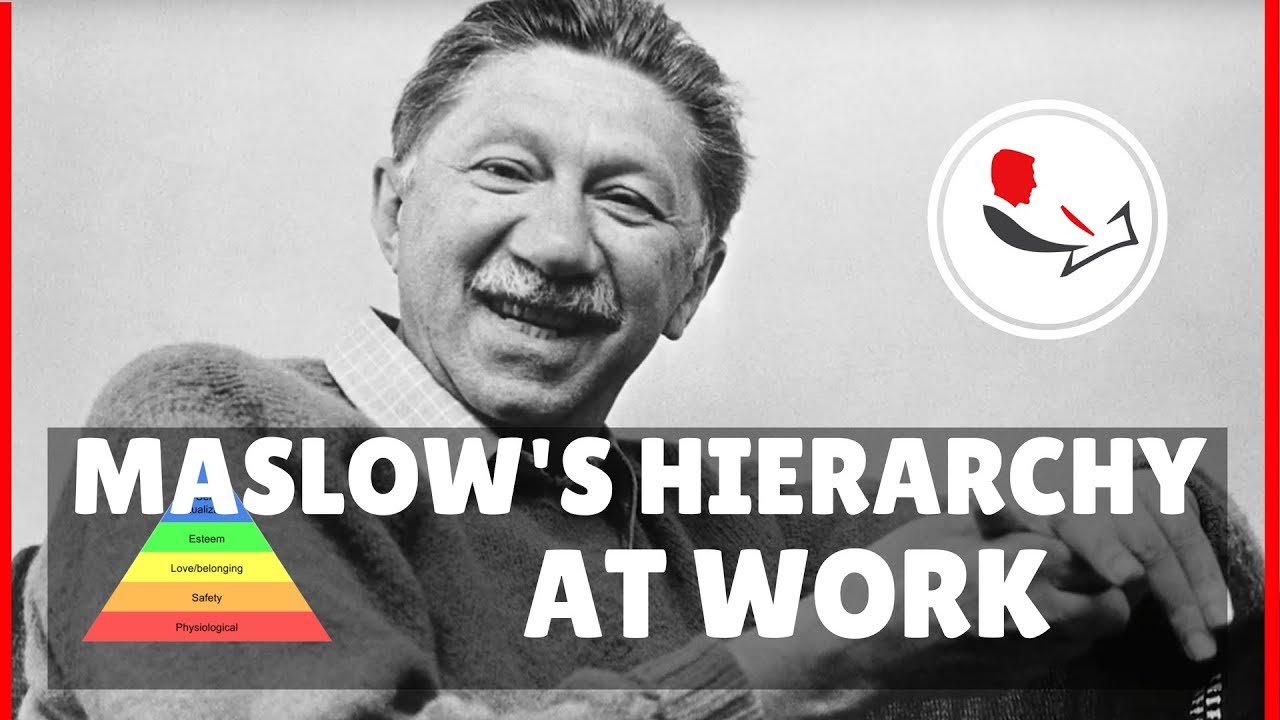
- 😀 Maslow’s Hierarchy of Needs suggests that lower-level needs (e.g., survival, safety) must be satisfied before higher-level needs (e.g., self-actualization) can be pursued.
- 😀 Goal-setting theory shows that specific, challenging goals with appropriate feedback lead to higher performance, emphasizing mastery over performance-based goals.
Q & A
What is the primary focus of Module 20 in this transcript?
-The primary focus of Module 20 is to explain the theories and factors that affect motivation, with an emphasis on how these theories can be applied to the facilitation of learning.
What does PQ4R stand for, and how is it applied in the module?
-PQ4R stands for Preview, Question, Read, Recite, and Review. It is a reading strategy designed to help students engage with and retain the material in the module by actively interacting with the content.
How does Attribution Theory impact motivation?
-Attribution Theory suggests that motivation is influenced by how individuals attribute their successes and failures. If a student attributes their success to internal factors (such as effort or ability), they are more likely to feel motivated. Conversely, attributing success to external factors can decrease motivation.
What are the three main types of attribution discussed in the transcript?
-The three types of attribution are: 1) Locus (internal vs. external), 2) Stability (stable vs. unstable), and 3) Controllability (controllable vs. uncontrollable). These attributions influence how a student perceives their successes and failures.
How does self-efficacy influence motivation according to the transcript?
-Self-efficacy refers to an individual's belief in their ability to accomplish tasks. Students with high self-efficacy are more likely to be motivated and persist in difficult tasks, while those with low self-efficacy may avoid challenging tasks due to fear of failure.
What strategies can enhance a student's self-efficacy?
-Strategies to enhance self-efficacy include ensuring students master basic skills, helping them make noticeable progress on difficult tasks, communicating confidence in their abilities, and exposing them to successful peers.
What is the relationship between self-regulation and motivation?
-Self-regulation involves setting goals, monitoring progress, and adjusting behaviors as needed. Students who are self-regulated are more intrinsically motivated because they are actively involved in directing their learning and evaluating their own performance.
What are the three innate psychological needs in Self-Determination Theory?
-Self-Determination Theory suggests that individuals are motivated by three innate psychological needs: 1) Competence, 2) Relatedness (connection), and 3) Autonomy (control over their actions). Fulfilling these needs leads to greater intrinsic motivation.
How can teachers foster a sense of self-determination in students?
-Teachers can foster self-determination by providing opportunities for students to make choices, presenting rules in an informational manner, and evaluating students' performance in a way that does not feel controlling.
How does Maslow's Hierarchy of Needs apply to motivation in the classroom?
-According to Maslow's Hierarchy of Needs, lower-order needs (such as food, safety, and belonging) must be met before higher-order needs (like self-esteem and self-actualization) can be addressed. In the classroom, this means that students must feel safe and accepted before they can fully engage in learning and strive for personal growth.
What is the difference between learning goals and performance goals?
-Learning goals are focused on acquiring new knowledge or mastering skills, while performance goals are focused on demonstrating ability and receiving judgments from others. Learning goals are linked to intrinsic motivation, while performance goals tend to be more extrinsically motivated.
How can goal-setting be used effectively as a motivational tool in education?
-Goal-setting can be motivational when the goals are specific, challenging, accepted by students, and accompanied by regular performance monitoring and feedback. It is important that students believe they can achieve these goals and that the process is not overly controlling.
Outlines

Dieser Bereich ist nur für Premium-Benutzer verfügbar. Bitte führen Sie ein Upgrade durch, um auf diesen Abschnitt zuzugreifen.
Upgrade durchführenMindmap

Dieser Bereich ist nur für Premium-Benutzer verfügbar. Bitte führen Sie ein Upgrade durch, um auf diesen Abschnitt zuzugreifen.
Upgrade durchführenKeywords

Dieser Bereich ist nur für Premium-Benutzer verfügbar. Bitte führen Sie ein Upgrade durch, um auf diesen Abschnitt zuzugreifen.
Upgrade durchführenHighlights

Dieser Bereich ist nur für Premium-Benutzer verfügbar. Bitte führen Sie ein Upgrade durch, um auf diesen Abschnitt zuzugreifen.
Upgrade durchführenTranscripts

Dieser Bereich ist nur für Premium-Benutzer verfügbar. Bitte führen Sie ein Upgrade durch, um auf diesen Abschnitt zuzugreifen.
Upgrade durchführen



5.0 / 5 (0 votes)

