Conservation and Variation of Slang Among the Generations
Summary
TLDRThis research presentation explores the conservation and variation of slang across generations, from the Silent Generation to Generation Alpha, focusing on the Kansas City metropolitan area. Through surveys and interviews, the study examines how slang is passed down, evolves in meaning, and adapts with the influence of digital media. Key findings include the persistence of slang like 'dude' and 'wicked,' shifts in meaning (e.g., 'dip' and 'preppy'), and the rise of acronyms, particularly among younger generations. The study also highlights how slang reflects societal values, such as inclusivity, while also addressing concerns around cultural appropriation.
Takeaways
- 😀 Slang is passed down through generations, often picked up through social interactions, particularly between parents and their children.
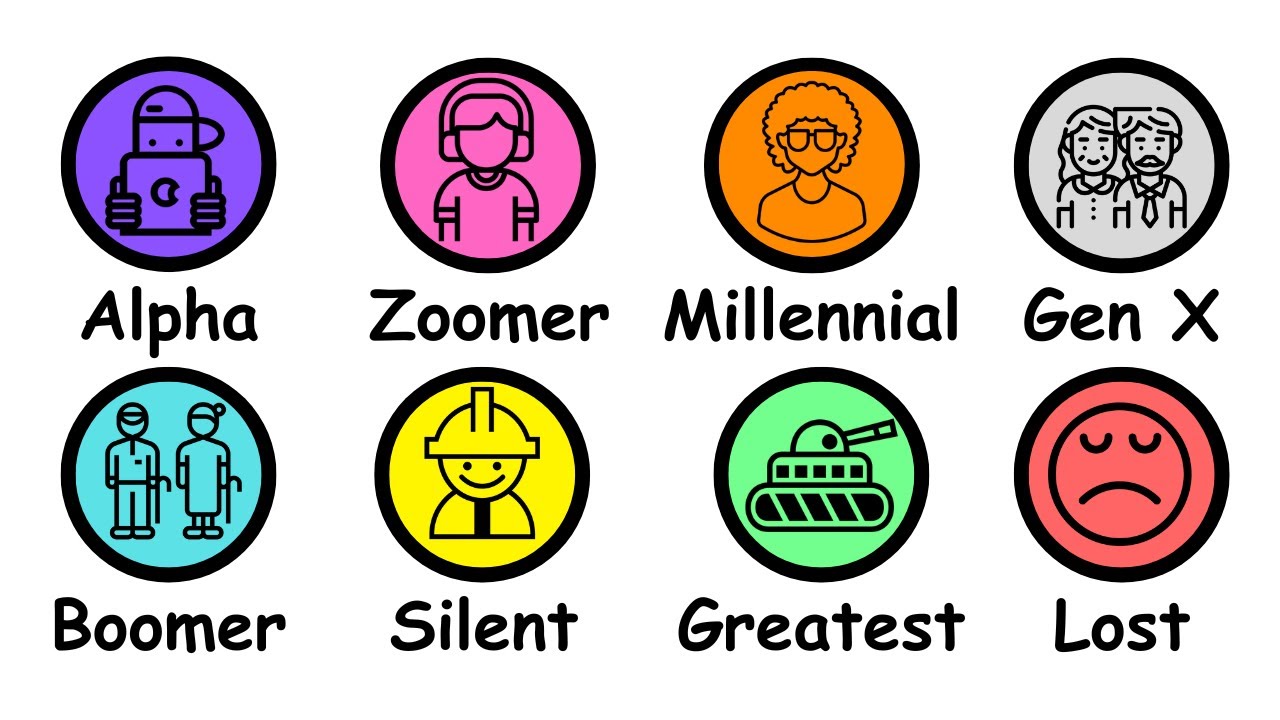
- 😀 The study examined slang across six generations, from the Silent Generation to Generation Alpha, with participants ranging in age and background.
- 😀 Informants were asked about their familiarity with slang, their use of slang terms, and how slang has evolved over time.
- 😀 The research showed that slang is often conserved across generations, with many older slang terms still in use among younger people.
- 😀 Internet and social media have played a significant role in spreading slang, making it more accessible to members of different age groups.
- 😀 Younger generations (Millennials, Generation Z, and Generation Alpha) are more familiar with slang from older generations, including terms like 'dude' and 'wicked'.
- 😀 Slang terms evolve over time, with some words retaining the same meaning, while others change significantly, such as 'dip' and 'preppy'.
- 😀 Acronyms have become a dominant form of slang, particularly among younger generations, while older generations tend to struggle with them.
- 😀 The development of slang reflects societal shifts, such as increasing inclusivity and the use of slang associated with marginalized communities, especially LGBTQIA+ and African American Vernacular English.
- 😀 The appropriation of slang, especially from marginalized groups, can lead to tensions, as slang terms are often used without understanding the cultural context behind them.
Q & A
What was the main focus of your fieldwork research?
-The main focus of my fieldwork was to examine the conservation and variation of slang across generations, specifically how slang is passed down from one generation to the next and how its usage changes over time.
How did you select the informants for your research?
-I selected informants from the Kansas City metropolitan area, spanning all generations from the Silent Generation to Generation Alpha. The participants included individuals of different ages, and I used a mix of surveys and interviews to gather information.
What were the two main research questions of the study?
-The two main research questions were: 1) Is slang passed down from generation to generation? 2) What is the conservation and variation of how slang is used across different generations?
How did you conduct your research and gather data?
-I conducted surveys and interviews with the informants. The surveys asked about slang terms they were familiar with, their meanings, and where they had encountered them. I also included a section with slang terms from various generations for the informants to identify and define.
What are some key differences in slang usage between younger and older generations?
-Younger generations, such as Millennials, Generation Z, and Generation Alpha, tend to use more internet-based slang, including acronyms and shorthand terms. They are also more likely to engage with slang from different age groups via social media. Older generations, like the Silent Generation and Baby Boomers, tend to use more traditional, longer forms of slang and are less familiar with acronyms.
What is an example of slang that has been passed down through generations?
-One example of slang that has been passed down is the term 'dude.' Originally associated with Generation X, it is still widely used by people of all ages, including those from Generation Alpha.
How does slang change in meaning across generations?
-Slang can change in meaning when a term that was used in one generation takes on a different or even opposite meaning in another generation. For example, 'dip,' which was used by Generation X to describe someone boring, is now commonly used by Generation Z to mean 'leave.'
What role does the internet and social media play in slang usage?
-The internet and social media play a significant role in spreading slang across generational divides. Slang terms, especially acronyms and internet-based shorthand, are more easily accessible to younger generations who use these platforms regularly. Older generations, however, often struggle to recognize or define these newer slang terms.
How do cultural values influence the development of slang in younger generations?
-Cultural values, particularly those associated with progressiveness and inclusivity, significantly influence the slang of younger generations. For example, Generation Z often uses slang tied to social justice, such as terms from the LGBTQIA+ community, and has reclaimed historically offensive words to give them more positive meanings.
What is cultural appropriation in the context of slang, and how does it occur?
-Cultural appropriation in slang occurs when slang terms, especially those rooted in marginalized communities (such as African-American Vernacular English), are used by people outside those communities without understanding the cultural context. This appropriation can dilute the meaning and significance of the slang terms.
Outlines

Dieser Bereich ist nur für Premium-Benutzer verfügbar. Bitte führen Sie ein Upgrade durch, um auf diesen Abschnitt zuzugreifen.
Upgrade durchführenMindmap

Dieser Bereich ist nur für Premium-Benutzer verfügbar. Bitte führen Sie ein Upgrade durch, um auf diesen Abschnitt zuzugreifen.
Upgrade durchführenKeywords

Dieser Bereich ist nur für Premium-Benutzer verfügbar. Bitte führen Sie ein Upgrade durch, um auf diesen Abschnitt zuzugreifen.
Upgrade durchführenHighlights

Dieser Bereich ist nur für Premium-Benutzer verfügbar. Bitte führen Sie ein Upgrade durch, um auf diesen Abschnitt zuzugreifen.
Upgrade durchführenTranscripts

Dieser Bereich ist nur für Premium-Benutzer verfügbar. Bitte führen Sie ein Upgrade durch, um auf diesen Abschnitt zuzugreifen.
Upgrade durchführen




5.0 / 5 (0 votes)

