Pedagang dan Pembeli Keluhkan Kenaikan Harga Bahan Pangan
Summary
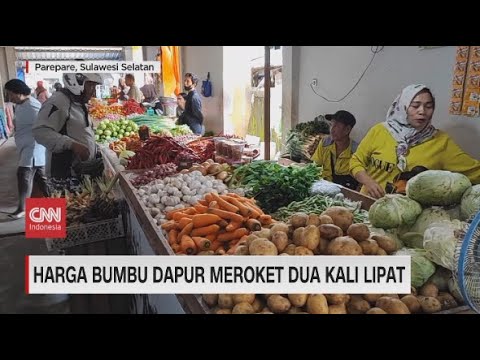
TLDRAs Ramadan approaches, the prices of basic necessities have sharply risen, putting additional strain on households already facing economic difficulties. In various markets, the cost of essential goods like rice, chili, onions, and poultry has surged, with some prices more than doubling. Despite these challenges, traders and consumers alike are hoping for price stabilization. Government officials have emphasized the importance of controlling food prices and boosting employment to ease the burden on the public. As the cost of living continues to increase, the government is under pressure to take effective actions for economic stability.
Takeaways
- 📈 Prices of basic necessities, especially rice, increase a few days before Ramadan due to high demand and limited supply.
- 💰 Large rice sacks in Tanah Abang, Jakarta, have risen from IDR 400,000 to IDR 500,000 for premium quality.
- 🛒 Retail rice prices remain relatively stable despite the increase in bulk prices.
- 🌶️ Red chili prices in Tambun, Bekasi, surged over 100%, from IDR 40,000 to IDR 88,000–90,000 per kg.
- 🧅 Other essentials such as shallots, tomatoes, and chicken have also experienced significant price hikes.
- 👩👧 Households, particularly led by women, are forced to reduce purchase quantities due to higher costs.
- 🚜 Farmers face challenges due to unfavorable weather, affecting supply during the harvest season.
- 🛑 The government is urged to implement measures to stabilize prices and protect consumers' welfare.
- -
- 💼 Experts suggest three key steps: increasing employment opportunities, raising real income, and controlling essential goods prices.
- ⚠️ The price surge is a multifactor issue, requiring coordinated and timely government intervention before Ramadan.
- 📊 Sudden inspections by the Minister of Trade revealed that price increases have persisted for about a week, especially for chili and eggs.
Q & A
Why do prices of basic necessities typically increase before Ramadan?
-Prices often rise due to higher demand and limited supply as people stock up for Ramadan, which puts pressure on markets and can lead to inflation in essential goods.
Which staple food in Pasar Lontar Tanah Abang experienced a price increase according to the report?
-Rice, particularly large sacks of premium rice, experienced a price increase of around Rp400,000 to Rp500,000 per sack.
How did rice retailers respond to the price increase?
-Retailers continued selling rice in smaller quantities at normal prices to accommodate consumers despite the increase in large sack prices.
What other food items in Pasar Tambun Bekasi saw significant price increases?
-Chili peppers, shallots, tomatoes, and chicken experienced substantial price increases, with some more than doubling in price.
How did rising prices affect consumers, particularly housewives?
-Consumers had to adjust their shopping, often buying smaller quantities of essential items to make their budget stretch, due to the rapid price increases.
What specific price increases were reported for red chili and shallots in Bekasi?
-Red chili rose from Rp40,000 to Rp88,000–Rp90,000 per kg, while shallots increased from Rp25,000 to Rp50,000 per kg.
What actions did the Minister of Trade take to monitor prices?
-Minister Budi Santoso conducted a surprise inspection at Pasar Cuplik in Sukoharjo, Jawa Tengah, to observe the ongoing price increases and hear complaints from traders.
What were the reasons cited for the continued increase in prices?
-Factors included unfavorable weather affecting harvests, ongoing high demand, and economic difficulties faced by farmers and consumers.
What three strategic steps did researcher Ahmad Heri Firdaus suggest the government take to ease the impact on society?
-He suggested opening employment opportunities, increasing real incomes, and controlling prices of basic necessities.
Why is it important for the government to manage price increases before Ramadan?
-Managing price increases ensures stability in household budgets, prevents excessive inflation, and supports the welfare of society during a period of high consumption.
What does the report suggest about the nature of the rising food prices problem?
-The issue is multifactorial and complex, requiring integrated solutions as multiple factors, such as supply, demand, and weather, converge to increase costs.
Outlines

هذا القسم متوفر فقط للمشتركين. يرجى الترقية للوصول إلى هذه الميزة.
قم بالترقية الآنMindmap

هذا القسم متوفر فقط للمشتركين. يرجى الترقية للوصول إلى هذه الميزة.
قم بالترقية الآنKeywords

هذا القسم متوفر فقط للمشتركين. يرجى الترقية للوصول إلى هذه الميزة.
قم بالترقية الآنHighlights

هذا القسم متوفر فقط للمشتركين. يرجى الترقية للوصول إلى هذه الميزة.
قم بالترقية الآنTranscripts

هذا القسم متوفر فقط للمشتركين. يرجى الترقية للوصول إلى هذه الميزة.
قم بالترقية الآنتصفح المزيد من مقاطع الفيديو ذات الصلة
Harga Pangan Mulai Naik Jelang Lebaran, Mendag Jamin Harga Stabil

Pantauan Harga Pokok Jelang Lebaran

China hits back as Trump’s tariffs go into effect

[BREAKING NEWS] Resmi 1 Januari PPN Naik 12%, Berikut Daftar Barangnya | tvOne

Harga Komoditas Pangan di Jakarta dan Bandung Melonjak Jelang Ramadan #iNewsSiang 09/03

Biden's Economy Battering Americans
5.0 / 5 (0 votes)

