tugas 1a mikro universitas terbuka
Summary
TLDRIn this educational transcript, a teacher introduces the concept of mutualism by discussing the relationship between bees and flowers. The teacher engages the students with questions about the mutual benefits between the two: bees help pollinate flowers while gaining nourishment, and flowers rely on bees for reproduction. The teacher emphasizes the importance of ecological balance and how the absence of either species would disrupt the process. The session ends with a brief review and a closing salutation, 'Assalamualaikum warahmatullahi wabarakatuh,' ensuring students grasp the significance of mutualistic relationships in nature.
Takeaways
- 😀 The lesson is focused on the concept of 'mutualistic symbiosis' in nature.
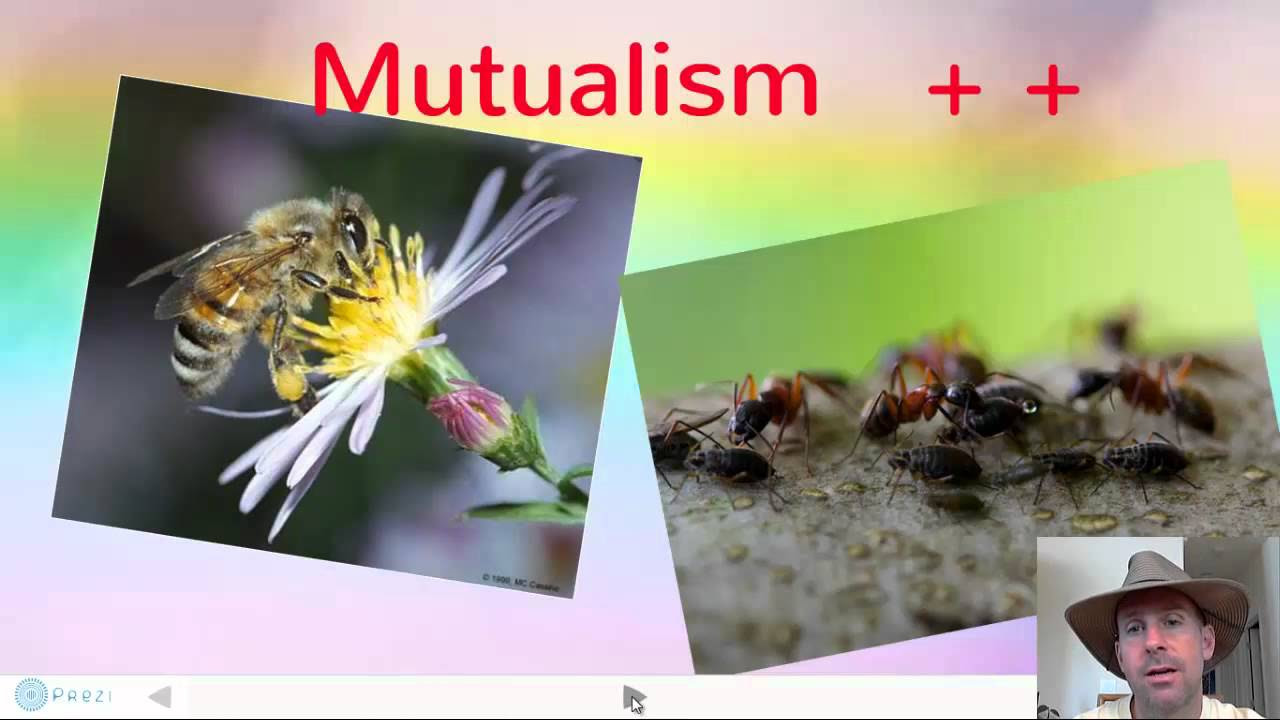
- 😀 The teacher, Ibu Dalimawati, introduces the topic by showing an image of a bee and a flower.
- 😀 The bee collects pollen from the flower, which helps in the process of pollination.
- 😀 The teacher emphasizes that bees and flowers depend on each other for survival.
- 😀 The students are actively engaged and are asked questions to confirm their understanding.
- 😀 The mutualistic relationship between the bee and flower is explained, where both species benefit.
- 😀 Without bees, flowers would struggle to reproduce and bear fruit.
- 😀 The lesson underlines the importance of balance in nature for the survival of species.
- 😀 The teacher uses the example of bees and flowers to demonstrate the concept of mutualism.
- 😀 The class ends with the teacher encouraging students to apply what they’ve learned and reinforcing the concept of symbiosis.
- 😀 The lesson concludes with a respectful greeting, 'Wassalamualaikum warahmatullahi wabarakatuh', signaling the end of the class.
Q & A
What is the main topic of the lesson in the transcript?
-The main topic of the lesson is symbiosis mutualism, specifically the mutually beneficial relationship between bees and flowers.
Who is delivering the lesson in the transcript?
-The lesson is delivered by a student introducing themselves and presenting a microteaching session under the guidance of a lecturer named Ibu Dalimawati Kadir.
What example is used to explain mutualism?
-The example used is the relationship between a bee and a flower, where the bee collects nectar and helps pollinate the flower.
What does the bee obtain from the flower?
-The bee obtains nectar from the flower, which it uses as food.
How does the bee help the flower?
-The bee helps the flower by transferring pollen from one flower to another, aiding in the pollination process.
What happens if there are no bees for the flowers?
-If there are no bees, flowers would have difficulty reproducing and producing fruit because pollination would be limited.
What type of symbiosis is described in the lesson?
-The type of symbiosis described is mutualism, where both organisms benefit from the interaction.
What observation do students make about the bee’s body?
-Students observe that pollen sticks to the bee’s legs, which helps in transferring pollen between flowers.
Why is maintaining ecological balance important according to the lesson?
-Maintaining ecological balance is important because organisms depend on each other for survival, as shown in the mutual relationship between bees and flowers.
How does the teacher engage students during the lesson?
-The teacher engages students by asking questions, encouraging observations, and prompting them to think about the relationship between bees and flowers.
What is the conclusion of the lesson?
-The lesson concludes that bees and flowers have a mutually beneficial relationship and highlights the importance of understanding and preserving such interactions.
What teaching method is demonstrated in the transcript?
-The teaching method demonstrated is interactive learning, where the teacher uses questioning and discussion to involve students in the lesson.
Outlines

هذا القسم متوفر فقط للمشتركين. يرجى الترقية للوصول إلى هذه الميزة.
قم بالترقية الآنMindmap

هذا القسم متوفر فقط للمشتركين. يرجى الترقية للوصول إلى هذه الميزة.
قم بالترقية الآنKeywords

هذا القسم متوفر فقط للمشتركين. يرجى الترقية للوصول إلى هذه الميزة.
قم بالترقية الآنHighlights

هذا القسم متوفر فقط للمشتركين. يرجى الترقية للوصول إلى هذه الميزة.
قم بالترقية الآنTranscripts

هذا القسم متوفر فقط للمشتركين. يرجى الترقية للوصول إلى هذه الميزة.
قم بالترقية الآنتصفح المزيد من مقاطع الفيديو ذات الصلة

INTERAKSI ANTAR KOMPONEN MAKHLUK HIDUP DALAM EKOSISTEM

Symbiotic Relationships: Mutualism, Parasitism & Commensalism | EasyTeaching
Ecological Interactions

Interaksi Antar Komponen Ekosistem I Biologi Kelas 10 - KHATULISTIWA MENGAJAR
The hidden beauty of pollination | Louie Schwartzberg

TK MAWAR. Kegiatan Pembelajaran Terpadu Integrated Model,Usia: 5-6 thn, Tema : Tanaman
5.0 / 5 (0 votes)

