Indonesia Masih Belum Kelola Sampah Dengan Maksimal - [Selamat Pagi Indonesia]
Summary
TLDRIndonesia continues to face a severe waste management crisis, relying heavily on open dumping, exemplified by the towering waste piles at Bantar Gebang in Jakarta. Unlike advanced countries like Sweden, which convert nearly all waste into recycled products and energy, Indonesia struggles with accumulating trash and safety hazards. The government plans to address this by launching 34 waste-to-energy projects, starting with Bekasi and Denpasar, aiming to convert thousands of tons of waste into electricity daily. These initiatives, expected to be operational by 2028, represent a major investment and a significant step toward sustainable waste management, turning a pressing problem into an energy opportunity.
Takeaways
- 😀 Indonesia is facing a waste crisis, still relying on traditional waste disposal sites instead of advanced waste management technologies.
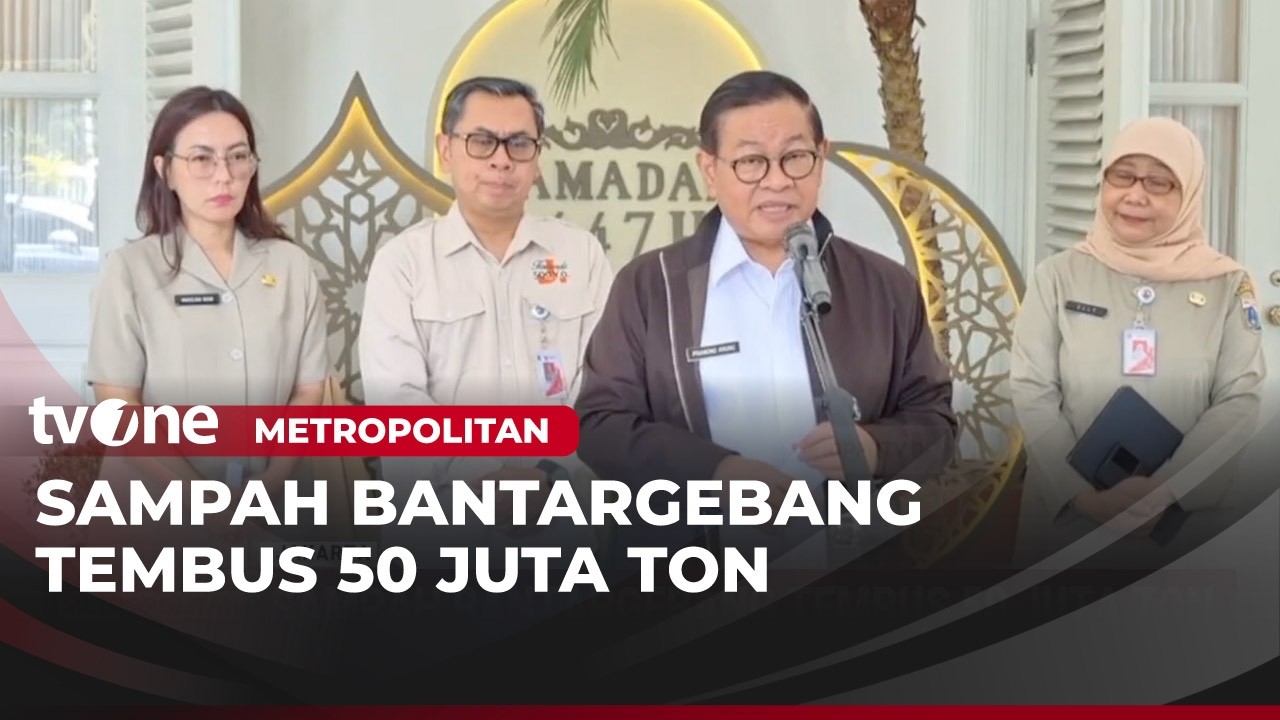
- 😀 Bantar Gebang, a major waste disposal site in Jakarta, recently witnessed a tragic landslide, leading to the deaths of seven people.
- 😀 The current waste management method in Indonesia is basic, involving collection, transport, and open disposal, which is outdated compared to global standards.
- 😀 Even Jakarta, the capital city, is far behind in implementing modern waste management solutions compared to other cities worldwide.
- 😀 President Prabowo Subianto is determined to tackle the waste management problem in Indonesia, emphasizing the need for realistic solutions rather than criticism.
- 😀 Sweden leads the world in waste management, recycling over 99% of its waste and converting it into energy through advanced waste-to-energy technology.
- 😀 Sweden has to import waste to meet the capacity of its waste-to-energy plants, underscoring the efficiency and scale of their system.
- 😀 Advanced waste-to-energy technology can convert 100 tons of waste into 700-750 kWh of electricity, which could significantly reduce waste and generate power.
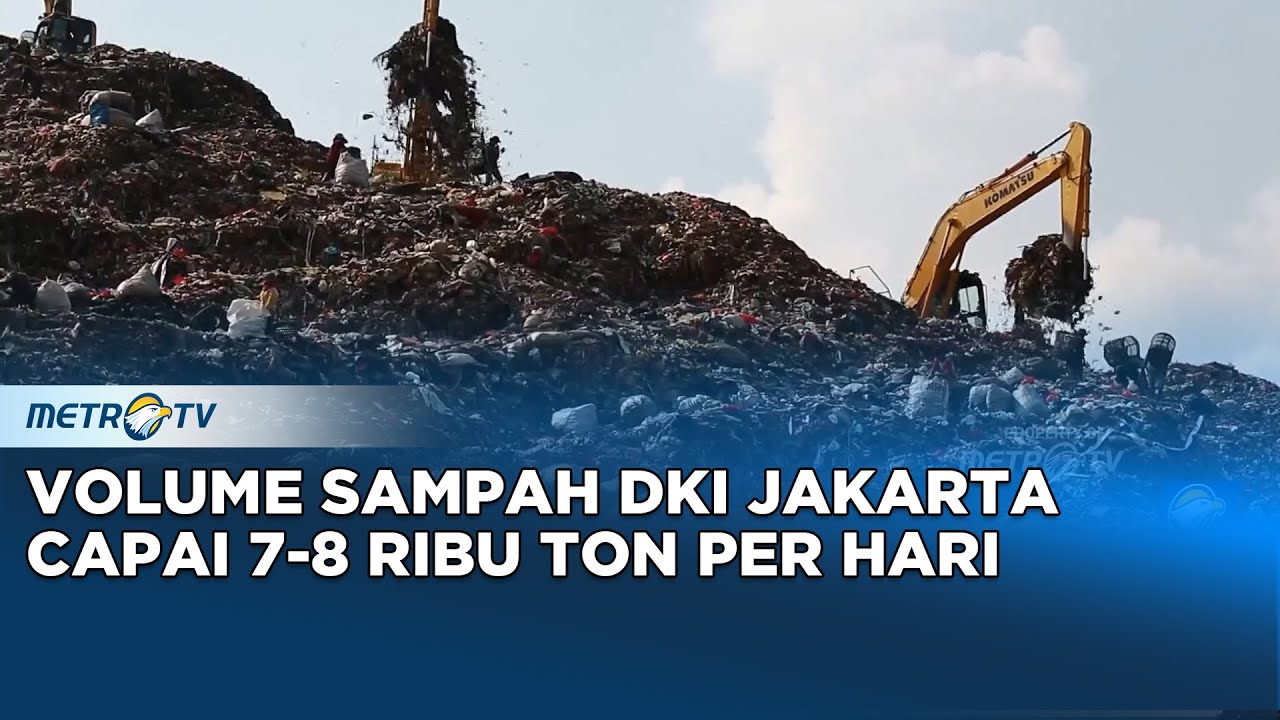
- 😀 Jakarta produces about 8,000 tons of waste daily, which could generate up to 56 MWh of electricity if processed using modern waste management technologies.
- 😀 The Indonesian government plans to launch 34 waste-to-energy projects, with an investment of nearly 3.5 billion dollars, aiming for the first phase of operation by 2028.
Q & A
What is the primary issue with waste management in Indonesia as highlighted in the script?
-The primary issue is that Indonesia still relies heavily on traditional landfill methods for waste disposal, while other countries have advanced waste management systems that convert waste into energy, such as electricity.
What tragedy occurred at the Bantar Gebang landfill, and why is it significant?
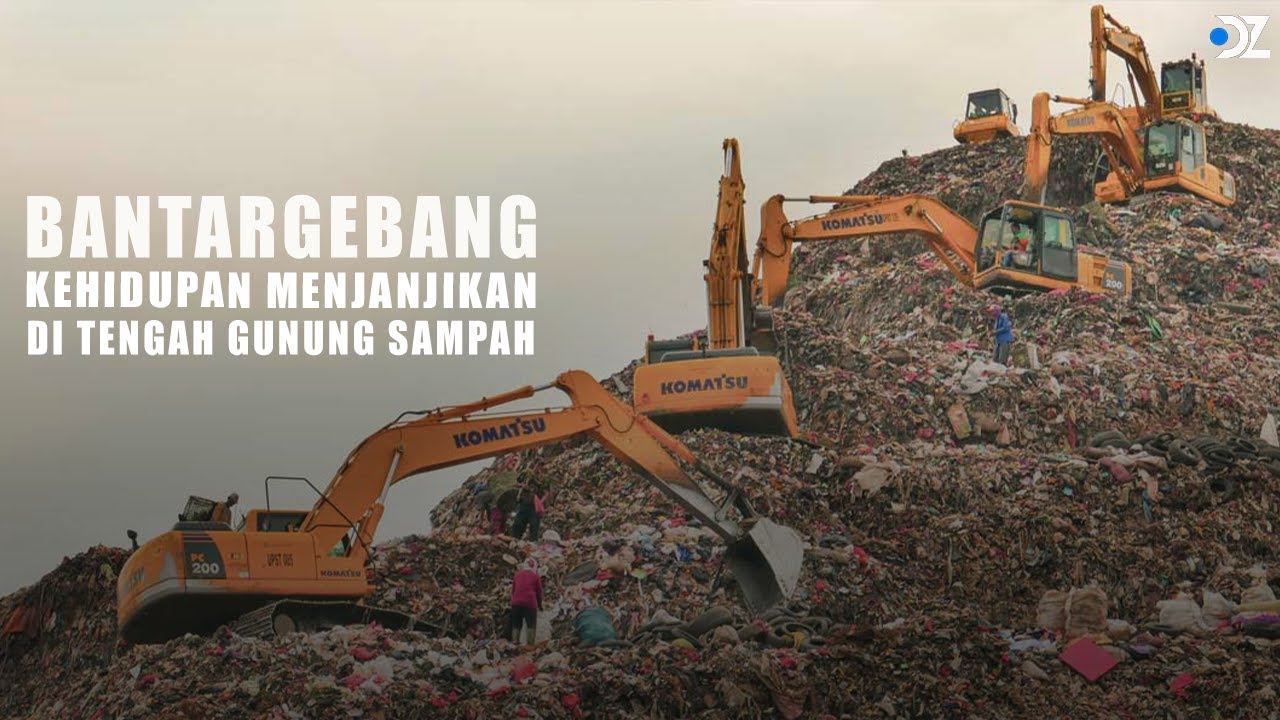
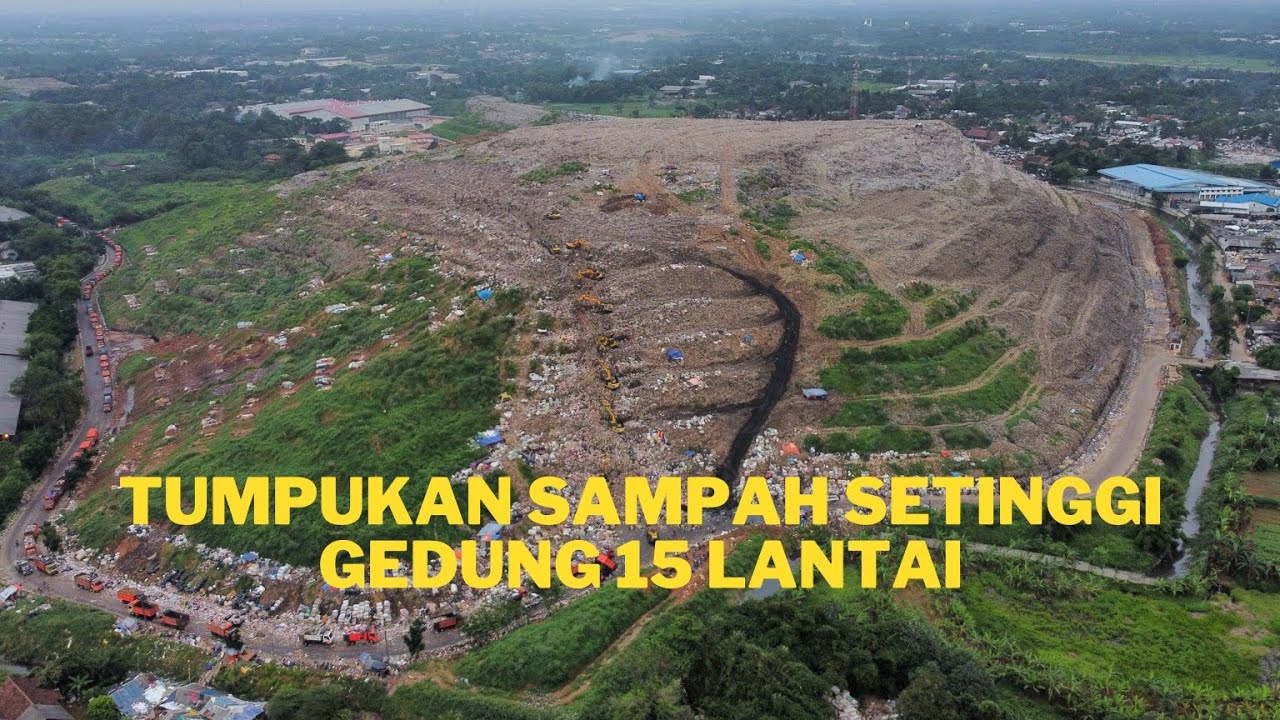
-At Bantar Gebang, a massive landslide occurred due to a pile of waste around 50 meters high, leading to the death of seven people. This tragedy highlights the dangerous and unsustainable waste management practices in Indonesia.
How does Indonesia's waste management system compare to other countries like Sweden?
-Unlike Indonesia, which still relies on landfills, Sweden has a highly advanced waste management system where less than 1% of waste ends up in landfills. They use waste-to-energy technology to convert waste into recycling products, heat, and electricity.
What is the concept of 'waste-to-energy,' and how does it work?
-'Waste-to-energy' refers to processes that convert waste materials into usable energy, such as electricity. For example, in Sweden, 100 tons of waste can generate between 700 and 750 kWh of electricity, offering a sustainable energy source.
How much waste does Jakarta generate daily, and what potential energy could it produce?
-Jakarta generates approximately 8,000 tons of waste daily. If processed using waste-to-energy technology, this could produce around 56 MWh of electricity.
What is the scale of the waste-to-energy project in Indonesia, and what are its goals?
-Indonesia plans to open 34 waste-to-energy projects, with an investment of about $3.5 billion. These projects aim to convert waste into energy and improve waste management practices across the country.
Who were chosen to implement the first phase of the waste-to-energy project in Indonesia?
-Two Chinese companies were selected to operate the first phase of the waste-to-energy project in Bekasi and Denpasar as part of Indonesia's efforts to improve waste processing.
What is the government's timeline for the waste-to-energy projects in Indonesia?
-The government plans to have the first phase of the waste-to-energy projects operational by 2028, with a second phase covering 14 additional locations.
What is the target capacity for processing waste in Bantar Gebang?
-The Bantar Gebang facility aims to process 3,000 tons of waste per day, which will help significantly reduce the amount of waste piling up at the landfill.
What is the broader impact of adopting waste-to-energy technologies in Indonesia?
-Adopting waste-to-energy technologies will help reduce the reliance on landfills, minimize environmental damage, and provide a sustainable source of energy. It can also improve waste management efficiency and create a cleaner, greener environment.
Outlines

هذا القسم متوفر فقط للمشتركين. يرجى الترقية للوصول إلى هذه الميزة.
قم بالترقية الآنMindmap

هذا القسم متوفر فقط للمشتركين. يرجى الترقية للوصول إلى هذه الميزة.
قم بالترقية الآنKeywords

هذا القسم متوفر فقط للمشتركين. يرجى الترقية للوصول إلى هذه الميزة.
قم بالترقية الآنHighlights

هذا القسم متوفر فقط للمشتركين. يرجى الترقية للوصول إلى هذه الميزة.
قم بالترقية الآنTranscripts

هذا القسم متوفر فقط للمشتركين. يرجى الترقية للوصول إلى هذه الميزة.
قم بالترقية الآنتصفح المزيد من مقاطع الفيديو ذات الصلة
Efek Longsor Bantargebang: Sampah Menumpuk | Metropolitan
Bantargebang: Janji Kehidupan Lebih Baik di Tengah Gunungan Sampah

Bantar Gebang, Potret Gunung Sampah Tertinggi dan Terbesar di Indonesia
Jutaan Sampah DKI Jakarta berkumpul disini - TPST Bantar Gebang

Merekam perjalanan sampah Jakarta
REALITAS - Bantar Gebang, Jantung Sampah Jakarta Bermuara
5.0 / 5 (0 votes)

