The Exact Walking Pace That Burns the Most Belly Fat — According to Molecular Biology
Summary
TLDRThis script reveals how slow walking can be a highly effective fat-burning method, debunking common myths about high-intensity workouts. It explains how walking at a moderate pace activates the body’s aerobic fat oxidation pathway, efficiently burning fat without triggering stress responses or cortisol release. The script highlights research showing that low-intensity exercise, especially after meals, in the morning, or in the evening, has profound benefits for fat loss, especially visceral fat. It emphasizes consistency and the power of slow walking in transforming your metabolism over time.
Takeaways
- 😀 Slow walking can burn up to 67% more fat per minute than high-intensity exercise, according to studies.
- 😀 Your body uses two types of fuel: fat and glucose. The intensity of your activity determines which one it burns.
- 😀 At low to moderate intensity (like a slow walk), your body primarily burns fat through a process called aerobic fat oxidation.
- 😀 Pushing harder during exercise (e.g., brisk walking or jogging) switches your body to burning glucose, which burns out quickly.
- 😀 High-intensity exercise triggers the release of cortisol, the stress hormone, which can lead to fat being stored around the belly.
- 😀 Elevated cortisol levels from intense exercise can increase belly fat over time, even if you're working out harder.
- 😀 Slow walking keeps cortisol levels stable, promoting fat burning in a relaxed state.
- 😀 Mitochondria in your muscles act as fat-burning furnaces, converting fat into usable energy during slow, steady exercise.
- 😀 Slow walking improves your metabolism, helping you burn more fat even when you're not exercising.
- 😀 Walking at specific times, like post-meal, in the morning, or evening, can amplify fat loss and improve overall health.
- 😀 Consistency in daily slow walking (40-60 minutes or 20 minutes after meals) leads to more effective long-term fat loss than sporadic high-intensity exercise.
Q & A
What does the body use as fuel during low-intensity exercise like slow walking?
-During low-intensity exercises, like slow walking, the body primarily burns fat. This is because the aerobic fat oxidation pathway is activated, which runs efficiently on stored body fat, including visceral fat around organs.
Why does walking at a brisk pace or jogging switch the body to burning glucose instead of fat?
-When you increase intensity, such as during brisk walking or jogging, the body switches to burning glucose as it needs quick, explosive energy. However, glucose burns out quickly, and the body starts hoarding fat for future use.
What is the impact of cortisol released during high-intensity exercise?
-Cortisol, the stress hormone, is released during high-intensity exercise, signaling the body to store fat, particularly in the abdominal region. Chronic high cortisol levels from intense exercise can lead to increased belly fat retention.
How does slow walking keep cortisol levels in check?
-Slow walking helps maintain low cortisol levels because it keeps the body in a state of parasympathetic dominance (rest and digest mode), which prevents stress responses and allows fat cells to release fat for energy.
What role do mitochondria play in fat burning during slow walking?
-Mitochondria are the powerhouses of muscle cells and are responsible for converting fat into usable energy. Slow walking provides the time and oxygen required for mitochondria to process fat through beta oxidation, resulting in efficient fat burning.
How does consistent low-intensity exercise affect the number of mitochondria in muscle cells?
-Consistent low-intensity exercise increases the number of mitochondria in muscle cells by up to 40% in just 8 weeks. More mitochondria mean more fat-burning capacity, even at rest.
What is the significance of walking after meals for fat loss?
-Walking for just 15 minutes within 30 minutes of eating can significantly reduce post-meal blood glucose spikes, which helps to lower insulin levels. Lower insulin prevents the storage of excess glucose as fat, especially in the belly area.
How does morning walking benefit metabolism and fat loss?
-Walking in the morning, especially in natural light, triggers a hormonal response that boosts insulin sensitivity, primes fat cells for oxidation, and sets the metabolic tone for the day. Morning walkers accumulate less visceral fat compared to those who walk in the evening.
What is the advantage of a slow evening walk for fat loss?
-A gentle evening walk helps to lower cortisol levels, improve heart rate variability, and support deeper sleep. Since poor sleep is strongly linked to visceral fat, an evening walk helps prevent fat accumulation while preparing the body for restful sleep.
Why is consistency important in fat loss through walking?
-Fat loss is a gradual process that requires consistency over time. Slow walking daily is more effective in the long term than intense, occasional exercise. It helps build up lipoprotein lipase, an enzyme that pulls fat from the bloodstream and helps burn it efficiently.
Outlines

هذا القسم متوفر فقط للمشتركين. يرجى الترقية للوصول إلى هذه الميزة.
قم بالترقية الآنMindmap

هذا القسم متوفر فقط للمشتركين. يرجى الترقية للوصول إلى هذه الميزة.
قم بالترقية الآنKeywords

هذا القسم متوفر فقط للمشتركين. يرجى الترقية للوصول إلى هذه الميزة.
قم بالترقية الآنHighlights

هذا القسم متوفر فقط للمشتركين. يرجى الترقية للوصول إلى هذه الميزة.
قم بالترقية الآنTranscripts

هذا القسم متوفر فقط للمشتركين. يرجى الترقية للوصول إلى هذه الميزة.
قم بالترقية الآنتصفح المزيد من مقاطع الفيديو ذات الصلة

The Best Way to Lose Fat | The Science of the Fat Burning Zone

Busting Cardio Myths Everyone STILL Believes

How to ACTUALLY Lose 10KGs FAST & Keep it Off (Based on Science) | Diet + Workout routine

The Most Underrated Cardio Routine For Fat Loss

We Need to Rethink Exercise – The Workout Paradox
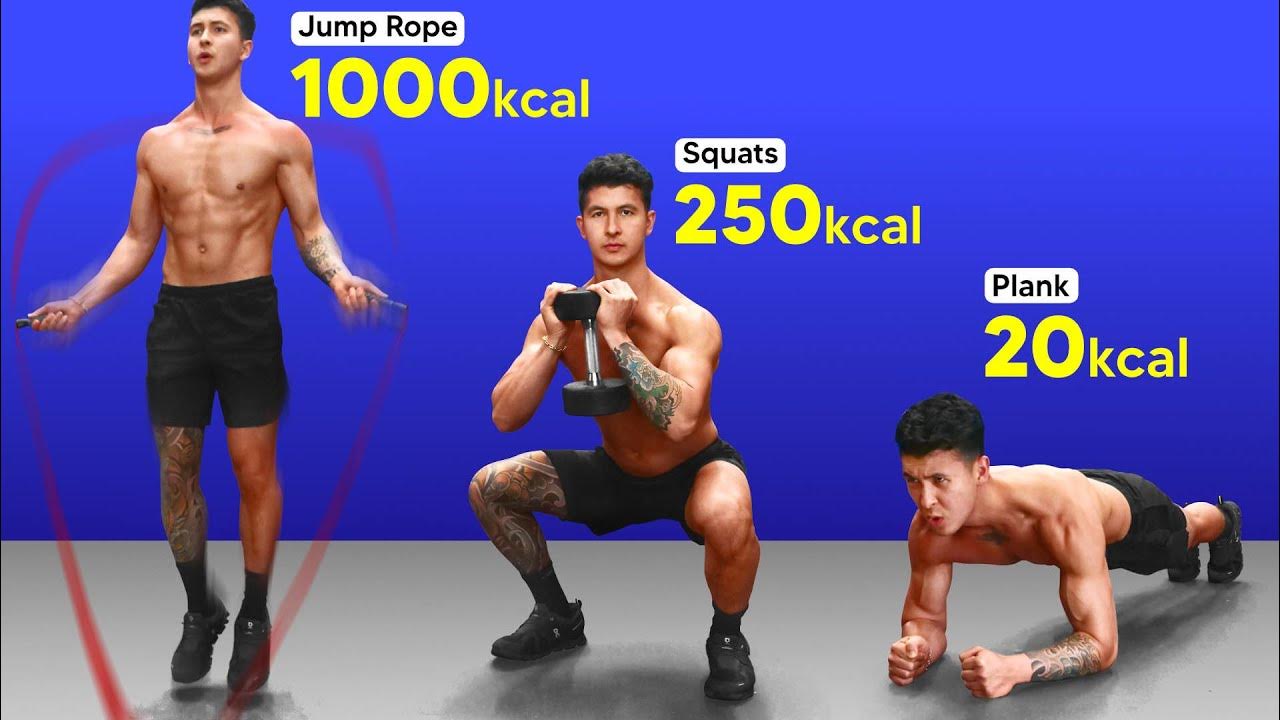
50 Fat Loss Exercises RANKED (Using Science)
5.0 / 5 (0 votes)

