Especiação - Biologia - Ensino Médio
Summary
TLDRIn this lesson, Professor Andrei explains speciation, the process by which new species arise from ancestral populations. He emphasizes that a new species forms when reproductive isolation occurs, meaning individuals can no longer interbreed successfully with the original population. While geographic isolation, such as a river splitting a population, often triggers speciation by creating different environmental pressures and adaptations, it is not strictly necessary. Over time, these adaptations lead to genetic divergence, ultimately preventing interbreeding and establishing a distinct species. The video provides a clear, step-by-step illustration of how isolation and adaptation work together to generate biodiversity.
Takeaways
- 😀 Speciation is the process responsible for the formation of new species.
- 😀 A new species is formed through a mechanism called speciation, which requires reproductive isolation from the ancestral species.
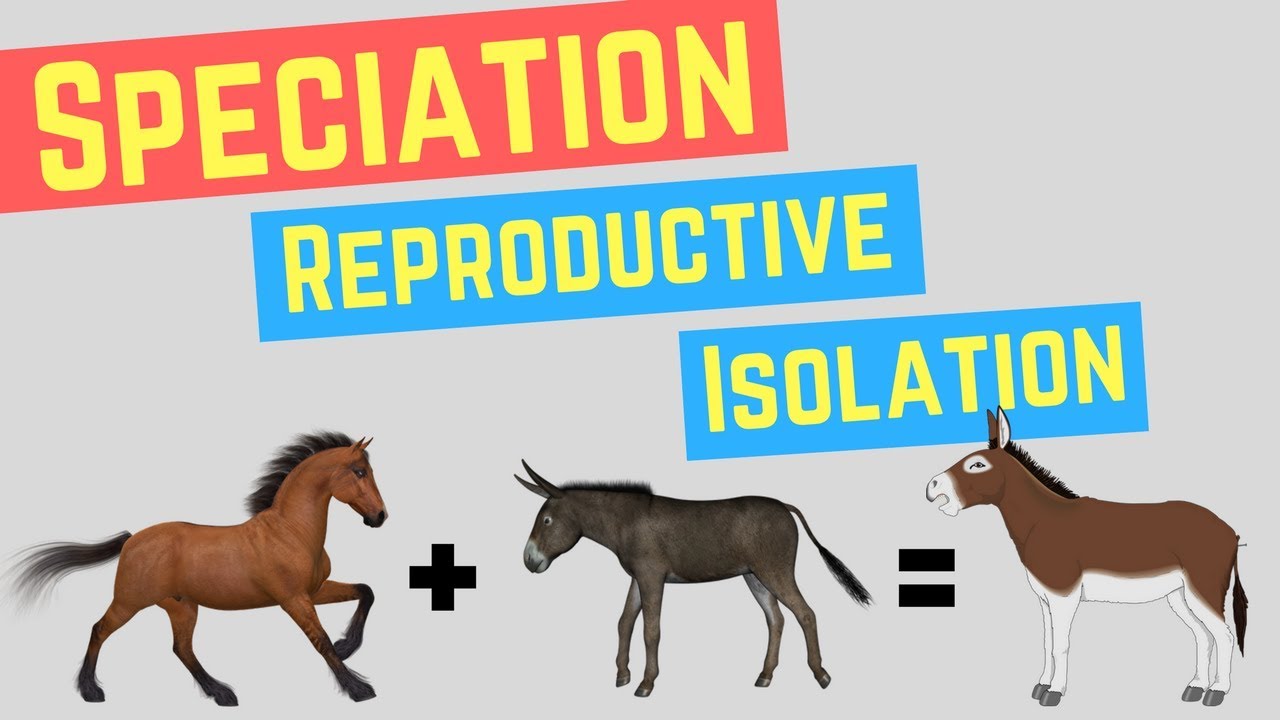
- 😀 Reproductive isolation occurs when individuals from different species can no longer reproduce successfully, meaning they cannot produce fertile offspring.
- 😀 To form a new species, an isolation barrier must exist, such as geographic isolation (e.g., a river separating populations).
- 😀 Geographic isolation leads to two separate populations, each evolving differently due to distinct environmental conditions.
- 😀 Over time, these separated populations may develop new traits and adaptations, leading to genetic divergence.
- 😀 Once reproductive isolation is achieved between the separated populations, they are considered separate species.
- 😀 New species arise when there is a barrier that prevents interbreeding between the original population and the newly formed one.
- 😀 Reproductive isolation is the key indicator of speciation, and it can result from geographic isolation or other factors.
- 😀 The most common form of speciation involves geographic isolation, where physical barriers create different environments that drive evolutionary changes.
- 😀 Speciation occurs through the gradual accumulation of genetic changes and adaptations over time, leading to the formation of a distinct new species.
Q & A
What is speciation?
-Speciation is the process by which new species are formed. It occurs when a population is divided and isolated in a way that prevents interbreeding with the ancestral species, leading to the creation of a new species.
What is the key requirement for a new species to be considered a separate species?
-The key requirement is reproductive isolation. A new species is only considered distinct when individuals from the new species can no longer reproduce with individuals from the ancestral species.
What is reproductive isolation?
-Reproductive isolation occurs when individuals of different species are unable to interbreed and produce fertile offspring. This can be due to behavioral, genetic, or geographic differences.
How does geographic isolation contribute to speciation?
-Geographic isolation happens when a physical barrier, like a river or mountain range, separates a population into two groups. Over time, these groups experience different environmental pressures and adapt separately, leading to genetic differences and eventually reproductive isolation.
What role do environmental conditions play in speciation?
-Different environmental conditions in isolated regions lead to different adaptations in populations. These adaptations can lead to the development of new characteristics that prevent interbreeding with the ancestral population, contributing to the creation of a new species.
Can speciation occur without geographic isolation?
-Yes, speciation can occur without geographic isolation, though it is less common. Other factors, such as genetic mutations, changes in behavior, or ecological niches, can also lead to reproductive isolation and the formation of a new species.
What is the significance of a new species being unable to reproduce with the ancestral species?
-When a new species cannot reproduce with the ancestral species, it confirms that reproductive isolation has occurred. This is a defining characteristic of speciation, indicating that the two populations have diverged sufficiently to become separate species.
Why is reproductive isolation important in defining a species?
-Reproductive isolation is important because it ensures that two populations have evolved enough genetic differences to no longer interbreed, thereby preventing gene flow between the species and solidifying their status as distinct species.
How do new individuals arise from isolated populations?
-In isolated populations, genetic mutations and adaptations to the new environment lead to the development of new individuals with traits that are better suited to the local conditions. Over time, these traits accumulate and lead to the creation of a new species.
What does the term 'isolation' refer to in the context of speciation?
-Isolation in speciation refers to the physical or behavioral separation of a population, leading to a lack of interbreeding. This isolation can be geographic (such as a river separating two groups) or reproductive (such as behavioral differences preventing mating).
Outlines

هذا القسم متوفر فقط للمشتركين. يرجى الترقية للوصول إلى هذه الميزة.
قم بالترقية الآنMindmap

هذا القسم متوفر فقط للمشتركين. يرجى الترقية للوصول إلى هذه الميزة.
قم بالترقية الآنKeywords

هذا القسم متوفر فقط للمشتركين. يرجى الترقية للوصول إلى هذه الميزة.
قم بالترقية الآنHighlights

هذا القسم متوفر فقط للمشتركين. يرجى الترقية للوصول إلى هذه الميزة.
قم بالترقية الآنTranscripts

هذا القسم متوفر فقط للمشتركين. يرجى الترقية للوصول إلى هذه الميزة.
قم بالترقية الآن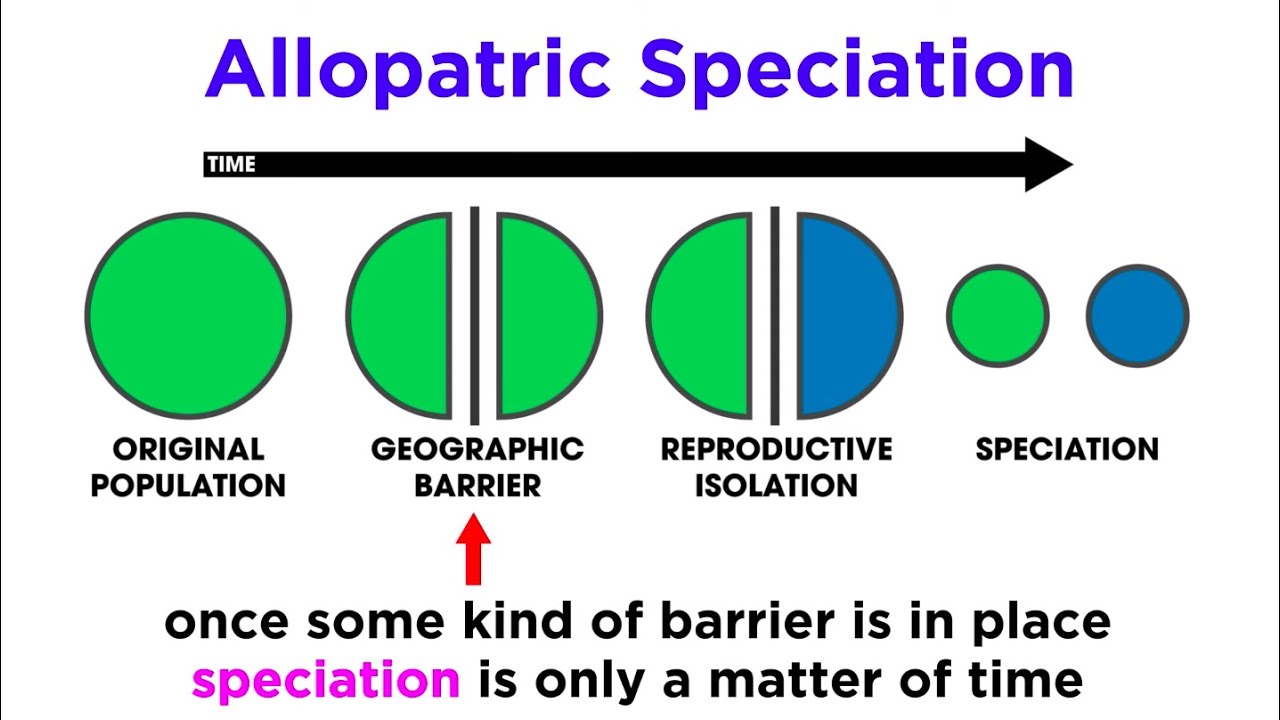




5.0 / 5 (0 votes)

