MÉDICA REVELA: La vitamina olvidada que el cerebro necesita después de los 60 (y casi nadie consume)
Summary
TLDRThis video highlights the often-overlooked role of vitamin B12 in maintaining brain health for adults over 60. Dr. Isabel Arandía explains how a deficiency can silently cause memory loss, confusion, mood changes, and nerve damage, often mistaken as normal aging. She details risk factors, symptoms, and the importance of proper testing, including blood B12, methylmalonic acid, and homocysteine levels. The video also outlines dietary sources, supplementation options, and strategies to improve absorption. Viewers are encouraged to take proactive steps to protect cognitive function, preserve independence, and enhance quality of life through awareness, evaluation, and targeted intervention.
Takeaways
- 😀 A common nutritional deficiency after 60 years of age is linked to memory loss, mental confusion, and mood changes.
- 😀 Vitamin B12, often forgotten in clinical routines, is essential for brain health and functioning, acting like an electrician for the nervous system.
- 😀 As we age, our ability to absorb Vitamin B12 decreases, leading to potential neurological damage, even if one eats well.
- 😀 A deficiency in Vitamin B12 can increase the risk of dementia, depression, confusion, and even mobility loss, with symptoms often appearing years later.
- 😀 Many people mistakenly associate memory loss and mental decline with aging, but it's often a result of neglected B12 deficiency.
- 😀 Common signs of B12 deficiency include memory loss, difficulty concentrating, fatigue, tingling sensations, dizziness, and mood changes.
- 😀 Vitamin B12 deficiency is not always detectable through standard blood tests; tests for methylmalonic acid (MMA) and homocysteine levels are crucial.
- 😀 Some people are more vulnerable to B12 deficiency, including those using anti-acid medications, vegetarians, vegans, and those with gastric or intestinal issues.
- 😀 Correcting B12 deficiency through diet, supplements, or injections can significantly improve mental clarity, memory, and overall brain health.
- 😀 The best food sources of Vitamin B12 are animal-based products like liver, fish, eggs, and dairy, but supplementation may be necessary for some individuals.
- 😀 To protect brain health, it's important to address potential B12 deficiency early, especially for those over 60, by seeking proper medical advice and treatment.
Q & A
What is the main cause of memory loss in people over 60 according to the video?
-The main cause highlighted is a deficiency of vitamin B12, which is directly linked to memory loss, confusion, mood changes, and neurological decline, rather than simply aging.
Why is vitamin B12 called 'the forgotten vitamin'?
-Vitamin B12 is called 'the forgotten vitamin' because it is often overlooked by both patients and many healthcare providers, despite being essential for brain and nerve function.
How does a deficiency of B12 affect the brain and nervous system?
-A B12 deficiency weakens the myelin that surrounds nerves, causing slower and unstable communication between neurons, which leads to memory issues, confusion, mood changes, balance problems, and even increased risk of neurological diseases.
Why do older adults often struggle to absorb enough B12 from food?
-As people age, the stomach produces less gastric acid, which is necessary to release B12 from food. Additionally, conditions like gastritis, bariatric surgery, use of acid-suppressing drugs, and certain diets can further reduce absorption.
What are some common symptoms of B12 deficiency in adults over 60?
-Symptoms include recent memory loss, forgetting names or dates, mental and physical fatigue, tingling in hands or feet, dizziness, balance problems, and unexplained mood changes or sadness.
Which groups are particularly at risk for B12 deficiency?
-At-risk groups include older adults over 60, users of acid-suppressing medications, people with gastrointestinal conditions, vegetarians or vegans not supplementing B12, and those with poor or restrictive diets.
How can B12 deficiency be accurately detected?
-In addition to measuring B12 levels in blood, testing methylmalonic acid (MMA) and homocysteine levels is recommended because these provide more sensitive indicators of functional B12 deficiency.
What are the main ways to restore adequate B12 levels?
-Restoration can be achieved through: 1) a B12-rich diet including meat, eggs, fish, and dairy; 2) oral or sublingual supplementation; 3) intramuscular injections in severe cases, all under medical guidance.
Why is early detection and treatment of B12 deficiency important?
-Early detection and treatment prevent permanent neurological damage, protect memory, mental clarity, balance, and overall independence, since prolonged deficiency can cause irreversible harm.
Can people feel healthy and still have a B12 deficiency?
-Yes, individuals can appear healthy and have a good diet but still be deficient due to poor absorption caused by age, medications, or gastrointestinal issues.
What lifestyle actions are recommended to protect brain health related to B12?
-Key actions include monitoring symptoms, requesting comprehensive B12 testing, maintaining a balanced B12-rich diet, managing gastrointestinal health, avoiding unnecessary long-term use of acid-suppressing medications, and supplementing B12 as advised by a healthcare professional.
Outlines

هذا القسم متوفر فقط للمشتركين. يرجى الترقية للوصول إلى هذه الميزة.
قم بالترقية الآنMindmap

هذا القسم متوفر فقط للمشتركين. يرجى الترقية للوصول إلى هذه الميزة.
قم بالترقية الآنKeywords

هذا القسم متوفر فقط للمشتركين. يرجى الترقية للوصول إلى هذه الميزة.
قم بالترقية الآنHighlights

هذا القسم متوفر فقط للمشتركين. يرجى الترقية للوصول إلى هذه الميزة.
قم بالترقية الآنTranscripts

هذا القسم متوفر فقط للمشتركين. يرجى الترقية للوصول إلى هذه الميزة.
قم بالترقية الآنتصفح المزيد من مقاطع الفيديو ذات الصلة

Crucial Vitamin B12 Foods
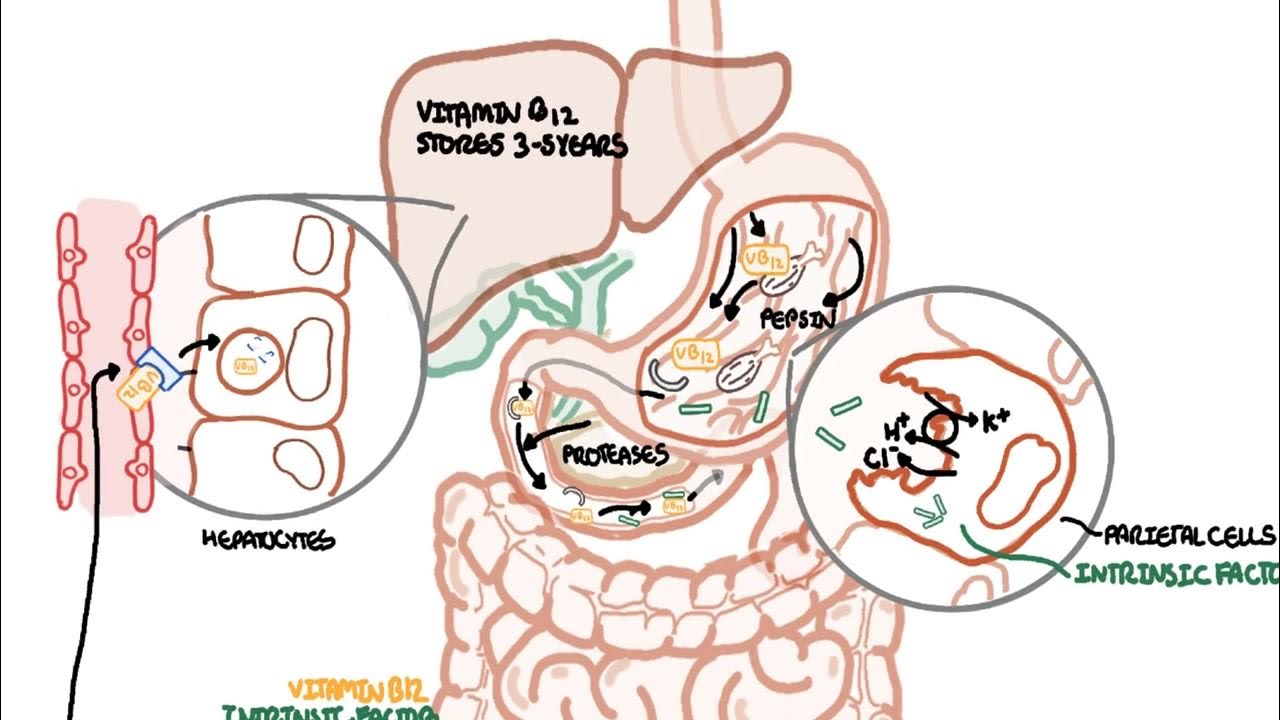
Understanding Vitamin B12 metabolism

Bu Uyarı İşaretlerini ASLA GÖZ ARDI ETMEYİN! | Dr. Berg Türkçe

10 BEST supplements for Every Budget | Dr. Steven Gundry
4 Nutrient Deficiencies Making You Age Faster (90% at Risk)

Vitamin B12 & Why We Need It | Biochemistry, Absorption, & Important Enzymes
5.0 / 5 (0 votes)

