Symbiotic Relationships: Mutualism, Parasitism & Commensalism | EasyTeaching
Summary
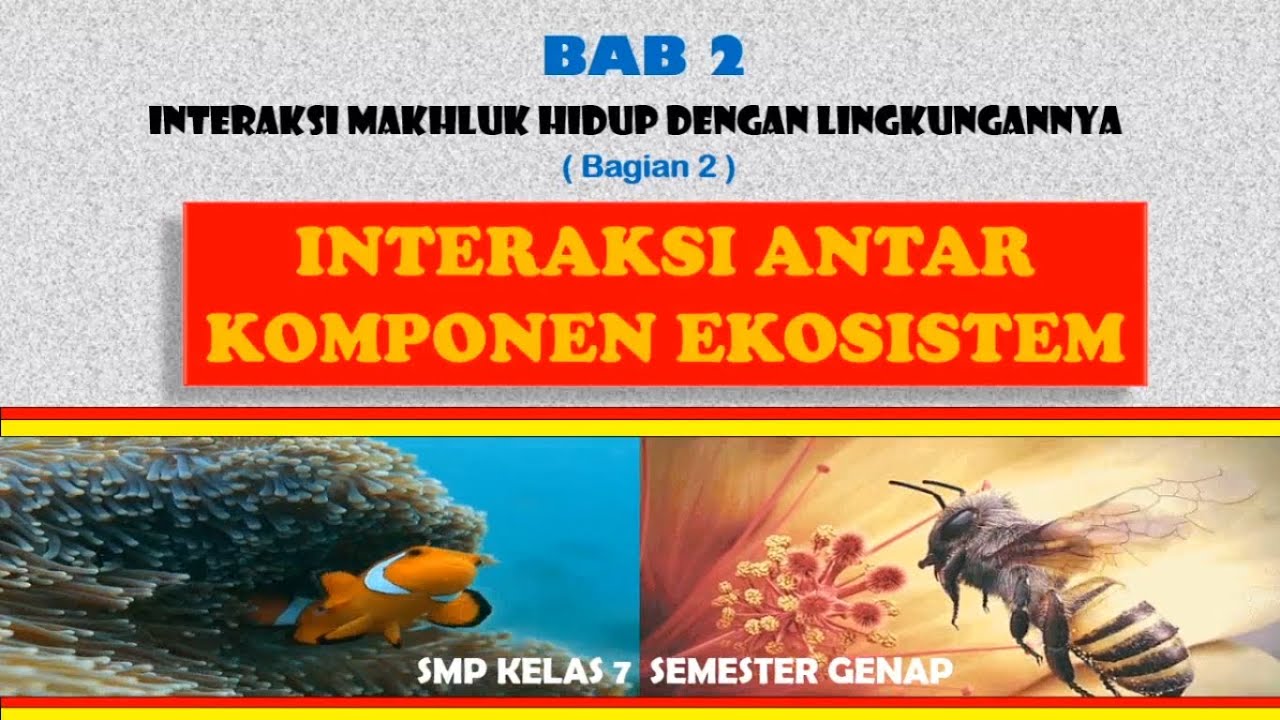
TLDREcosystems rely on symbiotic relationships between organisms to maintain balance. These relationships range from mutualism, where both species benefit, to parasitism, where one benefits at the other's expense, and commensalism, where one benefits without harming the other. The script explores examples like the mutualistic bond between bees and flowers, the parasitic connection between cuckoos and warblers, and commensalism in orchids and trees. Understanding these interactions highlights the interconnectedness of nature and the vital roles organisms play in each other's survival.
Takeaways
- 😀 Ecosystems are complex communities where organisms rely on each other and the environment for survival.
- 😀 In rainforests, animals depend on leaf litter, fallen logs, and trees for shelter and camouflage.
- 😀 Herbivores like iguanas and sloths rely on plants for food, while carnivores like anacondas and harpy eagles prey on them.
- 😀 Symbiotic relationships are close interactions between different species in an ecosystem, helping maintain balance.
- 😀 Mutualism is a type of symbiotic relationship where both organisms benefit, like ants protecting caterpillars in exchange for nectar.
- 😀 Not all symbiotic relationships are mutualistic—parasitism and commensalism are also common.
- 😀 In parasitism, one organism benefits at the expense of the other, such as ticks feeding on deer and causing discomfort or disease.
- 😀 Commensalism involves one species benefiting without harming or helping the other, such as birds nesting in trees without affecting them.
- 😀 An example of commensalism is orchids growing on trees, benefiting from rainwater and nutrients without harming the tree.
- 😀 A parasitic relationship example is the cuckoo laying eggs in a warbler’s nest, leading to competition for resources for the warbler’s own young.
- 😀 Mutualism is also seen in the relationship between bees and flowers, where bees collect nectar and pollinate flowers, aiding in plant reproduction.
Q & A
What is an ecosystem and how are organisms within it connected?
-An ecosystem is a complex community of living organisms interacting with each other and their environment. Organisms are connected through relationships that help maintain balance, from providing food and shelter to predator-prey interactions.
What are symbiotic relationships?
-Symbiotic relationships are close and long-term interactions between organisms of different species where at least one species benefits.
What is mutualism and can you give an example?
-Mutualism is a type of symbiotic relationship where both species benefit. An example is bees and flowers: bees get nectar for food, and flowers get pollinated.
How do caterpillars and ants demonstrate mutualism?
-Certain caterpillars provide nectar droplets to ants, and in return, ants protect the caterpillars from predators, so both benefit from the relationship.
What is parasitism and how does it affect the host?
-Parasitism is a relationship where one species benefits while the other is harmed. The parasite gains resources like food or shelter from the host, which may suffer harm or disease. An example is ticks feeding on deer.
How does the cuckoo and warbler interaction illustrate parasitism?
-The female cuckoo lays its egg in the warbler's nest, causing the warbler to care for the cuckoo chick. The warbler’s own offspring may receive less care, illustrating harm to the host while the parasite benefits.
What is commensalism and can you provide an example?
-Commensalism is a type of relationship where one species benefits while the other is neither helped nor harmed. For example, orchids growing on tree trunks gain nutrients and protection, while the host tree remains unharmed.
How do birds and trees demonstrate commensalism?
-Birds build nests on tree branches, using them for support and safety, while the trees themselves are not affected.
Why are symbiotic relationships important in ecosystems?
-Symbiotic relationships help maintain ecological balance by facilitating interactions like pollination, protection, and food chains, which are essential for survival and reproduction within the ecosystem.
Can you give examples of all three types of symbiotic relationships?
-Yes. Mutualism: bees and flowers; Parasitism: ticks and deer or cuckoo and warbler; Commensalism: orchids on trees or birds nesting in trees.
How do herbivores and carnivores fit into ecosystem relationships?
-Herbivores, like iguanas and sloths, feed on plants, while carnivores, like anacondas and harpy eagles, feed on herbivores. These interactions form the food web and contribute to the balance of the ecosystem.
What role do spiders play in rainforest ecosystems according to the transcript?
-Spiders use trees to set traps, illustrating how species rely on their environment for survival and showing interconnected relationships in the ecosystem.
Outlines

هذا القسم متوفر فقط للمشتركين. يرجى الترقية للوصول إلى هذه الميزة.
قم بالترقية الآنMindmap

هذا القسم متوفر فقط للمشتركين. يرجى الترقية للوصول إلى هذه الميزة.
قم بالترقية الآنKeywords

هذا القسم متوفر فقط للمشتركين. يرجى الترقية للوصول إلى هذه الميزة.
قم بالترقية الآنHighlights

هذا القسم متوفر فقط للمشتركين. يرجى الترقية للوصول إلى هذه الميزة.
قم بالترقية الآنTranscripts

هذا القسم متوفر فقط للمشتركين. يرجى الترقية للوصول إلى هذه الميزة.
قم بالترقية الآن




5.0 / 5 (0 votes)

