Pembagian Air dalam Hukum Fiqih | NU Online
Summary
TLDRThis video discusses the different types of water used in Islamic purification rituals. It outlines seven types of water: rainwater, seawater, river water, well water, spring water, dew water, and stagnant water. The script explains the classifications of water for purification purposes, such as 'pure water', 'pure but disliked water', 'impure water', and the specific rules regarding used or contaminated water. It also addresses the concept of water becoming impure if it undergoes significant changes or if it comes into contact with impurity, highlighting the importance of using water correctly in religious practices.
Takeaways
- 😀 Water is essential for purification from najis and hadath, both minor and major.
- 😀 There are seven types of water that can be used for purification, according to Sheikh Muhammad Ibn Qasim al-Ghazi: rainwater, seawater, river water, well water, spring water, dew water, and water from natural sources.
- 😀 Water can be classified into different types based on its purity and usage for purification.
- 😀 'Mutlak water' refers to neutral water that does not have any specific name attached to it, such as water from rivers or wells, which can be used for purification.
- 😀 Water can still be classified as mutlak (neutral) even if it undergoes changes in color, taste, or odor, as long as those changes are not significant enough to alter its basic nature.
- 😀 'Musyammas water' refers to water that has been heated under the sun and is considered makruh (discouraged) to use for purification, although some scholars have different opinions on its use.
- 😀 'Musta'mal water' is water that has been used previously for purification (e.g., wudu or ghusl), but it cannot be used again unless it is at least 270 liters and has not undergone significant changes.
- 😀 'Mutagayir water' refers to water that has undergone significant changes in color, taste, or odor due to being mixed with other substances, making it no longer neutral.
- 😀 'Mutanajis water' is water that has been contaminated with najis (impure substances). Even if it is a large amount of water, if its characteristics change, it becomes impure and cannot be used for purification.
- 😀 'Haram water' refers to water that is lawful in nature but becomes unlawful to use when obtained through forbidden means, such as stolen water. While its use for purification is valid, the act of using stolen water is prohibited.
Q & A
What is the primary purpose of water in the context of the script?
-The primary purpose of water is to purify from najis (impurities) and hadas (ritual impurity), whether it's minor or major.
How many types of water are mentioned in the script for purification?
-Seven types of water are mentioned: rainwater, seawater, river water, well water, spring water, and dew water.
What is meant by 'air mutlak' or 'neutral water'?
-'Air mutlak' or neutral water refers to water that does not have a specific name attached to it, such as coconut water, tea, or coffee. It is pure and suitable for purification unless it undergoes a significant change.
What happens if water undergoes a slight change in color, smell, or taste?
-If the water undergoes a slight change in color, taste, or smell due to natural causes like long-term stagnation or environmental factors, it is still considered 'air mutlak' and remains purifying.
What is 'air musyammas' and why is it considered makruh?
-'Air musyammas' refers to water that has been heated by the sun. It is considered makruh (discouraged) by some scholars due to differing views on its effects on purification.
What does 'air musta'mal' refer to?
-'Air musta'mal' refers to water that has been used for purification, such as wudu or ghusl. It cannot be used for purification again unless it meets specific conditions, such as a volume of at least 270 liters and no significant change in its properties.
Can used water be purified again?
-Yes, used water can still be considered purifying if it meets the required volume of 270 liters or more and has not undergone a significant change in its characteristics.
What is 'air mutanajis' and how is it categorized?
-'Air mutanajis' refers to water that has been contaminated by najis (impurities). If the water changes in color, smell, or taste due to the contamination, it is considered impure and cannot be used for purification.
What happens to water when it is mixed with substances like tea or coffee?
-When water is mixed with substances like tea or coffee, its neutral property changes. The water becomes classified as the specific type of water it was mixed with (e.g., tea or coffee), and it no longer remains 'air mutlak'.
What is the ruling on using stolen water for purification?
-Using stolen water for purification is not permissible as it is considered haram (forbidden) due to the unlawful acquisition of the water, although the purification process itself would still be valid.
Outlines

هذا القسم متوفر فقط للمشتركين. يرجى الترقية للوصول إلى هذه الميزة.
قم بالترقية الآنMindmap

هذا القسم متوفر فقط للمشتركين. يرجى الترقية للوصول إلى هذه الميزة.
قم بالترقية الآنKeywords

هذا القسم متوفر فقط للمشتركين. يرجى الترقية للوصول إلى هذه الميزة.
قم بالترقية الآنHighlights

هذا القسم متوفر فقط للمشتركين. يرجى الترقية للوصول إلى هذه الميزة.
قم بالترقية الآنTranscripts

هذا القسم متوفر فقط للمشتركين. يرجى الترقية للوصول إلى هذه الميزة.
قم بالترقية الآنتصفح المزيد من مقاطع الفيديو ذات الصلة

Materi Fiqih - Bab Thaharah || Pengertian Thaharah, Hadas, Najis, Air ( Pelajaran Fiqih Kelas 7 )
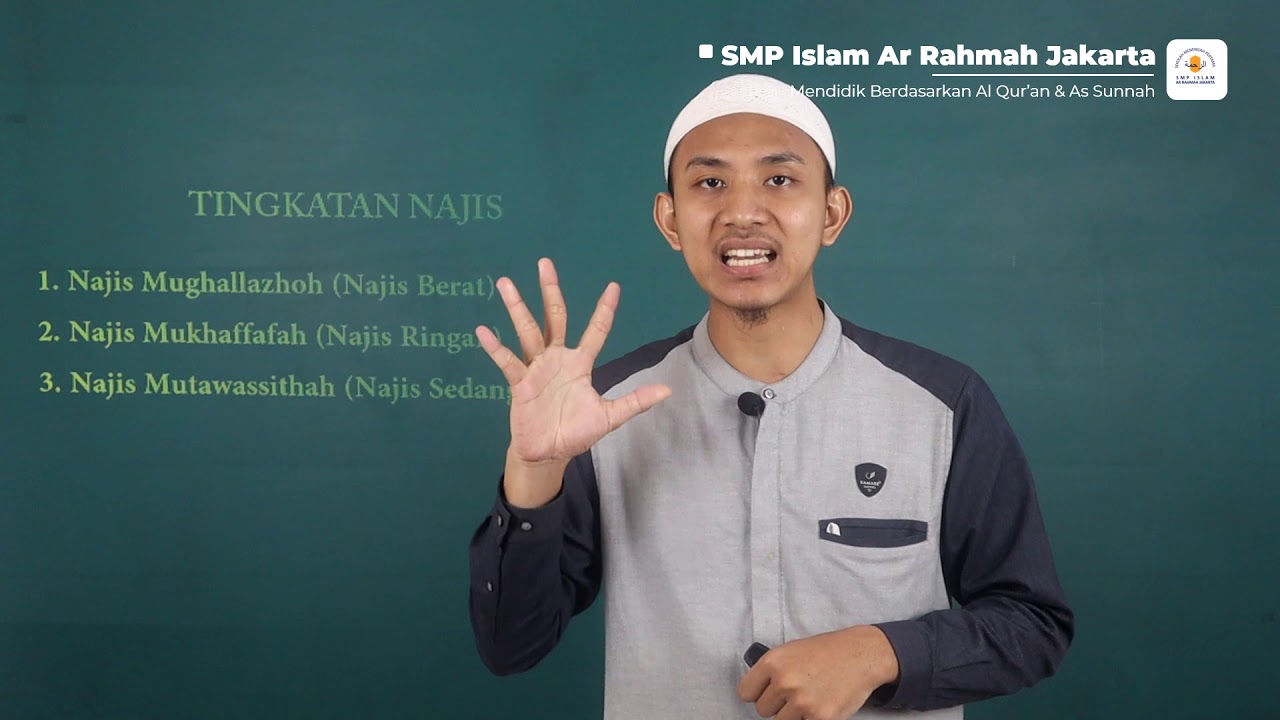
1. Fiqh Ibadah Bab Thaharah
Air Suci Tapi Tidak Mensucikan (Air Musta'mal) | Buya Yahya | Fiqih Praktis | 1 April 2016
Fikih Thaharah - Materi 01 Mukadimah Dan Pembahasan Air
NGAJI KITAB | Thaharah | EPISODE 14 | HIRA 2026
PAI SD KELAS 1 : 06. PENGERTIAN BERSUCI (THAHARAH)
5.0 / 5 (0 votes)

