Nilai-Nilai Islam dan Kearifan Lokal dari Berbagai Suku di Indonesia- Materi SKI Kelas 9 MTs/SMP
Summary
TLDRThis video explores the integration of Islamic values with local wisdom across Indonesia's diverse ethnic groups. It covers the key roles humans have as servants of Allah, leaders, and vicegerents, and how these are reflected in daily life and culture. The video highlights various Indonesian traditions, such as *tahlilan*, *Sekaten*, *sholawatan*, and *balimau kasai*, showing how each ethnic group like the Javanese, Madurese, Sundanese, Malay, Bugis, and Minangkabau express their faith through cultural rituals. It emphasizes the harmonious blend of Islamic teachings with local customs to enrich the community's spiritual and social life.
Takeaways
- 😀 Human beings have three key roles in life: as *hamba Allah* (servants of God), *imaratul fil ardh* (leaders on Earth), and *khalifatullah fil ardh* (representatives of God on Earth).
- 😀 The ultimate goal for these roles is achieving *Sa'adatud-Darain*—happiness in this world and the Hereafter.
- 😀 Islamic values are deeply integrated into Indonesian society, such as through the naming conventions and the influence of Arabic in everyday language.
- 😀 Many Indonesian names, such as *Ahmad* and *Muhammad*, reflect Islamic roots and Arabic language influences.
- 😀 The days of the week in Indonesian are derived from Arabic terms, further demonstrating the impact of Islam on daily life.
- 😀 Traditions like *tahlilan*, *Sekaten*, and *Grebeg Maulid* in Javanese culture reflect Islamic teachings, blending cultural and religious practices.
- 😀 The Madurese practice of *Sholawatan* involves the communal recitation of praise for Prophet Muhammad, emphasizing religious unity.
- 😀 The Sundanese culture incorporates various Islamic rituals, such as *tingkepan* for the safety of mothers and children and *rendah mendingan* during pregnancy.
- 😀 In the Malay community, practices like *balimau kasai* and *petang megang* demonstrate the role of cleansing and pilgrimage in spiritual preparation.
- 😀 The Bugis and Minangkabau cultures feature unique Islamic customs, such as *Shalawat Dulang* in Bugis, where praises for the Prophet are sung to rhythmic beats, and the tradition of *Mandi Balimau* in Minangkabau before Ramadan.
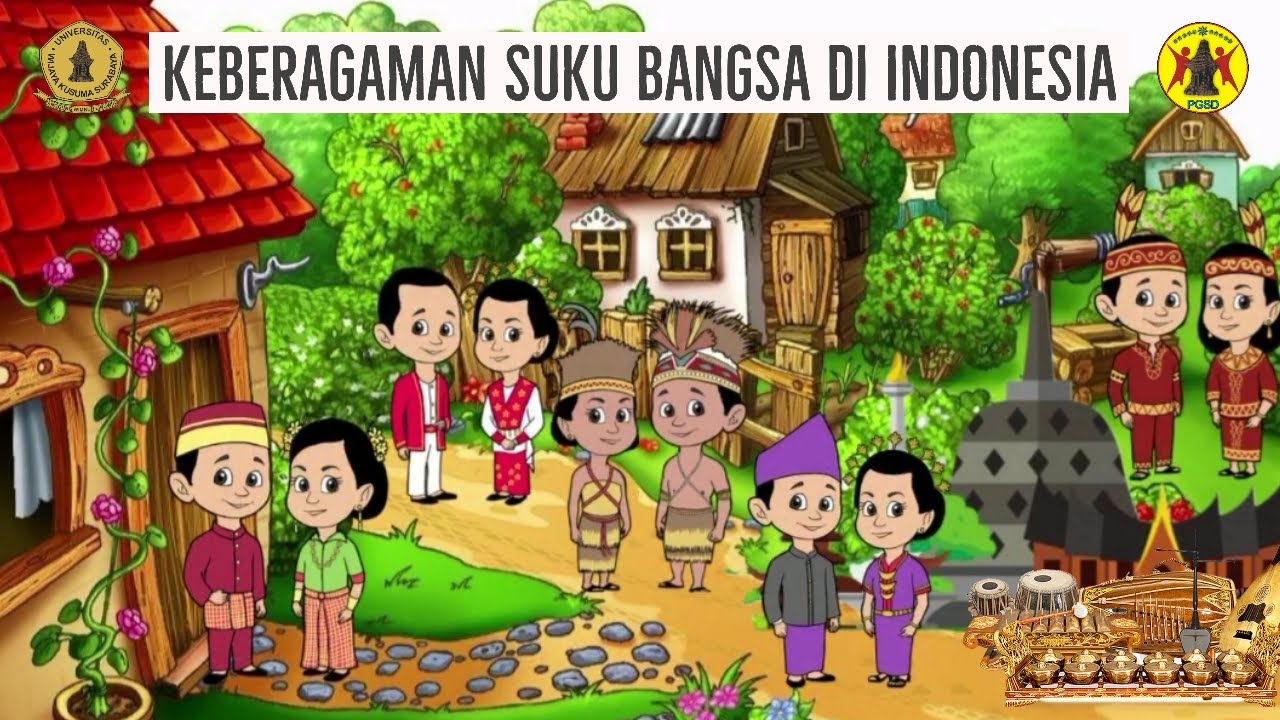
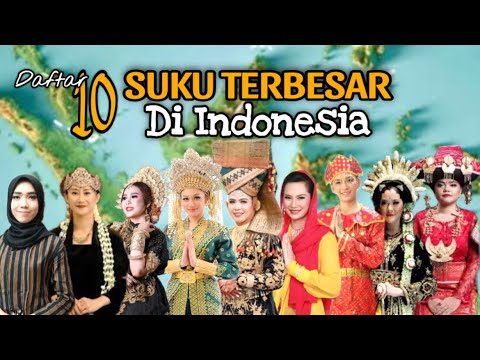
- 😀 All these cultural practices show how Indonesia’s diverse ethnic groups have adapted and integrated Islamic teachings into their local traditions, ensuring that faith and culture coexist harmoniously.
Q & A
What are the three main roles of humans according to the Islamic teachings discussed in the script?
-The three main roles of humans are: 1) As servants of Allah (abid), 2) As leaders or rulers on Earth (imaratul fil ardh), and 3) As representatives of Allah on Earth (khalifatullah fil ardh).
How is the Islamic calendar reflected in the Indonesian language?
-The names of the days in the Indonesian calendar are derived from Arabic, such as 'Ahad' for Sunday (meaning 'one'), 'Isnin' for Monday (meaning 'two'), 'Selasa' for Tuesday (meaning 'three'), and so on.
What is 'tahlilan' and how is it practiced in Javanese culture?
-'Tahlilan' is a ritual of reading Quranic verses, performing dhikr (remembrance of Allah), and making prayers. It is commonly held on significant occasions, such as during the third, seventh, and fortieth days after a death, and often ends with a communal meal.
What is the significance of the term 'Gusti kang Murbeng Dumadi' in Javanese culture?
-The term 'Gusti kang Murbeng Dumadi' is a Javanese phrase used as a substitute for 'Allah Rabbul Alamin,' referring to God as the Creator of the universe.
What is the tradition of 'Sekaten' in Javanese culture?
-Sekaten is a traditional ceremony to celebrate the birth of Prophet Muhammad. It originated from the Demak Sultanate and is now celebrated in Yogyakarta and Surakarta, marked by performances, processions, and religious rituals.
What role does 'Barzanji' play in various ethnic traditions in Indonesia?
-Barzanji is the recitation of a book that praises Prophet Muhammad, and it is performed in various Indonesian ethnic groups such as the Javanese, Bugis, and Minangkabau, particularly during the celebration of the Prophet's birthday (Maulid).
What is the purpose of the 'Suronan' tradition in Javanese culture?
-Suronan is a ceremony to mark the Islamic New Year (Muharram). It involves visiting the graves of revered figures (wali) and offering special foods as a gesture of gratitude to Allah.
How does the tradition of 'Kupatan' or 'Bodho Kupat' relate to Eid al-Fitr?
-Kupatan, also known as Bodho Kupat, is a tradition of eating ketupat (rice cakes) a week after Eid al-Fitr, symbolizing the completion of fasting in Ramadan and celebrating the holiday with family and community.
What is the 'Megengan' tradition, and how does it relate to Ramadan in Java?
-Megengan is a Javanese tradition of beating a drum to signal the beginning of Ramadan. It is done to announce that the fasting month is approaching and to prepare the community for the start of Ramadan.
What does 'Shalawat' or 'Sholawatan' mean in Madurese culture?
-Shalawat, or Sholawatan, refers to the practice of reciting prayers and praises for Prophet Muhammad. In Madurese culture, it is often performed in homes, where people gather to recite it in a communal setting as an act of devotion.
Outlines

هذا القسم متوفر فقط للمشتركين. يرجى الترقية للوصول إلى هذه الميزة.
قم بالترقية الآنMindmap

هذا القسم متوفر فقط للمشتركين. يرجى الترقية للوصول إلى هذه الميزة.
قم بالترقية الآنKeywords

هذا القسم متوفر فقط للمشتركين. يرجى الترقية للوصول إلى هذه الميزة.
قم بالترقية الآنHighlights

هذا القسم متوفر فقط للمشتركين. يرجى الترقية للوصول إلى هذه الميزة.
قم بالترقية الآنTranscripts

هذا القسم متوفر فقط للمشتركين. يرجى الترقية للوصول إلى هذه الميزة.
قم بالترقية الآن



5.0 / 5 (0 votes)

