Trump–Netanyahu weigh strike option as Iran goes on high alert
Summary
TLDRThe Middle East is at a critical crossroads, shaped by slow-moving pressures and diplomatic efforts. U.S. President Donald Trump and Israeli Prime Minister Benjamin Netanyahu are central to the discussions, focusing on nuclear negotiations with Iran, regional stability, and military options. The region is wary of past failures in diplomacy and wary of potential military escalation. Internal and external pressures influence decisions, from the Gulf countries to European powers. While the atmosphere is one of caution rather than chaos, the next steps could either lead to renewed diplomacy or increased tension, with global consequences.
Takeaways
- 😀 The Middle East is at a tense crossroads, with slow-moving pressures converging, alongside diplomatic efforts, security reassessments, and cautious political rhetoric.
- 😀 US President Donald J. Trump and Israeli Prime Minister Benjamin Netanyahu are central to the region's security decisions, with their expected engagement sparking widespread speculation.
- 😀 The debate centers on whether talks with Iran will continue, and whether military pressure will re-emerge as a key strategy, influenced by years of mistrust, failed agreements, and shifting alliances.
- 😀 Iran's approach to diplomacy is cautious, framing talks as a test of the US’s sincerity and commitment, with a clear warning not to use diplomacy as a tool for pressure.
- 😀 Israel’s concerns extend beyond Iran’s nuclear ambitions, focusing on regional stability and other threats, such as missile development and Iran's influence through proxy networks.
- 😀 The idea of reopening military options (the ‘HIT’ option) remains in the conversation, as a means for Israel and the US to maintain leverage and pressure while still pursuing diplomacy.
- 😀 Iran fears that military threats could undermine diplomatic efforts, while the US must balance its own interests, including preventing nuclear proliferation and ensuring regional stability.
- 😀 Gulf states like Saudi Arabia, UAE, and Qatar are concerned about any agreement between the US and Iran that could compromise their security or expose them to Iranian influence.
- 😀 European governments are cautious about negotiations, favoring strong inspection regimes and gradual trust-building, while also being aware of the region’s economic implications, especially for energy markets.
- 😀 Diplomacy and military pressure are often intertwined, as leaders use the possibility of force to strengthen their bargaining positions, though the key challenge is avoiding miscalculation.
- 😀 The outcome of the US-Israel engagement will have broader regional and global implications, influencing not only the Middle East but also global energy markets, and the broader international community.
Q & A
What is the current geopolitical situation in the Middle East as described in the transcript?
-The Middle East is at a tense crossroads due to multiple slow-moving pressures converging, including diplomatic talks, security reassessments, and political decisions. These pressures are compounded by the involvement of major powers like the US, Israel, and Iran, with both military options and diplomacy on the table.
How are US President Donald Trump and Israeli Prime Minister Benjamin Netanyahu involved in the current situation?
-Trump and Netanyahu are central to the region's security landscape, with their diplomatic engagements sparking intense speculation about whether military action or continued talks with Iran will dominate the strategy.
What are Iran's conditions for continuing talks with the US?
-Iran is willing to talk if it believes the US is acting in good faith, not just using diplomacy as a tool for pressure. The recent talks in Muscat were seen as an opportunity to gauge US intentions rather than negotiate a concrete deal.
What is Israel's stance on negotiations with Iran?
-Israel argues that any agreement with Iran must address not only nuclear issues but also concerns like missile development and regional influence. Netanyahu emphasizes that Israel cannot afford agreements that create temporary calm while leaving deeper threats unresolved.
How does the US balance its interests in the Middle East?
-The US must balance multiple goals: preventing nuclear proliferation, maintaining regional stability, protecting its allies, and avoiding a broader conflict that could disrupt global energy markets. Trump has often framed diplomacy as a strength, but the military option remains in play as a form of leverage.
Why do Gulf countries, such as Saudi Arabia and the UAE, have concerns about a nuclear agreement with Iran?
-Gulf countries are concerned that a narrow nuclear agreement could leave them exposed to Iranian influence, as they worry it might not address broader regional security issues. Some also fear that a collapse of talks could bring instability closer to their borders.
What role do European countries play in the Middle East situation?
-European countries tend to favor strong inspection regimes and gradual trust-building measures in diplomacy. They are cautious about military escalation and prioritize stability, particularly because their energy supplies and economic stability are tied to peace in the Middle East.
How do military options and diplomacy intersect in the context of Middle East negotiations?
-Military options and diplomacy are not seen as opposites but are often intertwined. Leaders use the possibility of force to strengthen their bargaining position while also pursuing diplomacy. Success in diplomacy can reduce the need for military posturing, but miscalculations can still escalate tensions.
What factors influence the internal debates within Iran's leadership regarding negotiations?
-Iran's internal debates are influenced by economic pressures, sanctions, regional tensions, and a division between those who favor engagement with the West and those who distrust it. Iranian leaders must balance the desire for relief from sanctions with the need to maintain national independence and security.
What are the risks of miscalculation in the Middle East, and how might it impact the region?
-The risks of miscalculation are high, as any wrong move could lead to an escalation of tensions and a wider conflict. Each side's actions—whether diplomatic or military—carry significant weight and could inadvertently shift the region toward confrontation or lead to destabilization.
Outlines

هذا القسم متوفر فقط للمشتركين. يرجى الترقية للوصول إلى هذه الميزة.
قم بالترقية الآنMindmap

هذا القسم متوفر فقط للمشتركين. يرجى الترقية للوصول إلى هذه الميزة.
قم بالترقية الآنKeywords

هذا القسم متوفر فقط للمشتركين. يرجى الترقية للوصول إلى هذه الميزة.
قم بالترقية الآنHighlights

هذا القسم متوفر فقط للمشتركين. يرجى الترقية للوصول إلى هذه الميزة.
قم بالترقية الآنTranscripts

هذا القسم متوفر فقط للمشتركين. يرجى الترقية للوصول إلى هذه الميزة.
قم بالترقية الآنتصفح المزيد من مقاطع الفيديو ذات الصلة

Here’s Why U.S. Elites Support Israel No Matter What
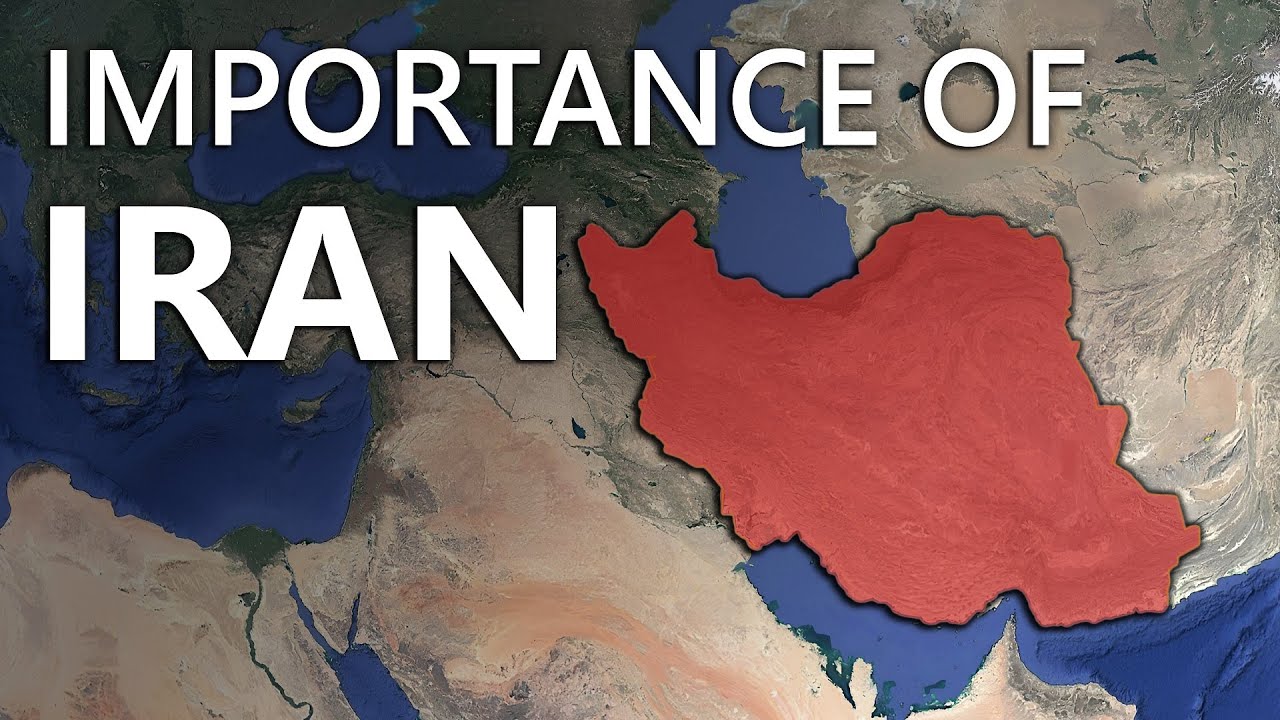
What makes Iran so important?

Introductory Tip-to-Tail Vector Addition Problem

ترامب يضع خطة النهاية لحرب الشرق الأوسط بعد محادثات مع السعودية و بن سلمان

How India is Building the India Middle East corridor? : Geopolitical Case Study

US warns Iran could launch strike on Israel this week | BBC News
5.0 / 5 (0 votes)

