Materi Bab 5 Menciptakan Puisi - Bahasa Indonesia Kelas 8 SMP | Kurikulum Merdeka
Summary
TLDRIn this video, we explore the essential elements of poetry in the 8th-grade Indonesian language curriculum. Key topics include the definition of poetry, its structure (lines, stanzas, rhyme), and elements like diction, imagery, and figurative language. The video compares two types of poems: 'diavan' (easy to understand) and 'prismatis' (requiring interpretation). It also discusses how to identify messages in poetry, compare different figures of speech, and methods for creating and declaiming poetry. The video concludes with practical tips on writing and performing poetry with emotion and clarity.
Takeaways
- 😀 Puisi is a poetic literary work composed of lines (larik) and stanzas (bait), and it conveys the poet's feelings, thoughts, and experiences beautifully and meaningfully.
- 😀 A poem contains several elements: lines, stanzas, rhyme, imagery, diction (word choice), and figures of speech (like metaphors and similes).
- 😀 Rhyme in poetry is the repetition of sounds, creating rhythm, and contributing to the musicality of the poem.
- 😀 Imagery in poetry involves sensory descriptions that appeal to the reader’s senses, helping them visualize and experience the poem.
- 😀 Diction refers to the careful selection of words that are meaningful, beautiful, and effective in conveying emotions.
- 😀 Figures of speech such as metaphors (indirect comparisons) and similes (direct comparisons) enhance the depth and beauty of a poem.
- 😀 A poem can be categorized into two types: the 'diavan' poem (easily understood, using simple language) and the 'prismatis' poem (which requires interpretation due to its complex meaning and use of figurative language).
- 😀 To interpret a poem's message, readers should focus on the title, mark difficult words, imagine the events described, note repeated words, and analyze the word choices (diction).
- 😀 The poem 'Membaca Tanda-Tanda' by Taufik Ismail encourages readers to protect nature and the environment to avoid disasters.
- 😀 Writing a poem can follow methods like the five-step process (choosing an impressive theme, remembering details, expressing emotions, using figures of speech, and engaging the senses) or the 'three words inspiration' method (selecting three key words to develop into lines).
Q & A
What is the purpose of poetry?
-Poetry is a form of literary work that aims to express emotions, thoughts, and experiences of the poet in a beautiful and meaningful way. It often uses specific structures, rhyme, and rhythm to convey its message.
What are the key elements of a poem?
-The key elements of a poem include: 1) Lines (Larik), which are individual rows in the poem, 2) Stanzas (Bait), which are groups of lines, 3) Rhyme (Rima), which refers to the repetition of sounds, 4) Imagery (Imaji), which creates vivid pictures using the senses, 5) Diction (Diksi), which refers to the choice of words, and 6) Figures of Speech (Majas), which involve using figurative language for deeper meaning.
What is the difference between Diavan and Prismatis poetry?
-Diavan poetry is characterized by straightforward language and meanings that are easy to understand, often using everyday speech. Prismatis poetry, on the other hand, uses more complex language, with indirect meanings and heavy use of figures of speech, requiring interpretation.
How can we find the message within a poem?
-To understand the message of a poem, readers should focus on the title, highlight difficult words, imagine the events described, pay attention to repeated words, and carefully consider the poet's word choices or diction.
What is a metaphor in poetry?
-A metaphor is a figure of speech that compares two things indirectly, without using words like 'like' or 'as.' It provides deeper meaning, such as calling someone the 'backbone of the family,' meaning they are the primary breadwinner.
What is a simile and how does it differ from a metaphor?
-A simile is a figure of speech that directly compares two things using words like 'like' or 'as.' For example, 'Her face is like the full moon.' This contrasts with a metaphor, which implies a comparison without these words, such as 'Her face is the full moon.'
What is repetition (repetisi) in poetry?
-Repetition in poetry is the use of repeated words or phrases for emphasis. It helps reinforce the poem's meaning and emotional impact. An example is, 'I want you to understand. I want you to feel. I want you to stay here.'
What is the five-step method for writing poetry?
-The five-step method for writing poetry involves: 1) Identifying an impressive subject, 2) Recalling the details of the event, 3) Expressing emotions, 4) Using figures of speech, and 5) Incorporating sensory language that engages the five senses.
What is the 'three-word inspiration' method in poetry writing?
-The 'three-word inspiration' method involves choosing three key words that inspire the poet, then developing them into lines of poetry. This technique helps to focus the creative process and structure the poem.
How can one effectively declaim a poem?
-To declaim a poem effectively, one should read the poem repeatedly to understand its mood and message, practice difficult words, and emphasize repeated phrases. Additionally, using proper intonation, expression, and gestures aligned with the poem's meaning is important.
Outlines

هذا القسم متوفر فقط للمشتركين. يرجى الترقية للوصول إلى هذه الميزة.
قم بالترقية الآنMindmap

هذا القسم متوفر فقط للمشتركين. يرجى الترقية للوصول إلى هذه الميزة.
قم بالترقية الآنKeywords

هذا القسم متوفر فقط للمشتركين. يرجى الترقية للوصول إلى هذه الميزة.
قم بالترقية الآنHighlights

هذا القسم متوفر فقط للمشتركين. يرجى الترقية للوصول إلى هذه الميزة.
قم بالترقية الآنTranscripts

هذا القسم متوفر فقط للمشتركين. يرجى الترقية للوصول إلى هذه الميزة.
قم بالترقية الآنتصفح المزيد من مقاطع الفيديو ذات الصلة
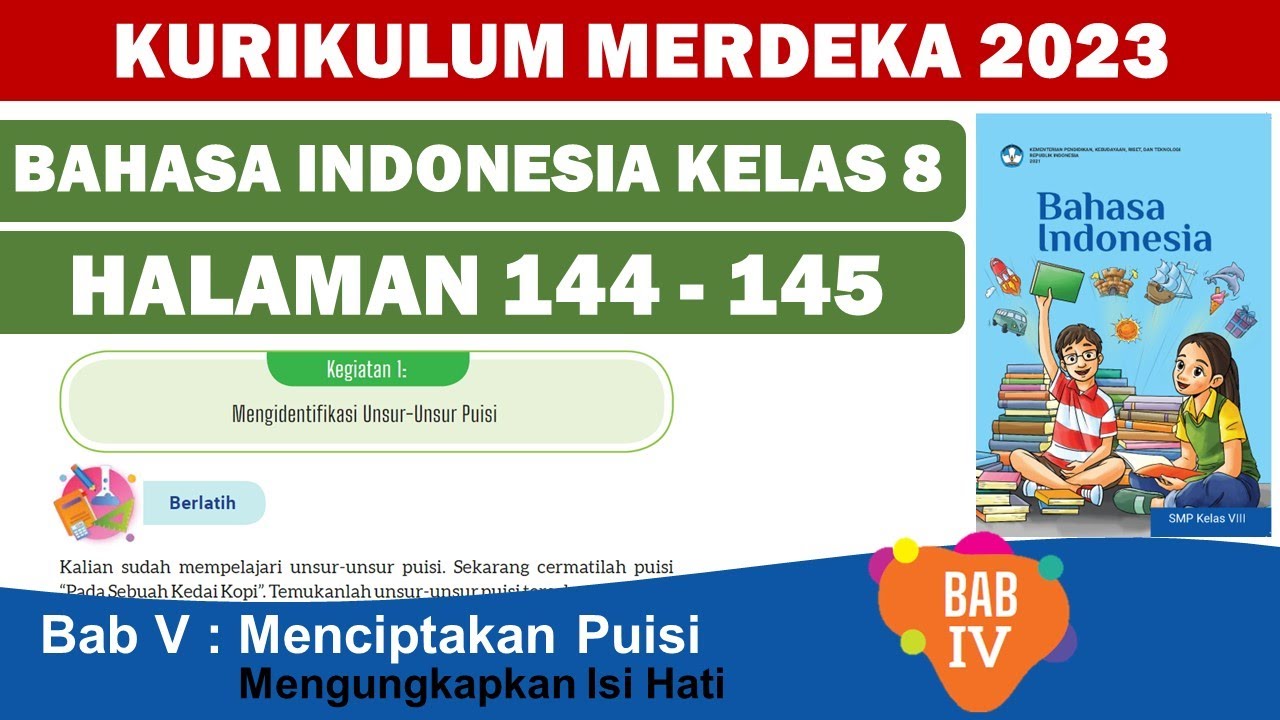
BAHASA INDONESIA KELAS 8 HALAMAN 144-145 KURIKULUM MERDEKA || BAB 5
Materi Puisi ✅ Bahasa Indonesia Kelas 10 Kurikulum Merdeka

Rangkuman Materi BAHASA INDONESIA Kelas 12 SMA Semester 1 | Kurikulum 2013
Materi Puisi ✅ Bahasa Indonesia Kelas 8 Kurikulum Merdeka
Berkarya dan Berekspresi Melalui Puisi | Pengertian & Ciri-Ciri Puisi #kelas10 #sma #smkbisa

MATERI TEKS PUISI | BAHASA INDONESIA KELAS VIII | BELAJAR ONLINE | FITRI RIZKY MUSLIFA, S.Pd.
5.0 / 5 (0 votes)

