7 Exercicios Isométricos que Transforman Civis em MÁQUINAS DE FORÇA ao Nivel dos NAVY SEALS!
Summary
TLDRThis video outlines seven isometric exercises used by Navy SEALs to build exceptional strength, stability, and endurance. These exercises, relying primarily on body weight, enhance physical and mental toughness, making them essential for handling extreme conditions. The script covers proper technique, common mistakes, and safety tips for exercises like the farmer’s walk, plank, and wall sit, offering a mix of challenges that build muscle, improve posture, and increase core stability. Whether you’re a beginner or experienced, these exercises promise functional strength for real-world situations.
Takeaways
- 😀 Isometric exercises are highly effective for building strength, stability, and resistance using only body weight, without the need for special equipment.
- 😀 These exercises enhance mental toughness by training individuals to hold uncomfortable positions, which is crucial for overcoming physical and mental fatigue in real-world situations.
- 😀 Isometric exercises help build deep joint stability, which protects the knees and shoulders during irregular terrains or extreme conditions.
- 😀 Navy SEALs use isometric exercises to develop strength in specific angles, where they need it the most, such as gripping heavy objects or maintaining a stable aim.
- 😀 Unlike traditional dynamic movements, isometrics help build strength in fixed positions, improving overall physical performance in real-life scenarios.
- 😀 Holding positions for extended periods, like 60 seconds or more, builds mental resilience, which is as important as physical strength.
- 😀 The Farmer's Static Hold strengthens grip, forearms, traps, and the core while improving posture under heavy load conditions.
- 😀 The Isometric Push-Up at the low position targets the chest, shoulders, and triceps at their weakest point, helping build deep muscle fibers that dynamic movements can't reach.
- 😀 The L-Sit Isometric exercise focuses on core and hip flexor strength, helping Navy SEALs carry heavy loads or climb obstacles.
- 😀 Lateral Planks target the obliques and deep spinal stabilizers, crucial for maintaining balance and control during asymmetrical loading or uneven terrain.
- 😀 The Wall Sit exercise develops quadriceps endurance and stability, with no rest, training legs to handle extended periods of tension.
Q & A
What are isometric exercises, and why are they beneficial for building strength?
-Isometric exercises involve holding a position without movement, which helps build stability, joint rigidity, and mental toughness. They are particularly useful for strengthening muscles in specific angles and positions, which can enhance performance in real-world situations, like maintaining a steady grip or posture under stress.
How do isometric exercises compare to traditional dynamic exercises in terms of muscle activation?
-While traditional dynamic exercises focus on moving muscles through a range of motion, isometric exercises strengthen muscles by keeping them contracted in a fixed position. This helps activate deeper muscle fibers and build strength in specific angles where traditional movements may not reach.
What role does mental toughness play in isometric exercises?
-Mental toughness is critical in isometric exercises as they often involve holding a position under discomfort for extended periods. This trains the mind to resist the urge to quit, building resilience against physical and mental fatigue, which is essential in high-stress real-world situations.
What is the Farmer's Walk Hold, and how does it benefit strength development?
-The Farmer's Walk Hold involves gripping heavy weights at your sides and holding them for a period of time. It primarily develops grip strength but also works the forearms, traps, and core. It’s great for building endurance in carrying heavy loads, a key skill for real-life situations where you need to sustain a grip under duress.
How can I progress in the Farmer's Walk Hold exercise?
-You should start by holding the weights for 30-45 seconds and gradually increase the time as your grip strength improves. Once you can hold the position for 60-75 seconds, increase the weight. The progression should be gradual to allow muscles, tendons, and ligaments to adapt.
Why is the Isometric Push-up Hold at the bottom position so effective?
-The Isometric Push-up Hold at the bottom position targets weak points in the chest, shoulders, and triceps by forcing muscles to work in a stretched, vulnerable position. This deep muscle activation helps build stability and strength in positions where most people are weakest.
What are common mistakes to avoid when doing the Isometric Push-up Hold?
-Common mistakes include letting the hips sag (which strains the lower back), shrugging the shoulders (which reduces scapular stability), and selecting too advanced a variation too soon. Ensure that your body stays aligned and that your core is activated to avoid injury.
What is the L-Sit Isometric, and how does it help build core strength?
-The L-Sit Isometric involves holding a seated position with your legs extended and suspended off the ground. It primarily targets the abdominal muscles and hip flexors while also requiring shoulder strength for stabilization. This exercise is great for developing core strength, which is vital for carrying heavy loads or climbing obstacles.
How can someone progress in the L-Sit Isometric exercise?
-Start with holding the position for 5-10 seconds and gradually increase the duration as your strength improves. Once you can hold for 15-20 seconds with proper form, you can progress to more challenging variations, such as performing the L-Sit on parallel bars or rings.
What benefits does the Side Plank offer in isometric training?
-The Side Plank is excellent for building lateral core strength, particularly targeting the obliques and stabilizing muscles along the spine. It enhances your ability to maintain balance and stability when carrying loads asymmetrically or when moving over uneven terrain.
What are common mistakes during the Side Plank, and how can they be avoided?
-Common mistakes include letting the hip sag (which reduces core activation) and rotating the torso, which breaks the lateral alignment. Ensure your body forms a straight line from head to heels, and avoid twisting the torso. If you struggle with balance, start with your knee on the ground for support.
Outlines

هذا القسم متوفر فقط للمشتركين. يرجى الترقية للوصول إلى هذه الميزة.
قم بالترقية الآنMindmap

هذا القسم متوفر فقط للمشتركين. يرجى الترقية للوصول إلى هذه الميزة.
قم بالترقية الآنKeywords

هذا القسم متوفر فقط للمشتركين. يرجى الترقية للوصول إلى هذه الميزة.
قم بالترقية الآنHighlights

هذا القسم متوفر فقط للمشتركين. يرجى الترقية للوصول إلى هذه الميزة.
قم بالترقية الآنTranscripts

هذا القسم متوفر فقط للمشتركين. يرجى الترقية للوصول إلى هذه الميزة.
قم بالترقية الآنتصفح المزيد من مقاطع الفيديو ذات الصلة

How To Increase Strength (Without Size)!
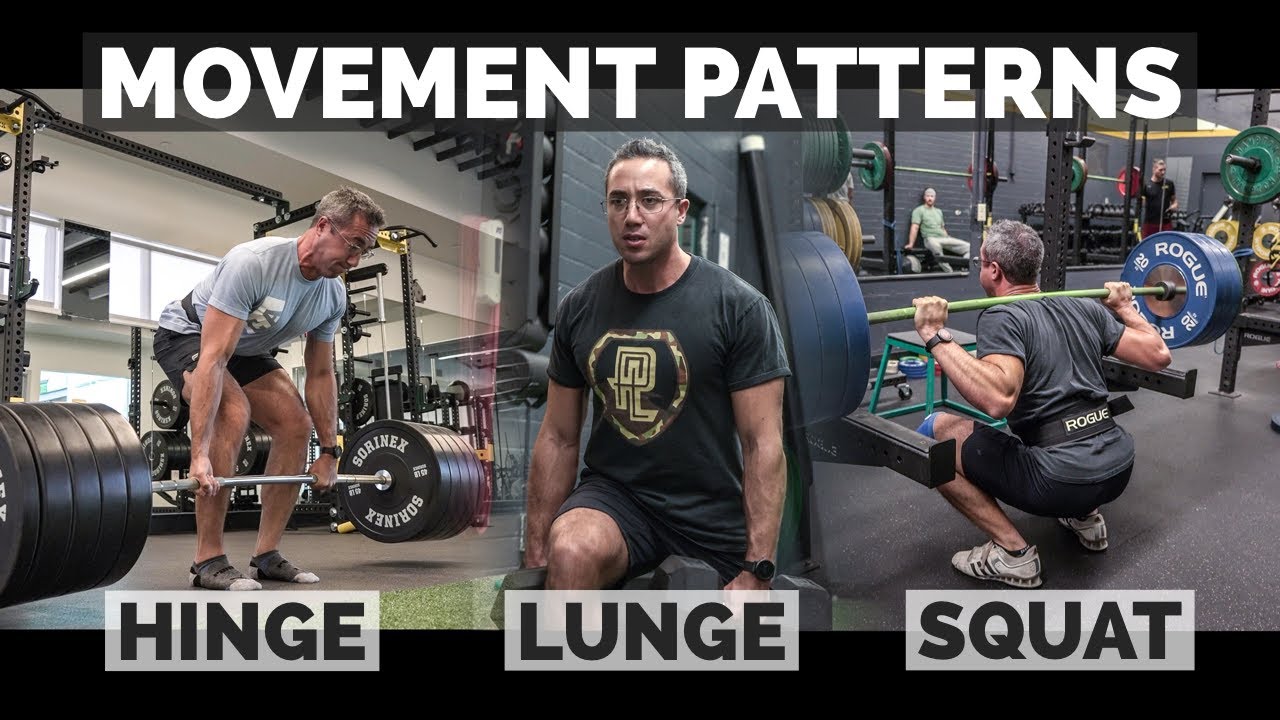
The 7 Fundamental Movement Patterns | Deep Dive

Top 10 Rules of Calisthenics (FOLLOW OR FAIL)

The ironic reason I love isometrics but many don't (for now)

The Top 10 Bodyweight Exercises All MMA Fighters Do Daily at Home!

పిచ్చి అంటే ఇలా ఉండాలి | 6 Steps For Tough Mindset | Telugu Geeks
5.0 / 5 (0 votes)

