QQQ Weekly Long Call (30 Delta) Backtesting Results
Summary
TLDRIn this video, Kirk from Option Alpha walks through a recent backtest of a QQQ weekly long call strategy, highlighting the impact of capital allocation. By testing the strategy with varying percentages (5%, 10%, and 15%) of capital, he demonstrates how different allocation levels affect performance. While the strategy performed well with 5% allocation, larger allocations initially showed greater returns before suffering significant drawdowns. Kirk emphasizes the importance of understanding how much capital is allocated to a strategy, as it can make or break its success. The video underscores the value of testing various strategies and allocations.
Takeaways
- 😀 The video discusses a backtest of a QQQ weekly long call strategy that was tested using different capital allocations.
- 😀 The backtest was run with capital allocations of 5%, 10%, and 15%, which affected the performance of the strategy.
- 😀 A 5% allocation produced consistent profitability starting in 2018, but the strategy was a loser for most of the previous years.
- 😀 The strategy involved buying slightly out-of-the-money calls with a delta of 30 and a weekly expiration timeline of around 10 days.
- 😀 The strategy did not filter for implied volatility (IV), meaning it included options with various IV levels.
- 😀 A profit-taking strategy was implemented, taking profits at 25% with no stop loss, allowing positions to expire if not profitable.
- 😀 Allocating 10% or 15% capital initially led to larger gains but also caused significant drawdowns, especially when bad trades stacked up.
- 😀 The 10% capital allocation saw a major account drawdown, but it managed to recover in the later part of the test period.
- 😀 The strategy saw a win rate of 56%, with an average holding period of about 5.5 days, indicating short-term trading preferences.
- 😀 The key lesson is the importance of capital allocation in determining the outcome of a strategy, even when the strategy itself remains the same.
Q & A
What is the main purpose of the backtest mentioned in the video?
-The backtest is meant to evaluate the performance of a weekly long call strategy on QQQ, specifically testing different capital allocations (5%, 10%, and 15%) to assess how allocation affects the overall results.
How does the allocation of capital affect the backtest results?
-The allocation of capital plays a significant role in the outcome of the strategy. Smaller allocations (5%) led to consistent profitability, while larger allocations (10% and 15%) showed higher short-term gains but also led to larger drawdowns and higher risk of account blow-up.
What strategy was tested in the backtest?
-The strategy tested was a weekly long call option strategy for QQQ, with positions being entered every week and held until either a 25% profit was reached or the options expired.
What were the specific conditions used in the backtest?
-The conditions were: weekly call options on QQQ, 10-day expiration, no filtering for implied volatility (IV), a profit-taking trigger at 25%, and no stop loss. The capital allocations tested were 5%, 10%, and 15% per position.
What did the results show when allocating 5% of capital?
-When 5% of the capital was allocated to each position, the strategy performed relatively well over the long term, with consistent profits starting around 2018, despite early losses.
What happened when the capital allocation was increased to 10% or 15%?
-Allocating 10% or 15% initially showed higher gains but also led to greater volatility, with the 10% allocation nearly blowing up the account due to a bad sequence of trades, although it recovered later.
How significant was the drawdown in the tested strategy?
-The strategy experienced a maximum drawdown of around 70%, which could be concerning for many traders, as most have a tolerance for around 25-30% before getting worried.
What was the win rate of the tested strategy?
-The win rate of the strategy was slightly over 50%, with a 56% success rate across the tests.
What were the average profits and losses in the backtest?
-The average profit per winning trade was around $1,600, while the average loss per losing trade was around $1,000. Overall, the wins and losses were fairly balanced.
What was the average holding period for the options in the strategy?
-The average holding period for the options was about 5.5 days, as many positions were closed before reaching the full 10 days to expiration, either due to reaching the 25% profit target or because of shorter market movements.
Outlines

هذا القسم متوفر فقط للمشتركين. يرجى الترقية للوصول إلى هذه الميزة.
قم بالترقية الآنMindmap

هذا القسم متوفر فقط للمشتركين. يرجى الترقية للوصول إلى هذه الميزة.
قم بالترقية الآنKeywords

هذا القسم متوفر فقط للمشتركين. يرجى الترقية للوصول إلى هذه الميزة.
قم بالترقية الآنHighlights

هذا القسم متوفر فقط للمشتركين. يرجى الترقية للوصول إلى هذه الميزة.
قم بالترقية الآنTranscripts

هذا القسم متوفر فقط للمشتركين. يرجى الترقية للوصول إلى هذه الميزة.
قم بالترقية الآنتصفح المزيد من مقاطع الفيديو ذات الصلة

Small Account Options Income Strategy (Easy)

Is This Potentially the Best Strategy For Small Accounts?

Covered Calls - AMAZING Option Trading Strategy - New Twist!

How To Sell Bear Call Spreads: Beginners options tutorial on how to make money when stocks drop

How to Get Paid Weekly with These 12 Dividend Stocks
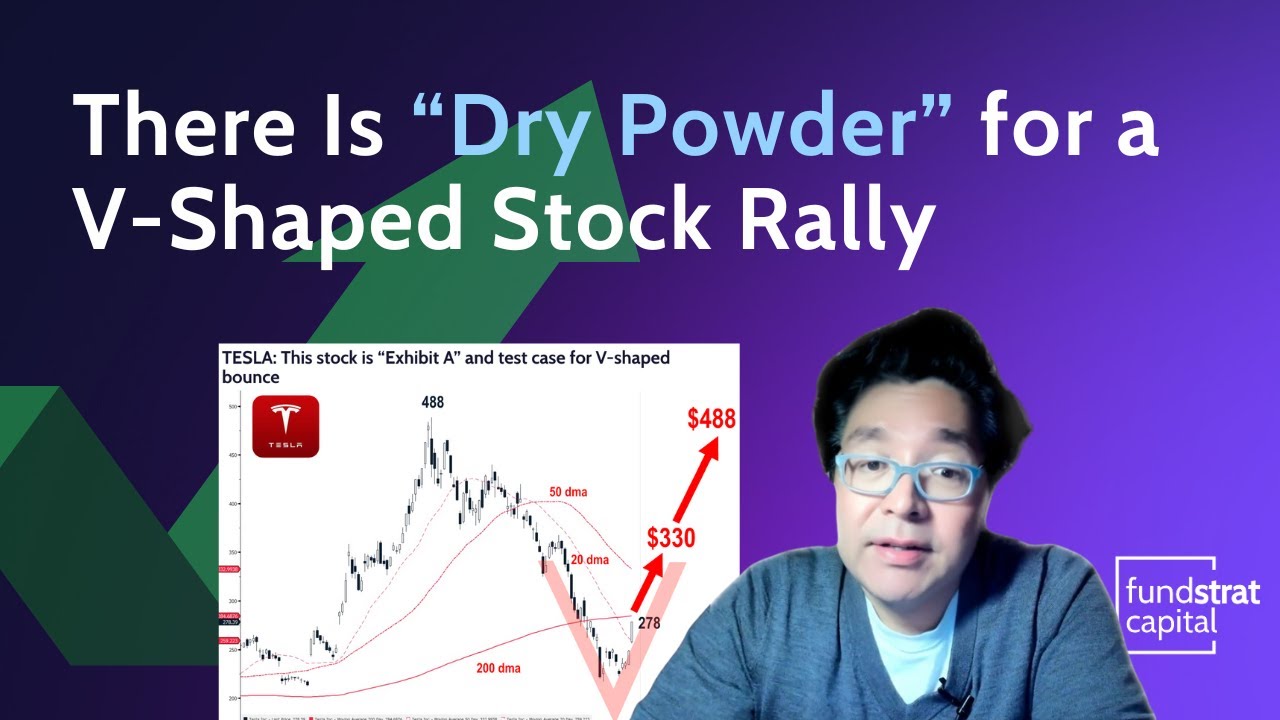
Tom Lee on Why There Is “Dry Powder” for a V-Shaped Stock Rally and $TSLA Is Exhibit A for This Move
5.0 / 5 (0 votes)

