I vasi sanguigni e la circolazione
Summary
TLDRThis lesson explains the circulatory system’s third key component: blood vessels. It contrasts arteries—thick, muscular vessels carrying blood away from the heart—with thinner, valve-containing veins that return blood at low pressure, aided by muscle contractions. Capillaries, the hair-thin exchange vessels, connect arterioles and venules and enable the transfer of oxygen, nutrients, and waste between blood and cells. The video highlights pulmonary exceptions (arteries/veins carrying opposite blood types), describes double and complete circulation (systemic and pulmonary circuits), and introduces the lymphatic network—an auxiliary system that collects tissue fluid, supports fat absorption, and contributes to immune defense.
Takeaways
- 😀 Blood vessels are a fundamental component of the circulatory system, responsible for transporting blood and enabling the exchange of gases, nutrients, and waste products with cells.
- 😀 There are three main types of blood vessels: arteries, veins, and capillaries. Each plays a unique role in blood circulation.
- 😀 Arteries carry oxygenated blood away from the heart to the periphery, while veins return deoxygenated blood back to the heart.
- 😀 The structure of arteries is thick and muscular to withstand high blood pressure from the heart's pumping action, while veins have thinner, more flexible walls.
- 😀 Veins contain valves, such as 'swallow’s nest' valves, which prevent blood from flowing backward, particularly in the lower body against gravity.
- 😀 Capillaries are the smallest blood vessels, with walls thin enough to allow for the exchange of oxygen, nutrients, and waste products between blood and cells.
- 😀 Blood in systemic capillaries loses oxygen and nutrients while gaining waste products like carbon dioxide, changing color from red to blue.
- 😀 The circulatory system operates with double circulation: blood passes through the heart twice in one cycle — once through the lungs (pulmonary circulation) and once through the rest of the body (systemic circulation).
- 😀 Pulmonary circulation differs from systemic circulation as the pulmonary arteries carry deoxygenated blood to the lungs to acquire oxygen, while pulmonary veins carry oxygenated blood back to the heart.
- 😀 The lymphatic system, consisting of lymphatic vessels, is an auxiliary system that helps prevent fluid accumulation in tissues by reabsorbing excess water and transporting fat-soluble substances.
- 😀 Lymph nodes, located along the lymphatic vessels, play a key role in immune defense by filtering lymph and producing white blood cells like lymphocytes.
Q & A
What are the three main types of blood vessels described in the circulatory system?
-The three main types of blood vessels are arteries, veins, and capillaries.
What is the primary functional difference between arteries and veins?
-Arteries carry blood away from the heart toward the body’s periphery, while veins return blood from the body back to the heart.
Why are arterial walls thicker and more elastic than venous walls?
-Arteries must withstand the high pressure of blood pumped directly from the heart’s ventricles, requiring thicker, more muscular, and elastic walls for strength and flexibility.
Why do veins contain valves, and arteries do not?
-Veins contain valves to prevent backflow of blood, especially when blood must travel upward against gravity. Arteries do not need valves because the high pressure from the heart keeps blood flowing in one direction.
What makes capillaries essential for the circulatory system?
-Capillaries enable the exchange of oxygen, nutrients, carbon dioxide, and waste products between the blood and the body’s cells due to their extremely thin, single-cell-layer walls.
How does blood composition change as it passes through a systemic capillary?
-Blood loses oxygen and nutrients to cells and gains carbon dioxide and waste products, changing from oxygenated (red) to deoxygenated (blue).
What is meant by ‘double’ and ‘complete’ circulation in humans?
-‘Double’ circulation means blood passes through the heart twice in a complete loop (once for pulmonary, once for systemic circulation). ‘Complete’ means that oxygenated and deoxygenated blood never mix.
How do pulmonary arteries and veins differ from systemic arteries and veins?
-Pulmonary arteries carry deoxygenated blood from the right ventricle to the lungs, and pulmonary veins carry oxygenated blood to the left atrium. This is the reverse of systemic circulation, where arteries carry oxygenated blood and veins carry deoxygenated blood.
What role do precapillary sphincters play?
-Precapillary sphincters regulate the flow of blood into capillary networks, opening or closing based on the body’s metabolic needs.
What is the function of the lymphatic system as described in the transcript?
-The lymphatic system collects excess fluid from tissues, absorbs fats from the digestive system, helps prevent fluid accumulation, transports lymph containing lymphocytes, and contributes to immune defense through lymph nodes.
What happens to blood during pulmonary circulation?
-In pulmonary circulation, deoxygenated blood releases carbon dioxide in the lungs and absorbs oxygen, converting it from blue (deoxygenated) to red (oxygenated).
Why is no cell in the body far from a blood vessel?
-Because capillary networks are extremely extensive and widespread, ensuring that every cell has access to nutrients and oxygen and can dispose of waste efficiently.
Outlines

هذا القسم متوفر فقط للمشتركين. يرجى الترقية للوصول إلى هذه الميزة.
قم بالترقية الآنMindmap

هذا القسم متوفر فقط للمشتركين. يرجى الترقية للوصول إلى هذه الميزة.
قم بالترقية الآنKeywords

هذا القسم متوفر فقط للمشتركين. يرجى الترقية للوصول إلى هذه الميزة.
قم بالترقية الآنHighlights

هذا القسم متوفر فقط للمشتركين. يرجى الترقية للوصول إلى هذه الميزة.
قم بالترقية الآنTranscripts

هذا القسم متوفر فقط للمشتركين. يرجى الترقية للوصول إلى هذه الميزة.
قم بالترقية الآنتصفح المزيد من مقاطع الفيديو ذات الصلة
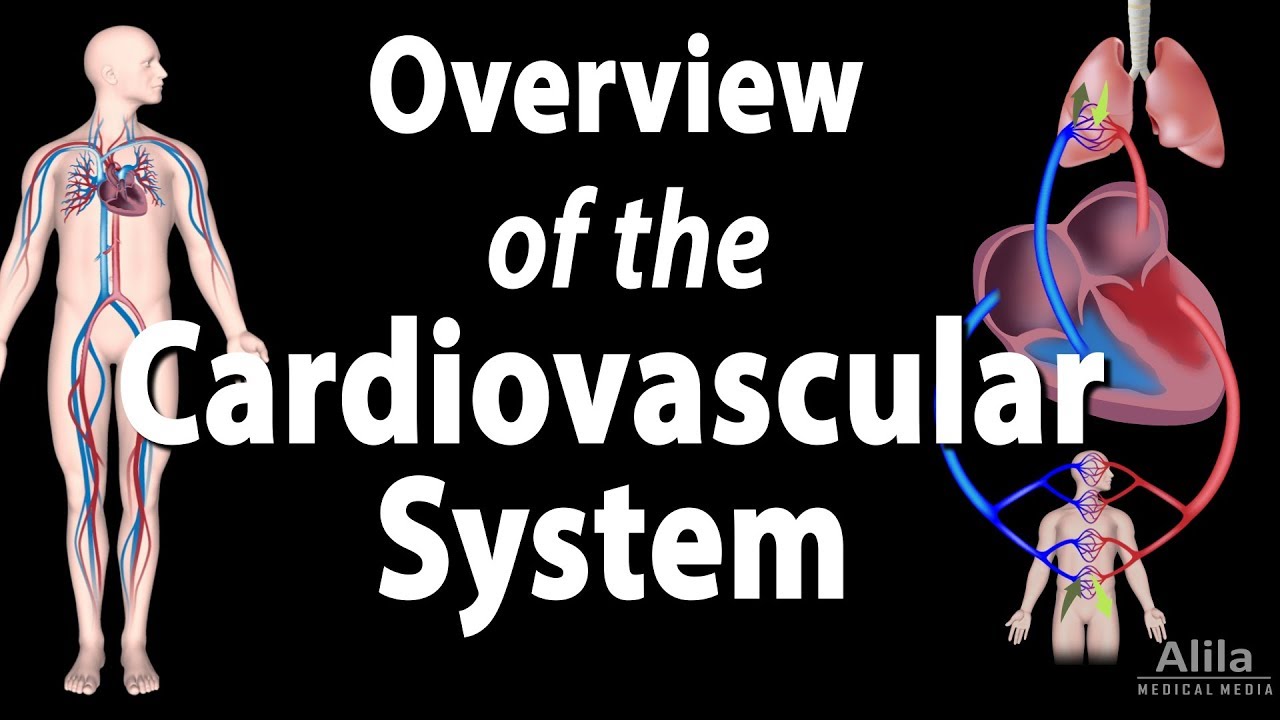
Cardiovascular System Overview, Animation

BAB 2 Struktur dan Fungsi Tubuh Mahluk Hidup |Sistem Peredaran Darah – IPA Kelas 8 Kurikulum Merdeka

BAB II |Struktur dan Fungsi Tubuh Makhluk Hidup|SISTEM PEREDARAN DARAH | KELAS 8| KURIKULUM MERDEKA

Circulatory System Stop Motion Video

GCSE PE - COMPONENTS OF BLOOD - Anatomy and Physiology (Cardiovascular System - 3.1)

CAVIDADES CARDIACAS
5.0 / 5 (0 votes)

