UNIFASE_Curso de Semiologia Médica_Exame: Cabeça e pescoço_Profa.: Telma Lima
Summary
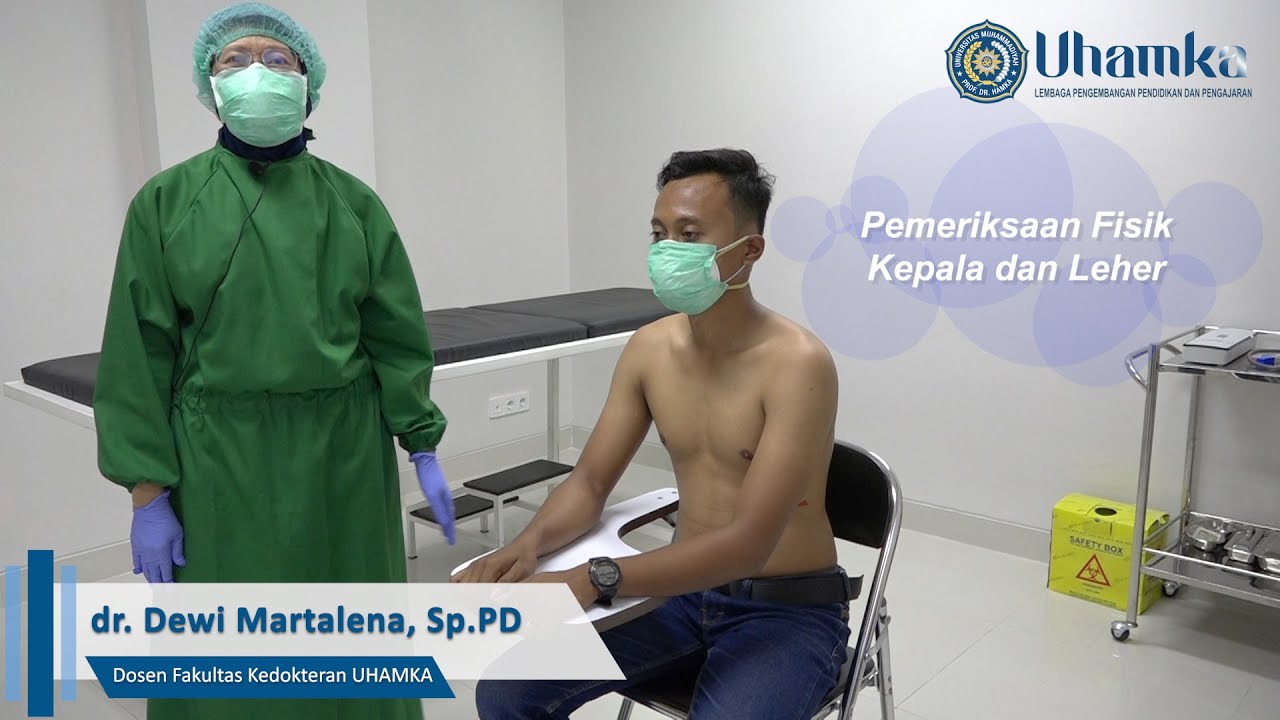
TLDRThe transcript describes a detailed head and neck examination, focusing on various aspects such as hair implantation, eyebrows, eyelashes, and facial symmetry. It covers the assessment of the eyes, ears, nose, mouth, and thyroid, with specific attention to potential abnormalities and signs of conditions like hirsutism, otitis, and thyroid dysfunction. The script also explains the process of evaluating facial expressions and cervical spine mobility, emphasizing techniques for palpation and auscultation. Throughout, the importance of a thorough, systematic approach to physical examination is highlighted.
Takeaways
- 😀 The head and face examination starts with evaluating hair implantation, checking for gender compatibility (e.g., male-pattern hair loss, frontal baldness).
- 😀 Eyebrow assessment involves checking for hair implantation and completeness, with loss in the third part indicating potential pathological conditions.
- 😀 The presence of abnormal eyelash positioning (trichiasis and ectropion) is assessed for potential ocular complications.
- 😀 The examination of facial hair helps identify potential cases of hirsutism in females, which may indicate underlying hormonal imbalances.
- 😀 Eye examination focuses on symmetry of the palpebral fissure and the evaluation of the pupils for shape and size consistency.
- 😀 Ear assessment includes checking for symmetry, proper implantation (should align with the palpebral fissure), and any abnormalities such as external lesions or otoscopic findings.
- 😀 Nose inspection involves evaluating symmetry, the position of the nasal septum, and checking for obstructions or lesions using tools like a rhinoscope.
- 😀 Sinus evaluation includes palpation to check for tenderness in the frontal, ethmoid, and maxillary sinuses, which can help identify sinus issues.
- 😀 Oral examination focuses on the condition of the lips, gums, tongue, and palate, checking for lesions, bleeding, and abnormalities in oral structures.
- 😀 Thyroid examination involves inspection for visible enlargement, palpation for size and consistency, and auscultation for the presence of any unusual sounds (e.g., bruit or a 'thrill').
Q & A
What is the main focus of the physical examination of the head and face?
-The examination of the head and face focuses on evaluating the symmetry, structure, and function of the face, including hair implantation, eyebrows, eyelashes, presence of facial hair, eyes, ears, nose, and mouth. It helps in identifying signs of conditions like hirsutism, eye abnormalities, and asymmetries.
What does the evaluation of eyebrow implantation help determine?
-The evaluation of eyebrow implantation helps to determine whether the hair growth is typical for the gender, as well as identifying signs of conditions like alopecia or androgenic hair loss. In women, hair loss in the eyebrow area could also indicate hirsutism.
What does the presence of inward-turning eyelashes (entropion) or outward-turning eyelashes (ectropion) indicate?
-Inward-turning eyelashes (entropion) and outward-turning eyelashes (ectropion) can be indicative of underlying eye conditions. Entropion may cause irritation to the eye, while ectropion could lead to dryness or other eye issues.
Why is symmetry important when examining the eyes?
-Symmetry is crucial when examining the eyes to identify any abnormal findings, such as differences in eyelid shape or size (palpebral fissures). Any asymmetry could suggest neurological or developmental issues.
What is a pterygium, and how is it detected during the eye examination?
-A pterygium is a growth of tissue that can cover the sclera (the white part of the eye). It is detected during the eye exam by observing the eye for any unusual growth or covering of the sclera, which could be medial or lateral.
What does the examination of the ear involve?
-The ear examination involves checking the symmetry of the ears, their implantation level, the presence of any deformities, and using an otoscope to examine the ear canal for abnormalities such as excessive earwax or foreign bodies. Palpation of the tragus and mastoid areas helps identify pain or tenderness, which could indicate conditions like otitis media or externa.
What should the examiner look for when inspecting the nose?
-When inspecting the nose, the examiner should evaluate the symmetry of the nose, the condition of the nasal septum, and check for any perforations or abnormal growths. A rhinoscope can be used to examine the nasal cavities for any signs of obstruction or pathology.
How is the thyroid gland examined during the physical exam?
-The thyroid is examined through inspection, palpation, and sometimes auscultation. The examiner should check for any visible enlargement or irregularities in the thyroid region. Palpation helps determine the size, consistency, and mobility of the thyroid. The examiner may also check for the presence of a thyroid bruit (a rare vascular sound indicating hypervascularization).
What does a palpable thyroid indicate, and what should be assessed during palpation?
-A palpable thyroid suggests that the gland is enlarged. During palpation, the examiner should assess the size, consistency (whether it feels soft or firm), mobility, and any tenderness. The examiner also checks for the presence of a bruit, which can indicate increased blood flow to the thyroid, often seen in hyperthyroidism.
What is the purpose of evaluating the cervical spine during the physical examination?
-Evaluating the cervical spine during the physical examination is important to assess its symmetry, any signs of deformity, or restricted mobility. The examiner checks for any abnormalities in posture or alignment and assesses the active and passive range of motion. Palpation helps identify any pain, stiffness, or irregularities in the cervical vertebrae.
Outlines

هذا القسم متوفر فقط للمشتركين. يرجى الترقية للوصول إلى هذه الميزة.
قم بالترقية الآنMindmap

هذا القسم متوفر فقط للمشتركين. يرجى الترقية للوصول إلى هذه الميزة.
قم بالترقية الآنKeywords

هذا القسم متوفر فقط للمشتركين. يرجى الترقية للوصول إلى هذه الميزة.
قم بالترقية الآنHighlights

هذا القسم متوفر فقط للمشتركين. يرجى الترقية للوصول إلى هذه الميزة.
قم بالترقية الآنTranscripts

هذا القسم متوفر فقط للمشتركين. يرجى الترقية للوصول إلى هذه الميزة.
قم بالترقية الآن



5.0 / 5 (0 votes)

