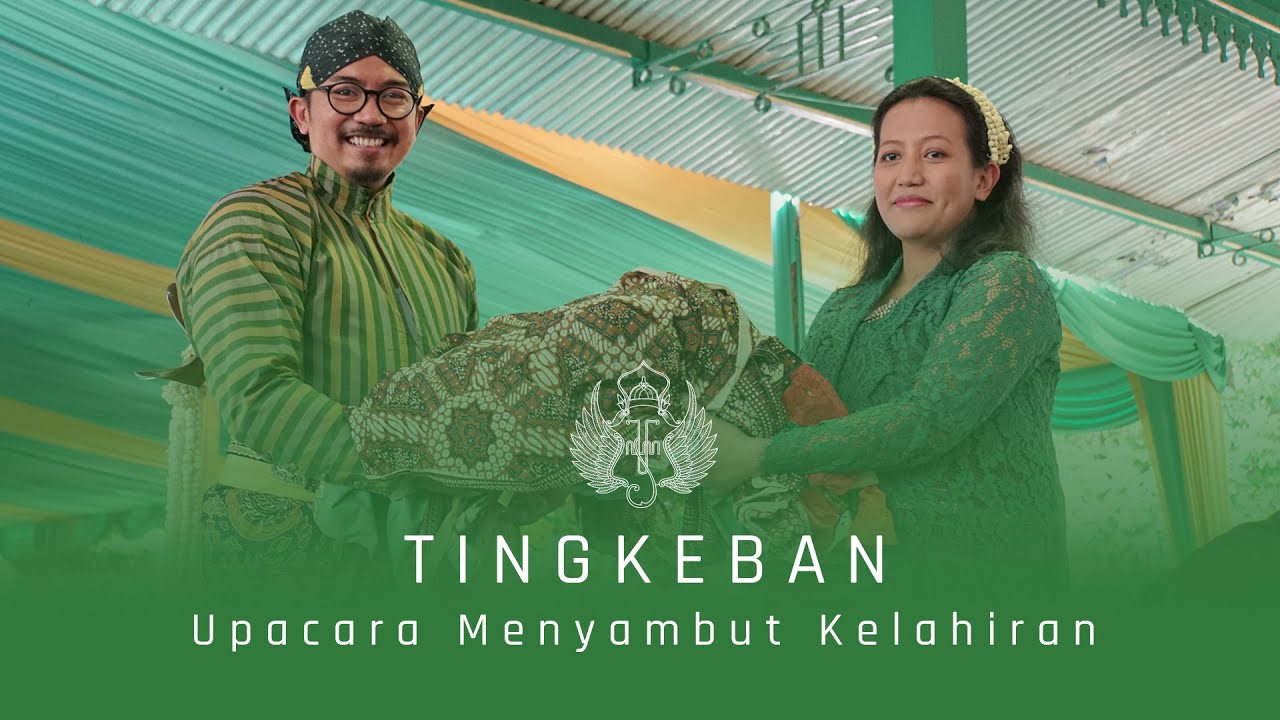
Upacara Adat Tingkeban Mitoni | DINAS KEBUDAYAAN KOTA YOGYAKARTA
Summary
TLDRThe video explores the traditional Javanese 'Mitoni' or 'Tingkeban' ceremony, a prenatal ritual performed when a woman reaches seven months of pregnancy. It highlights the spiritual and cultural significance, emphasizing prayers for the mother's and unborn child's safety, blessings from family members, and symbolic acts such as preparing holy water, ceremonial bathing, and adorning the mother with specific attire. The ritual involves both parents and extended family, showcasing cooperation, gratitude, and generosity. The narrator stresses the importance of preserving these ancestral customs to maintain cultural heritage, harmony, and communal values, particularly in Yogyakarta, reflecting deep-rooted traditions and family unity.
Takeaways
- 😀 Mitoni or 'tingkeban' is a traditional Javanese ceremony held in the seventh month of pregnancy to seek blessings for the safety and well-being of both mother and baby.
- 😀 The ceremony involves the expecting mother receiving prayers and blessings from her husband, family, and close relatives.
- 😀 A sacred water ritual called 'Tirto' is prepared from water sourced from seven different places and mixed with flowers to symbolize purity and cooperation.
- 😀 The mother is seated in a ceremonial bath where blessings are poured over her, symbolizing both physical and spiritual cleansing.
- 😀 The father plays a role by pouring the holy water, which the mother then uses for a symbolic 'wudhu' or purification ritual.
- 😀 Breaking a 'kendi' (water container) signifies the end of the purification process and carries symbolic meaning for family unity and prosperity.
- 😀 The ceremony includes dressing the mother in a specific sequence of garments, with the seventh outfit deemed appropriate and auspicious.
- 😀 There are symbolic actions such as the 'petok-petok' ritual performed by the father, representing readiness and harmony in the family.
- 😀 Guests, especially elders, are given coins as a symbolic gesture of charity and sharing, emphasizing the value of generosity and community involvement.
- 😀 The overall purpose of the mitoni ceremony is to preserve cultural heritage, instill family and community values, and promote a harmonious, peaceful life.
Q & A
What is the purpose of the 'toning' or 'mitoni' ceremony described in the transcript?
-The purpose of the toning or mitoni ceremony is to give thanks and seek blessings for the mother and the unborn child during the seventh month of pregnancy. It aims to ensure safety and well-being for both mother and baby throughout the pregnancy.
At what stage of pregnancy is the mitoni ceremony traditionally performed?
-The mitoni ceremony is traditionally performed during the seventh month of pregnancy, which is considered the most appropriate time to request prayers and blessings.
Who gives the initial blessings to the mother during the ceremony?
-The mother first receives blessings from her husband, followed by other family members, including elders and close relatives from both the maternal and paternal sides.
What is the significance of 'Tirto' or holy water in the ceremony?
-Tirto, or holy water, is made from water collected from seven different sources and is considered sacred. It is used in the ritual to purify and bless the mother, symbolizing spiritual cleansing and protection.
What symbolic action does the father perform with the holy water?
-The father carries a container of holy water and pours it over the mother, similar to performing ablution (wudhu), representing both physical and spiritual purification and protection.
What is the purpose of breaking the 'kendil' (ceremonial clay pot) during the ceremony?
-Breaking the kendil symbolizes the start of a new phase of life, often associated with fertility, prosperity, and ensuring cooperation and harmony within the family.
How is the mother’s attire evaluated during the ceremony?
-The mother’s clothing is examined in a sequence of seven assessments. Only after the seventh evaluation is she considered appropriately dressed and ready for the ritual, symbolizing readiness and respect for tradition.
What role do the eldest daughters or young women play in the ceremony?
-The daughters or young women assist by preparing and applying the holy water, decorating the mother, and performing rituals that emphasize care, purity, and family continuity.
What is the significance of giving money to attendees during the ceremony?
-Giving money to the participants symbolizes generosity and sharing, reflecting a cultural value of charity and communal support. It also allows attendees to purchase offerings such as food and drinks for the celebration.
Why is it important to preserve and continue the mitoni ceremony according to the transcript?
-The ceremony is valued for its cultural and philosophical significance, teaching lessons about family harmony, gratitude, and spiritual well-being. Preserving it helps maintain local traditions and strengthens cultural identity in the community.
What is the broader goal of performing such traditional ceremonies in Jogjakarta?
-The broader goal is to promote cultural awareness, maintain heritage, and ensure that the city of Jogjakarta remains a center of tradition, peace, and communal harmony, showcasing its rich local customs.
Outlines

此内容仅限付费用户访问。 请升级后访问。
立即升级Mindmap

此内容仅限付费用户访问。 请升级后访问。
立即升级Keywords

此内容仅限付费用户访问。 请升级后访问。
立即升级Highlights

此内容仅限付费用户访问。 请升级后访问。
立即升级Transcripts

此内容仅限付费用户访问。 请升级后访问。
立即升级浏览更多相关视频

TRADISI NUSANTARA! TEDAK SINTEN, TRADISI JAWA YANG DIPERCAYA DAPAT PREDIKSI MASA DEPAN

ASAL USUL TRADISI MITONI #tradisi #ppl #iainpekalongan

UPACARA ADAT JAWA || PANGGIH MANTEN|| MATERI PEMBELAJARAN

Ritual Adat Basuayak (Baliatn/Baiyatn)Suku Dayak Kanayatn Desa Capkala,Kec.Capkala,Kab.Bengkayang.
Tingkeban: Upacara Menyambut Kelahiran
SESORAH ING ADICARA TINGKEBAN/MITONI | Eka Ananda A.L.W #UPRAKBAHASAJAWASMASAPAS2022
5.0 / 5 (0 votes)

