الهرم الغذائي الجديد قلب المفاهيم… هل أكلك ما زال صحي؟ | د. ربى مشربش
Summary
TLDRThe video explores the evolution of the food pyramid, highlighting the shift from the traditional model, which emphasized high carbohydrate intake, to modern guidelines that prioritize balanced nutrition, protein, healthy fats, fruits, and vegetables. The presenter explains that while earlier pyramids served as general recommendations, they often failed due to widespread misapplication and rising obesity rates. The new models, including MyPlate, focus on personalized nutrition, proper portioning, and integrating physical activity. Emphasis is placed on real, unprocessed foods, appropriate protein intake, and understanding dietary needs based on individual health, activity levels, and cultural contexts, stressing that one-size-fits-all approaches may not suit everyone.
Takeaways
- 😀 The food pyramid has evolved over time, with new recommendations reflecting a more balanced approach to nutrition and exercise.
- 😀 The original food pyramid, from the 1990s, emphasized carbohydrates as the base of the diet, followed by vegetables, fruits, protein, and limited fats and sugars.
- 😀 Many people did not properly apply the original food pyramid, often consuming excessive refined carbohydrates (e.g., white bread, pancakes, sugary cereals).
- 😀 The new food pyramid introduces a strong focus on physical activity alongside dietary choices, stressing the importance of exercise for overall health.
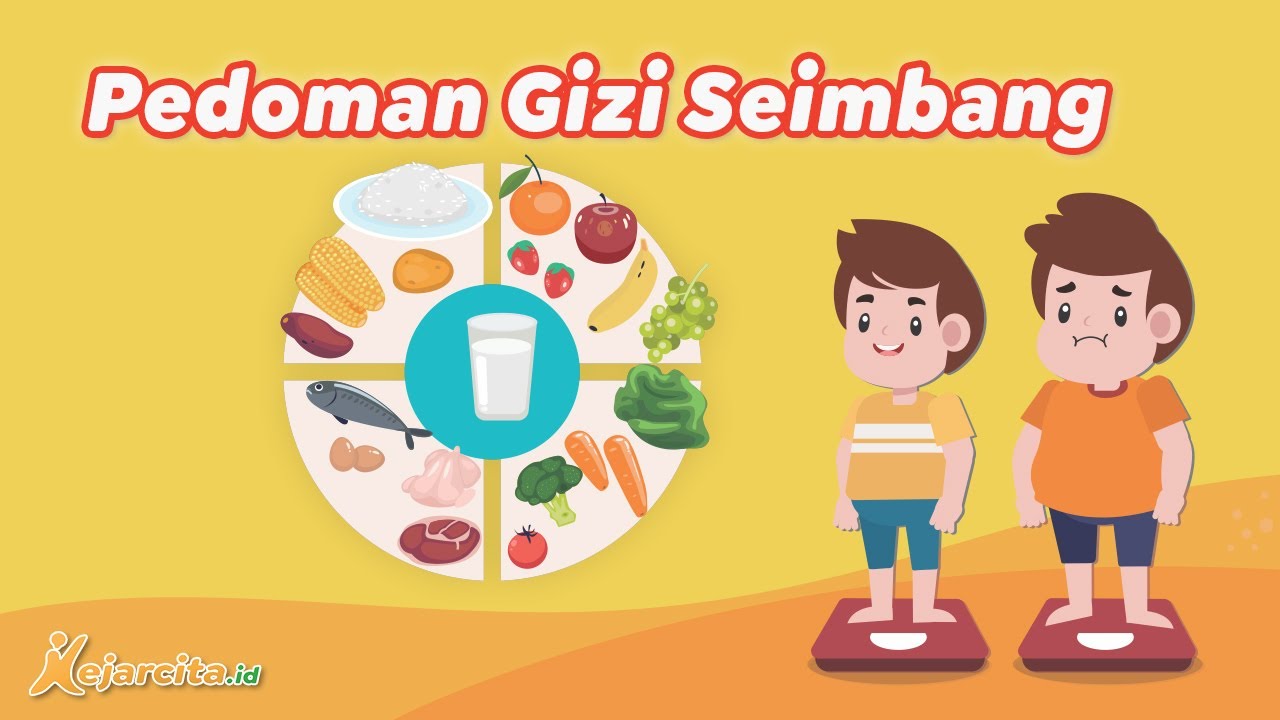
- 😀 The 'MyPlate' model, introduced under Obama's administration, divides the plate into sections for vegetables, fruits, grains, proteins, and dairy, providing a more practical guide to balanced eating.
- 😀 The new food pyramid recommends higher protein intake, with a shift from the old recommendation of 0.8 grams per kilogram to 1.2–1.6 grams per kilogram of body weight.
- 😀 While protein from natural sources (e.g., chicken, fish) is encouraged, processed meats (e.g., sausages, deli meats) should be avoided due to their unhealthy fats and additives.
- 😀 Fat consumption should primarily come from healthy sources such as olive oil, avocados, and butter, but saturated fats (e.g., butter, red meats) should be limited to under 10% of total daily calories.
- 😀 Vegetables and fruits are essential in the new pyramid, providing fiber and nutrients that help regulate blood sugar and aid in weight loss.
- 😀 The new pyramid emphasizes whole grains (e.g., whole wheat, quinoa) over refined grains, which are less nutritious and lack fiber, and recommends limiting their consumption to 2–4 servings per day.
- 😀 Dietary guidelines vary for different individuals, and a nutritionist should tailor recommendations based on personal health, activity level, and dietary needs, rather than following a one-size-fits-all approach.
Q & A
What was the main issue highlighted with the old food pyramid?
-The old food pyramid, introduced in the 1990s, emphasized high consumption of carbohydrates at the base and minimal fats and sugars at the top. The issue was that many people did not apply it correctly, often consuming excessive refined carbs and insufficient fruits and vegetables, leading to health problems.
How does the new food pyramid differ from the old one?
-The new pyramid emphasizes a balanced intake of protein, healthy fats, vegetables, and fruits, with physical activity integrated into daily routines. It also adjusts protein recommendations and encourages whole grains over refined carbs.
What role does protein play in the updated dietary recommendations?
-Protein is crucial for health, and the new recommendations suggest 1.2 to 1.6 grams of protein per kilogram of body weight, higher than previous guidelines, focusing on real protein sources like chicken, fish, and legumes while avoiding processed meats.
Why is it important to consider individual factors when applying dietary guidelines?
-Because everyone's health status, age, activity level, and body weight are different, a general food pyramid cannot apply to all. A diet must be personalized for effectiveness and safety.
What are some misconceptions people have about protein in the new pyramid?
-Many people assume eating more meat or protein is always better, but the recommendations focus on moderate, real protein intake and avoiding excessive consumption of processed meats.
How should fats be managed according to the new guidelines?
-Fats should come from healthy sources like olive oil, avocado, and nuts. Saturated fats from animal sources should not exceed 10% of daily calories, and trans fats should be avoided.
Why are vegetables and fruits emphasized in the new pyramid?
-They provide essential fiber, vitamins, and minerals, help regulate blood sugar, support weight management, and reduce the risk of chronic diseases.
What is the significance of including physical activity in the new food pyramid?
-Physical activity is considered integral to health, enhancing the benefits of a balanced diet and supporting weight management, cardiovascular health, and overall well-being.
How do whole grains factor into the updated dietary advice?
-Whole grains are encouraged over refined carbohydrates because they provide fiber, help maintain energy levels, and contribute to better metabolic health.
Why does the presenter emphasize consulting a nutrition specialist?
-Because general recommendations may not suit everyone, a nutrition specialist can calculate individualized protein, fat, carbohydrate needs, and caloric intake based on health status, lab tests, and activity levels.
Can the new food pyramid be applied universally across different cultures?
-Not entirely. While the principles are sound, dietary habits and food availability vary, so adjustments are needed to fit local foods and cultural practices, especially in the Arab world compared to the US.
Outlines

此内容仅限付费用户访问。 请升级后访问。
立即升级Mindmap

此内容仅限付费用户访问。 请升级后访问。
立即升级Keywords

此内容仅限付费用户访问。 请升级后访问。
立即升级Highlights

此内容仅限付费用户访问。 请升级后访问。
立即升级Transcripts

此内容仅限付费用户访问。 请升级后访问。
立即升级



5.0 / 5 (0 votes)

