66 Aula Teórica Aparelho Auditivo e Implante Coclear
Summary
TLDRThis video presentation discusses hearing aids and cochlear implants, aimed at raising awareness in the deaf and hearing-impaired communities. Various individuals introduce themselves, explaining their personal experiences with hearing loss and the technology used to overcome communication barriers. The script highlights the contributions of Alexander Graham Bell, who invented the first hearing aid. The presentation also covers how hearing aids help individuals with mild to moderate hearing loss, while cochlear implants are used for those with profound hearing loss, requiring surgery to stimulate sound reception. A personal story is shared, showcasing the positive impact of hearing devices in improving the quality of life.
Takeaways
- 😀 The presentation is introduced by members of a deaf community group from Campo Grande, Mato Grosso do Sul.
- 😀 The speakers identify themselves, their names, and whether they are hearing or deaf, using sign language.
- 😀 The two main topics discussed are hearing aids and cochlear implants, each with its own sign.
- 😀 Deaf people face many communication barriers that technology aims to help overcome.
- 😀 Alexander Graham Bell, in collaboration with technology, invented the first hearing aid.
- 😀 Hearing aids are recommended for people with mild to moderate hearing loss and allow volume adjustment to capture environmental sounds, conversations, and speech.
- 😀 There are different types and formats of hearing aids, each with specific characteristics and functionalities.
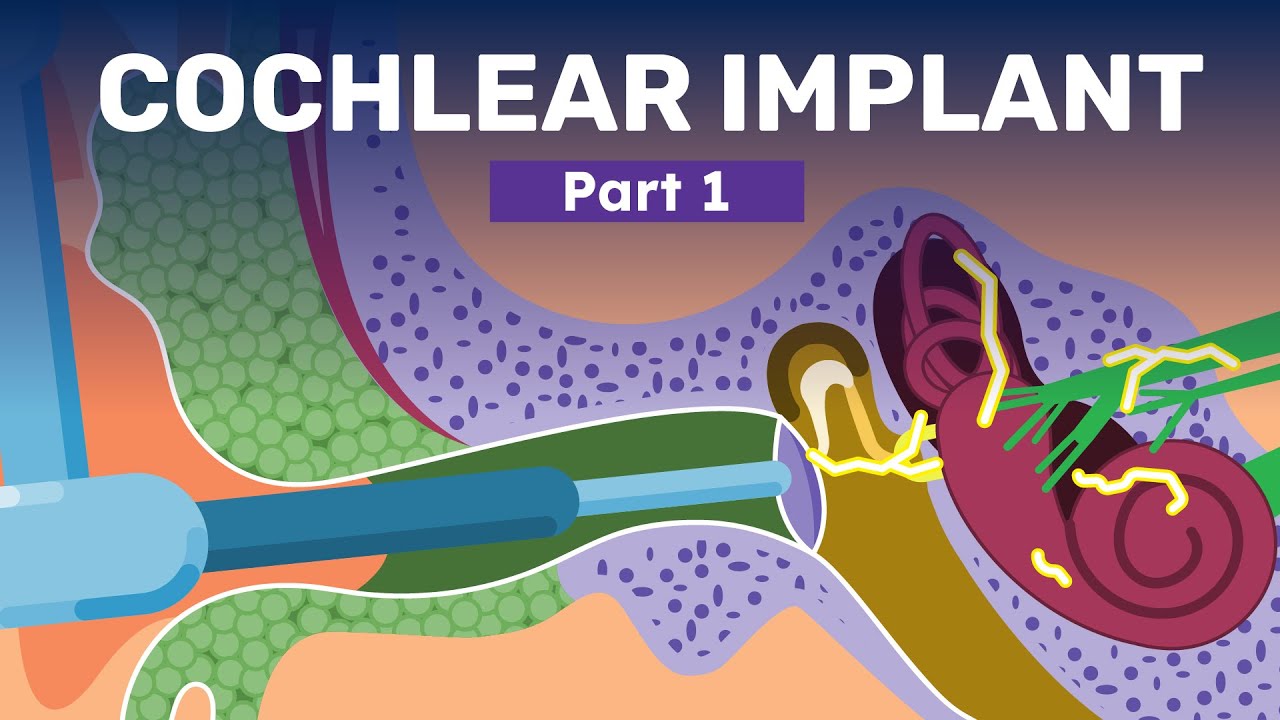
- 😀 Cochlear implants are recommended for people with severe or profound hearing loss and require surgery to place the device directly in the cochlea.
- 😀 Cochlear implants provide electrical stimulation that enables the perception of sounds, speech, and environmental noises.
- 😀 The presentation emphasizes the importance of consulting a doctor for detailed information about hearing aids and cochlear implants.
- 😀 A personal example is shared about a 15-year-old boy who is deaf, grateful to use a hearing aid, and is able to enjoy hearing hymns during religious services.
Q & A
What is the primary purpose of hearing aids?
-The primary purpose of hearing aids is to help people with mild to moderate hearing loss by amplifying sounds, making it easier for them to hear ambient noises, conversations, and speech from others.
Who invented the first hearing aid, and what was their contribution?
-Alexander Graham Bell is credited with inventing the first hearing aid. He used technology to create a device that helped people with hearing loss by amplifying sounds.
What are the main differences between a hearing aid and a cochlear implant?
-A hearing aid amplifies sound for people with mild to moderate hearing loss, while a cochlear implant is used for people with profound or severe hearing loss. Cochlear implants require surgery to implant a device directly into the cochlea, stimulating it electrically to help with sound perception.
What is the recommended procedure for individuals who might benefit from a cochlear implant?
-The recommended procedure for individuals who may benefit from a cochlear implant is to undergo a surgical operation where the device is implanted directly into the cochlea, which then stimulates the auditory nerve with electrical signals.
What types of hearing aids exist, and how do they differ?
-There are various types and models of hearing aids, each with unique features and functionalities. These differences primarily involve the design, size, and the method by which the sound is amplified or processed.
What is the significance of the testimony shared in the video about a person using a hearing aid?
-The testimony shared in the video highlights the positive impact of hearing aids on individuals with hearing loss. The speaker's cousin, who was born deaf, expressed gratitude for being able to hear hymns in church, showing how hearing aids can improve the quality of life for people with hearing impairments.
What kind of hearing loss is a cochlear implant suitable for?
-Cochlear implants are suitable for individuals with profound or severe hearing loss, where other hearing devices, like hearing aids, may not be effective.
What is the role of a medical professional in the process of getting a cochlear implant?
-A medical professional plays a crucial role in evaluating the need for a cochlear implant, performing the necessary surgical procedure to implant the device, and providing ongoing care and monitoring of the device’s effectiveness.
Why is it important to consult with a doctor before getting a cochlear implant?
-It is important to consult with a doctor because they can assess the severity of hearing loss, determine if a cochlear implant is suitable, and ensure that the surgery and post-surgery care are done correctly to maximize the effectiveness of the implant.
How does a cochlear implant work to help individuals hear?
-A cochlear implant works by directly stimulating the cochlea with electrical signals, which are then interpreted by the brain as sound. This allows individuals with severe hearing loss to hear sounds and speech in their environment.
Outlines

此内容仅限付费用户访问。 请升级后访问。
立即升级Mindmap

此内容仅限付费用户访问。 请升级后访问。
立即升级Keywords

此内容仅限付费用户访问。 请升级后访问。
立即升级Highlights

此内容仅限付费用户访问。 请升级后访问。
立即升级Transcripts

此内容仅限付费用户访问。 请升级后访问。
立即升级浏览更多相关视频

Cochlear Implant Regret: Why I Waited 10 Years (And Shouldn't Have)

Life between hearing and deafness | DW Documentary
What is A Cochlear Implant? | How Hearing Aids and Implants Help Recover Hearing Loss

Charles Limb: Building the musical muscle

What a Cochlear Implant Actually Sounds Like

Aula 2 - Libras - Mitos sobre o surdo, a surdez e a língua de sinais [PARTE 2]
5.0 / 5 (0 votes)

